

 English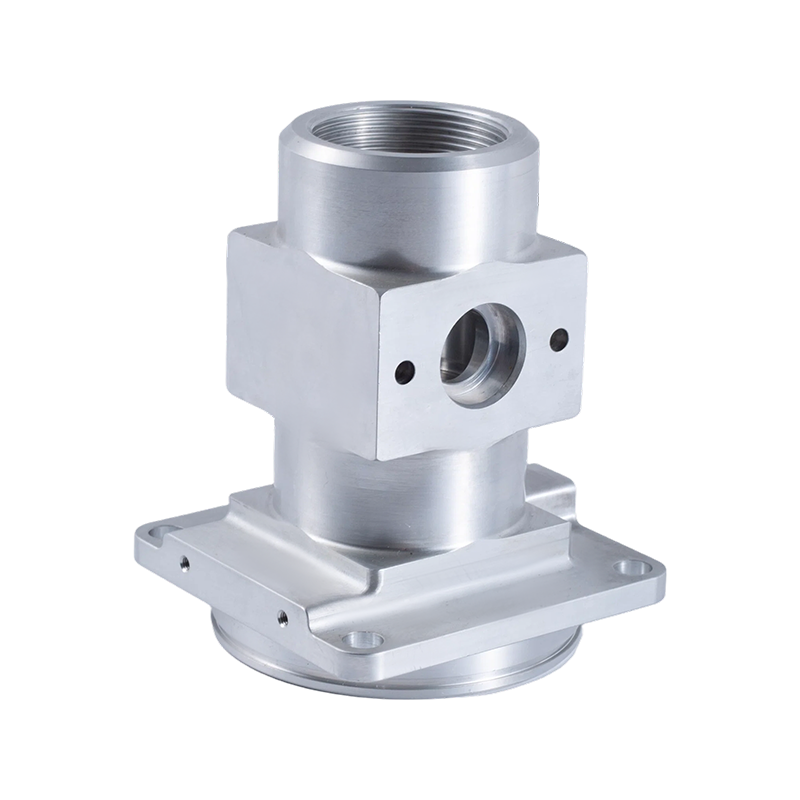
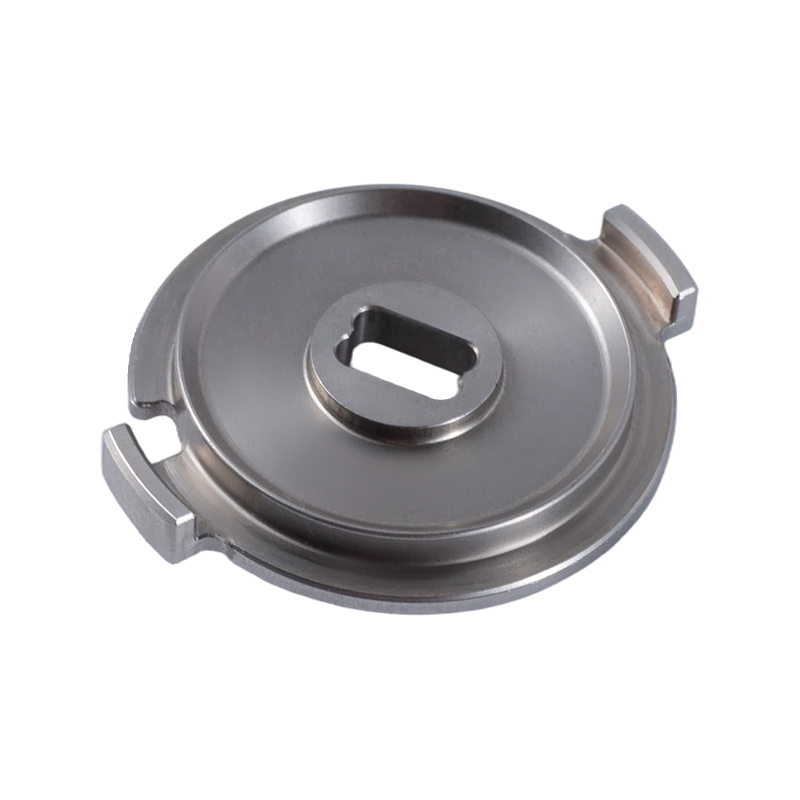
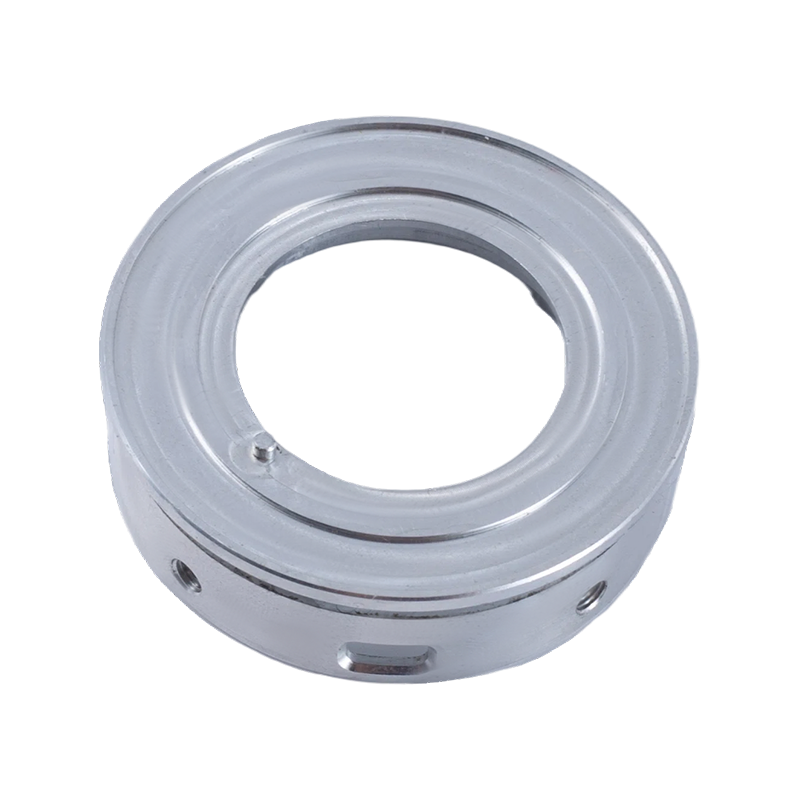


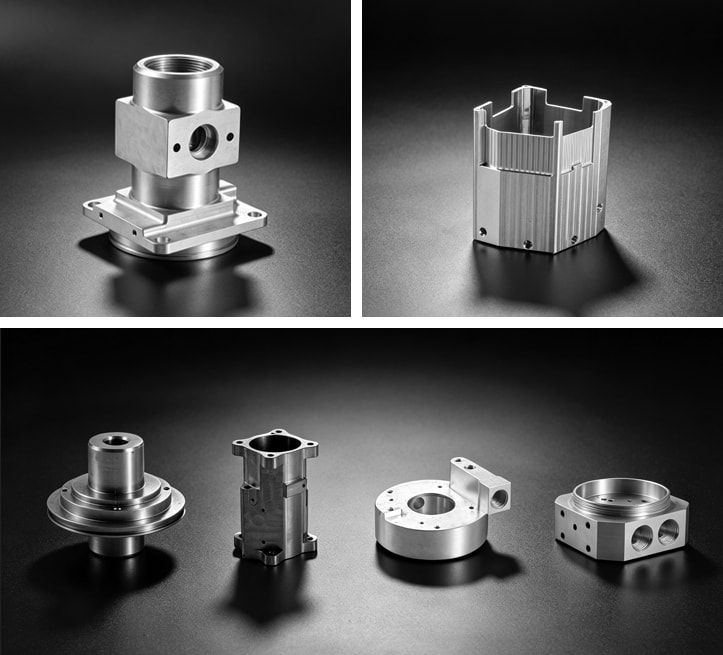
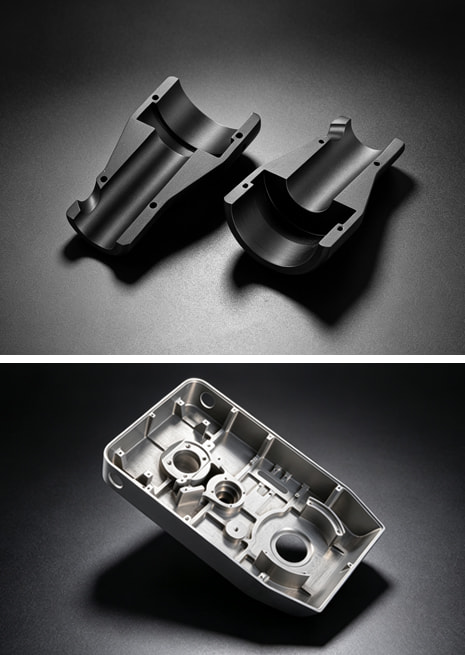
Precision CNC Machining Products for Engineered Applications
Suzhou Miaocheng Precision Machinery Co., Ltd. is a Products manufacturer and machining supplier focused on precision component processing and module assembly. Based in Suzhou, China, we have supported engineering teams since 2012 with a facility that combines CNC turning, CNC milling, precision grinding, inspection and assembly under one roof.
Our product range is divided into four families: CNC Turning Parts, CNC Milling Parts, Custom CNC Machining and Industry CNC Components. Each family addresses a different combination of geometry, tolerance, volume and application risk, so the right starting point depends on how the part is shaped and how it will be used.
What This Product Range Covers
The Products line covers machined components made from customer drawings, 3D models or sample parts. It is structured so that each subcategory leads to the correct process plan and quality level.
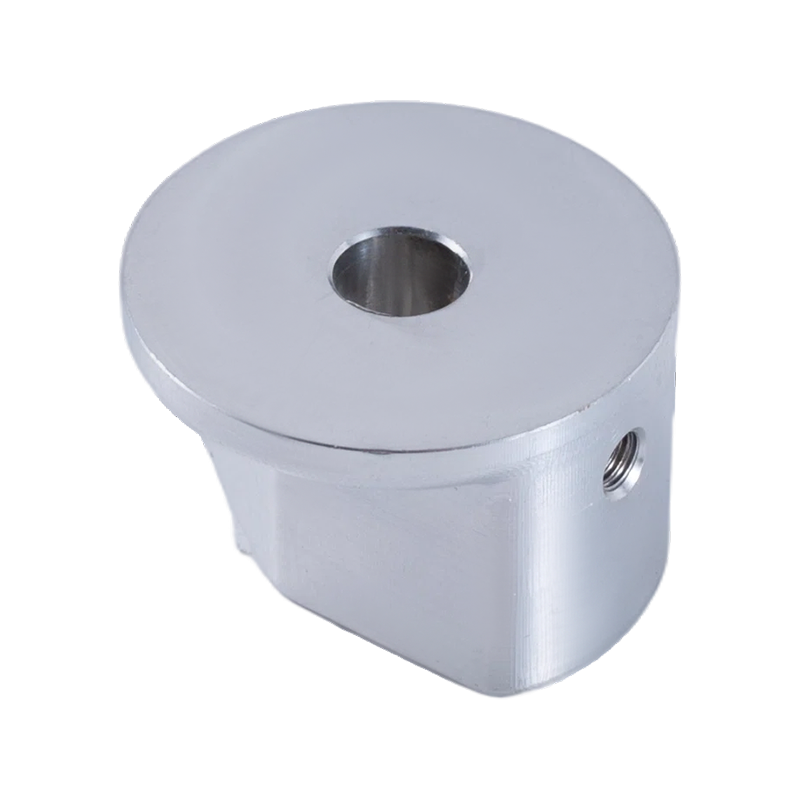
- CNC Turning Parts: Precision Shaft Parts, Bushings & Sleeves, Threaded Joints & Connectors, Micro Precision Turned Parts and Valve & Fluid Control Turned Parts. These are rotational components where diameter control, roundness, concentricity and surface finish are the main challenges.
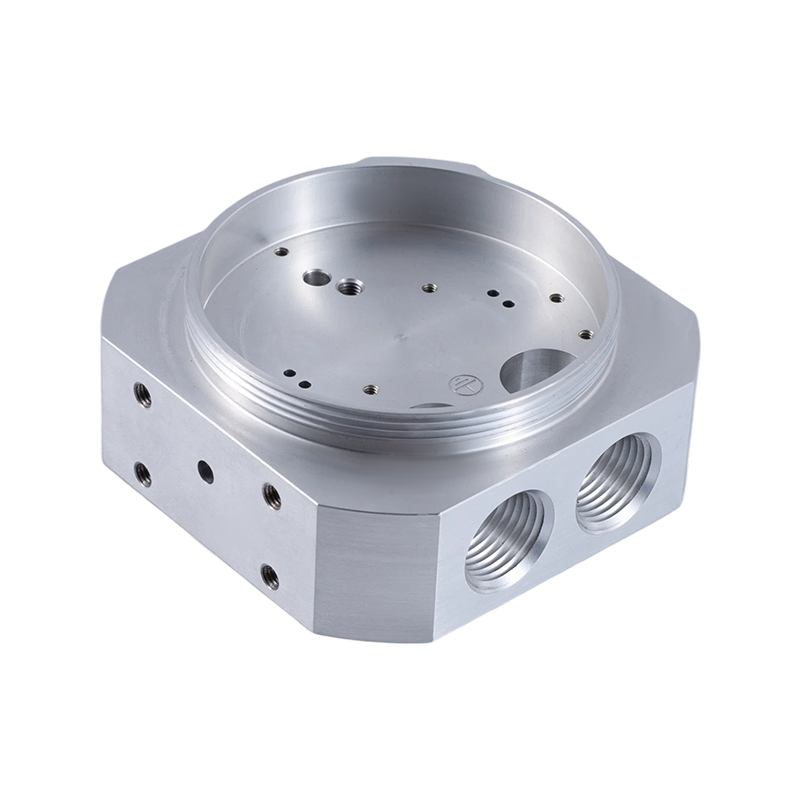
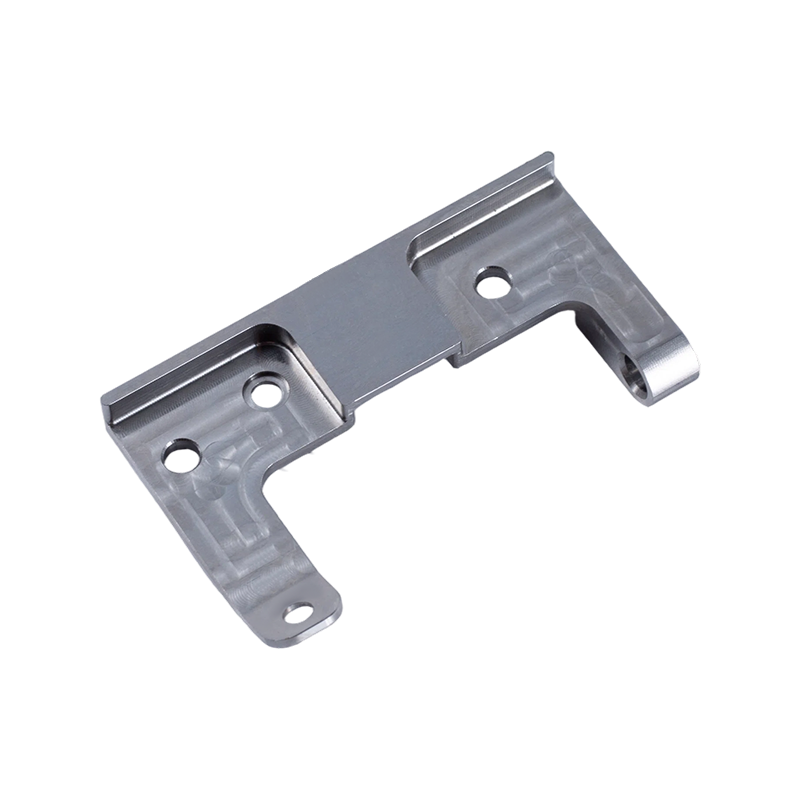
- CNC Milling Parts: Precision Housings & Enclosures, Brackets & Mounting Plates, Complex Multi-Hole Milled Parts, Transmission Gear Components and Tooling & Fixture Parts. These are prismatic parts where pocket geometry, hole patterns, datums and multi-sided machining matter most.
- Custom CNC Machining: Custom Machining from Drawings/Samples, Small-Batch Prototype Machining and Ultra-High Precision Tolerance Machining. This family is for non-standard parts that need process development rather than a catalog solution.
- Industry CNC Components: Precision parts for new energy vehicles, medical devices, aerospace, 5G and electronic communication, automation equipment, and hydraulic/pneumatic systems. These parts are defined by their operating environment and by the customer's performance requirements.
Matching the Product Family to Your Component Geometry
Use the table below as an initial filter. In practice, many components combine turning and milling features; the table shows the dominant process.
| Product Family | Typical Components | Best Fit When |
|---|---|---|
| CNC Turning Parts | Shafts, bushings, sleeves, threaded joints, micro turned parts, valve cores and valve seats | The part is cylindrical or rotationally symmetric and requires tight diameter control, threads, grooves or a good turned surface finish. |
| CNC Milling Parts | Enclosures, housings, brackets, multi-hole parts, transmission components, tooling and fixture parts | The part is prismatic, has pockets, slots or contours, or needs precise hole positions and datums across multiple faces. |
| Custom CNC Machining | Non-standard parts from drawings or samples, prototype runs, small batches and ultra-high precision parts | The design is still being developed, the quantity is low, or the drawing requires a specifically engineered process plan. |
| Industry CNC Components | Precision parts for NEV, medical, aerospace, 5G/electronics, automation, hydraulic and pneumatic systems | The component must meet application-specific material, reliability, fit or documentation requirements. |
Materials and Workpiece Considerations
Material selection usually comes from the customer's drawing. Across the Products range, we plan around the material groups that match the part function:
- Aluminum alloys for lightweight shafts, housings, brackets and bushings
- Stainless steels for corrosion-resistant shafts, medical components and fluid-control parts
- Brass and copper alloys for connectors, terminals and valve components
- Alloy steel and tool steel for transmission, tooling and fixture parts
- Engineering plastics for insulating, lightweight or low-friction components
The specified material affects cutting strategy, tool selection and achievable tolerance. When a drawing does not name a material, we work from the application to propose a practical option before quoting.
Specifications That Influence Machining and Cost
The risk in a precision machined part usually concentrates in a few features. During the engineering review we look for:
- Concentricity and runout between turned diameters
- Thread class, thread length and sealing requirements
- Datum structure and positional tolerances on multi-hole patterns
- Surface finish on bearing journals, sealing faces and sliding surfaces
- Thin-wall sections that can distort during clamping or cutting
- Length-to-diameter ratio for shafts and deep bores
- Small feature sizes that may require micro-machining or specialized tooling
- Batch size and repeatability expectations, because they affect workholding and inspection planning
These factors are evaluated together. A part can be easy to turn but difficult to hold, or simple to mill but expensive to inspect.
Production Capability and Quality Assurance
Our Suzhou plant covers more than 2,000 square meters and is equipped with dozens of high-precision 3-axis, 4-axis and 5-axis CNC machining centers, supported by eight precision grinding machines. This lets us keep turning, milling and finishing under one roof and gives us flexibility to handle prototype work alongside series production.
The team includes more than 50 employees, with 15 core technical personnel and 8 quality-control staff. Quality is managed through a full-process inspection loop: raw material verification, in-process inspection and final outgoing inspection. The QC department uses three coordinate measuring machines, precision height gauges and video measuring machines, and the company operates under ISO 9001:2015.
Custom Machining, Prototypes and Assembly Support
Many projects begin before a drawing is finalized. Our Custom Machining from Drawings/Samples path is intended for components defined by a 3D model, a sample part or a preliminary sketch. Small-Batch Prototype Machining covers development and pre-series quantities, while Ultra-High Precision Tolerance Machining is used when the application demands very tight dimensional control.
Beyond individual parts, we support module assembly. This is useful when machined components must be delivered as assembled units with mating fits confirmed before they reach your line.
Information We Use to Configure Your Solution
To prepare a clear quotation and a realistic process plan, our engineers need the following project inputs:
- 2D drawing with GD&T, or a 3D model for review
- Material grade and condition, or a defined application requirement
- Estimated quantity and target schedule
- Critical dimensions, tolerances and surface-finish requirements
- Thread, coating/plating or assembly requirements
- Inspection or material-certification expectations
- Prototype, first-article or pre-production requirements
Frequently Asked Questions
What is the difference between your CNC Turning Parts and CNC Milling Parts?
Turning is normally the better fit for cylindrical components such as shafts, bushings, sleeves, threaded joints and valve cores, where diameter control and roundness dominate. Milling is normally the better fit for housings, brackets, enclosures and multi-hole components, where pocket geometry, datums and positional tolerances dominate. Some parts require both processes.
Can you produce parts from a sample without a formal 2D drawing?
Yes. Our Custom Machining from Drawings/Samples path is set up for parts defined by a sample, 3D model or preliminary sketch. We use the available data to define critical dimensions and confirm the process plan before production.
Do you support prototype and small-batch production?
Yes. Small-Batch Prototype Machining is part of our Custom CNC Machining family. It is suitable for design validation, pre-series orders and low-volume production where a full mass-production process is not yet justified.
How do you verify quality before shipment?
Quality is verified through the full-process inspection system: material verification at intake, in-process checks during machining and final outgoing inspection. The QC department measures critical features with three CMMs, precision height gauges and video measuring machines, and the quality system is ISO 9001:2015 certified.
Which industries do your Industry CNC Components serve?
Industry CNC Components cover precision parts for new energy vehicles, medical devices, aerospace, 5G and electronic communication, automation equipment, and hydraulic/pneumatic systems. The same machining base also supports customers in photovoltaic energy, semiconductors, food machinery and environmental protection equipment.



