

 English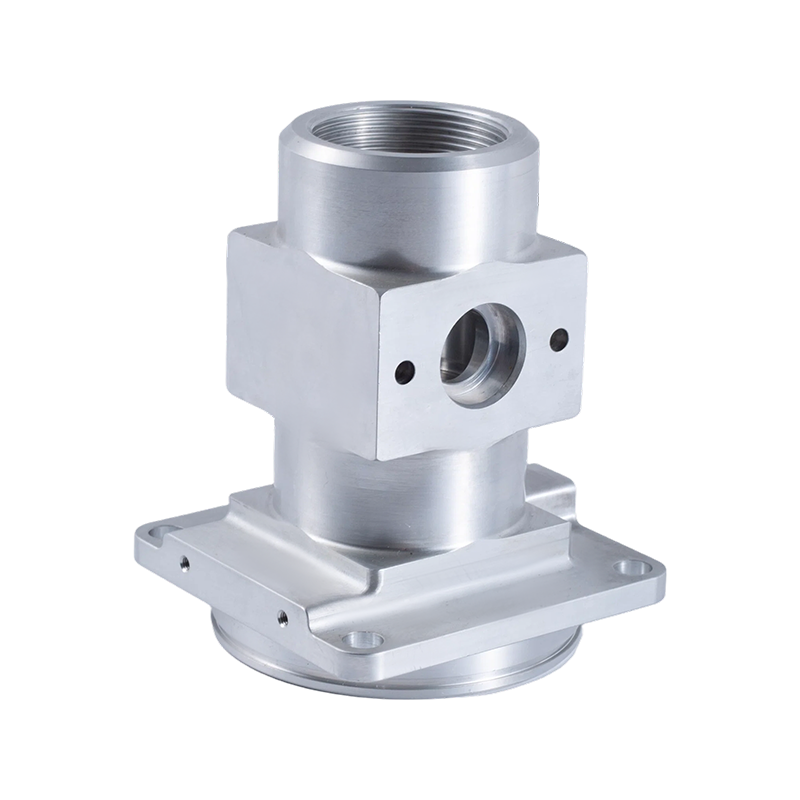
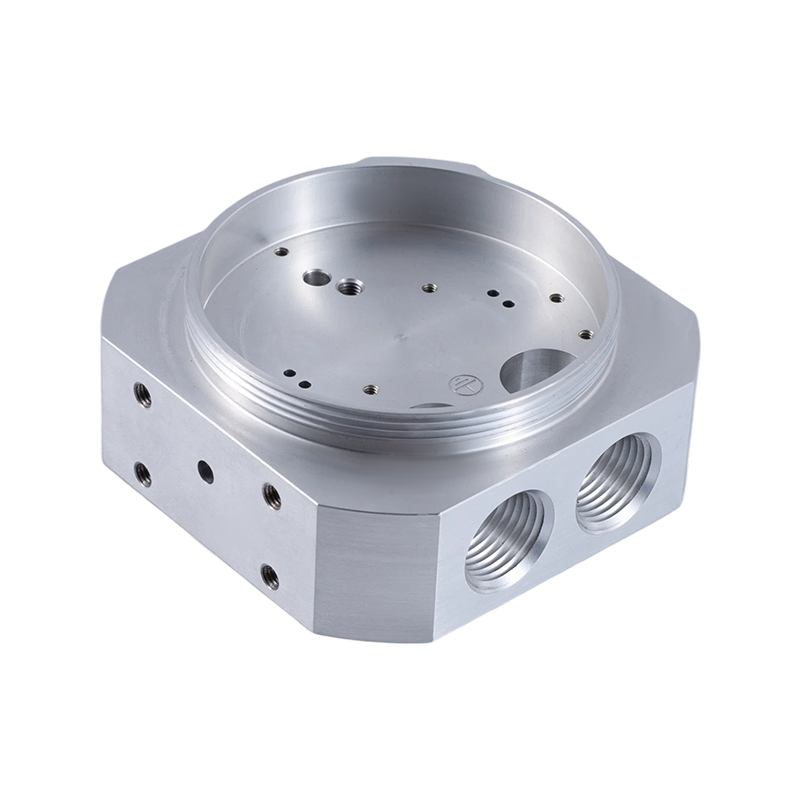
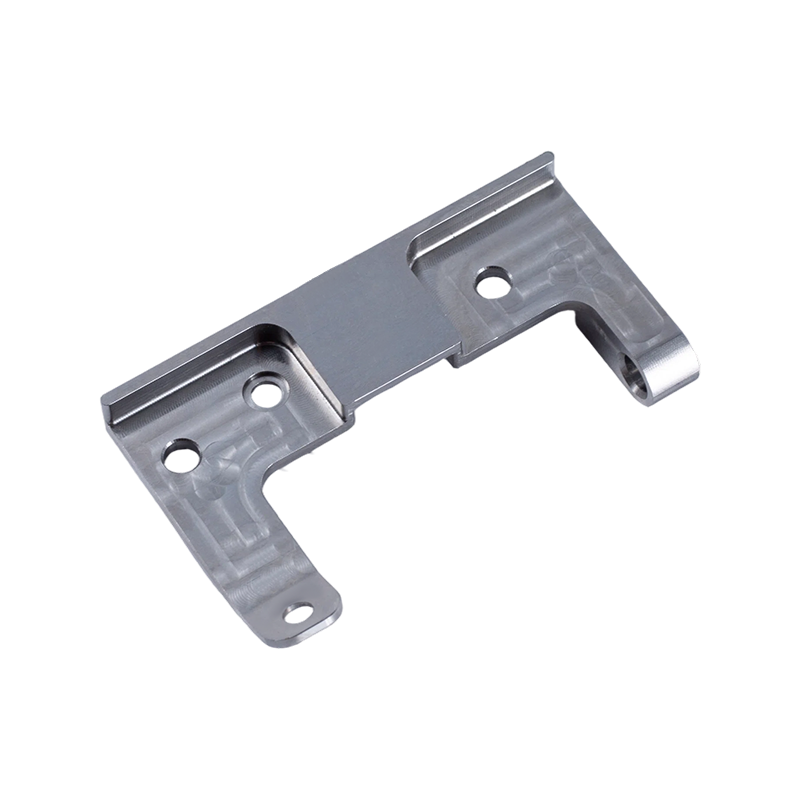
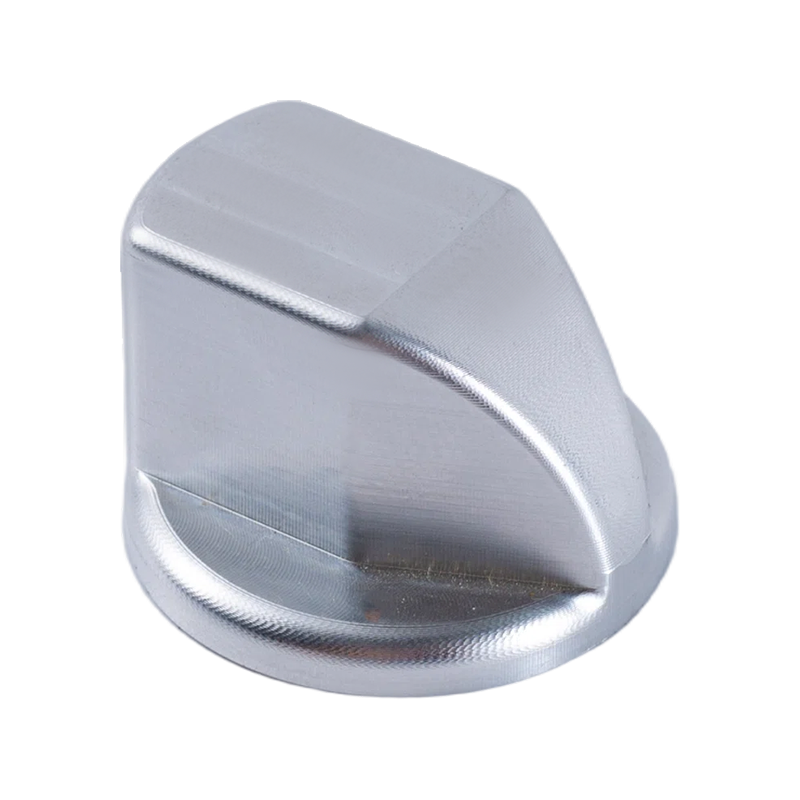
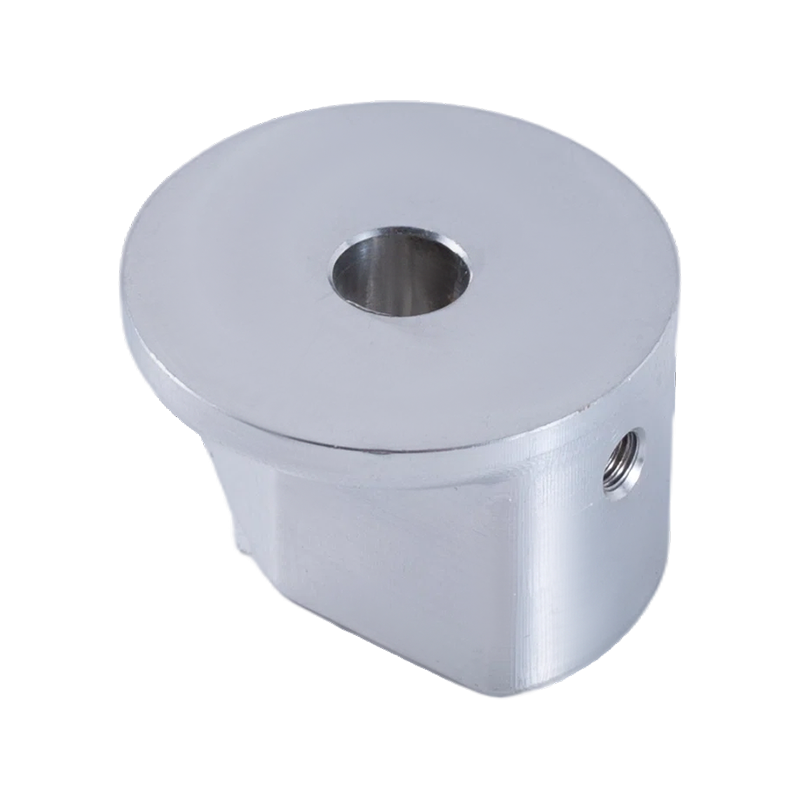
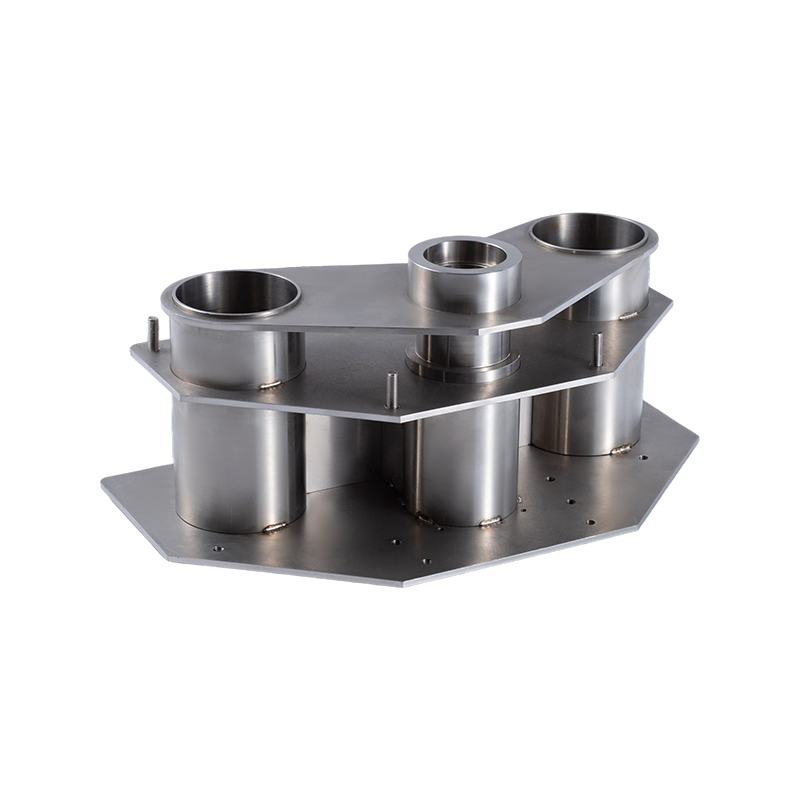
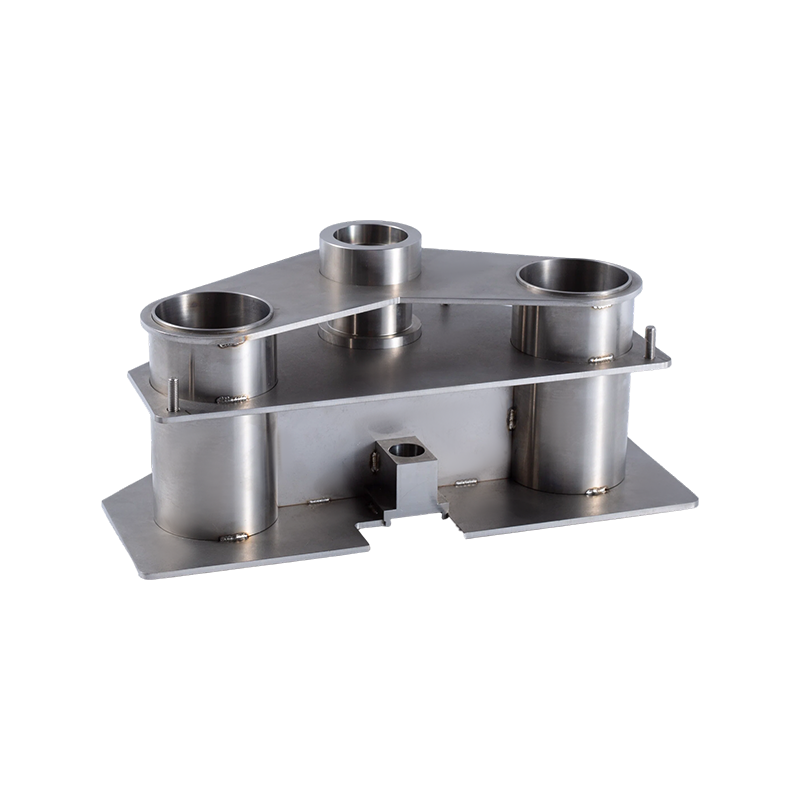
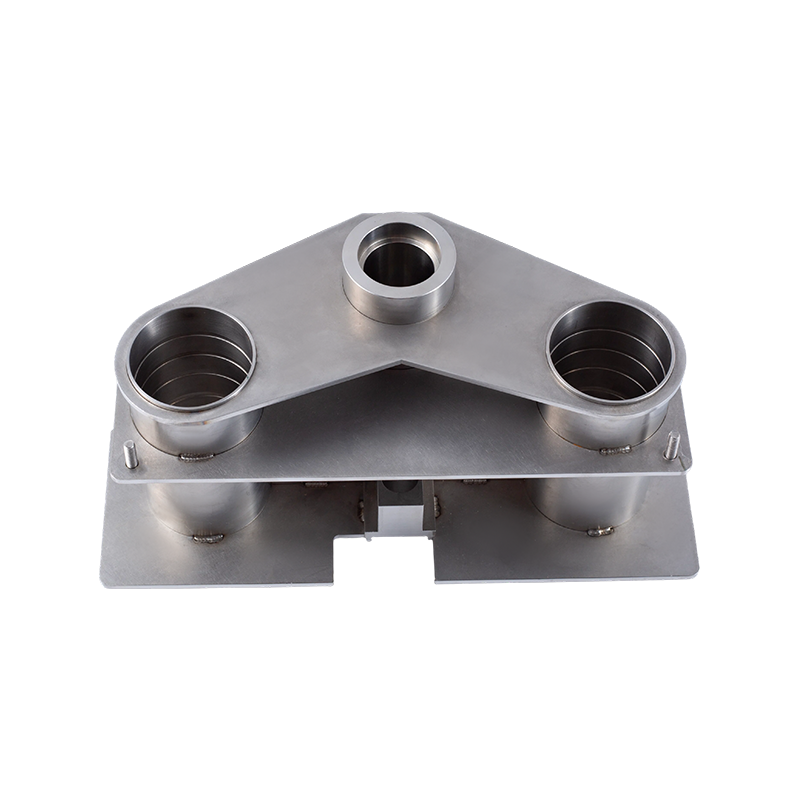
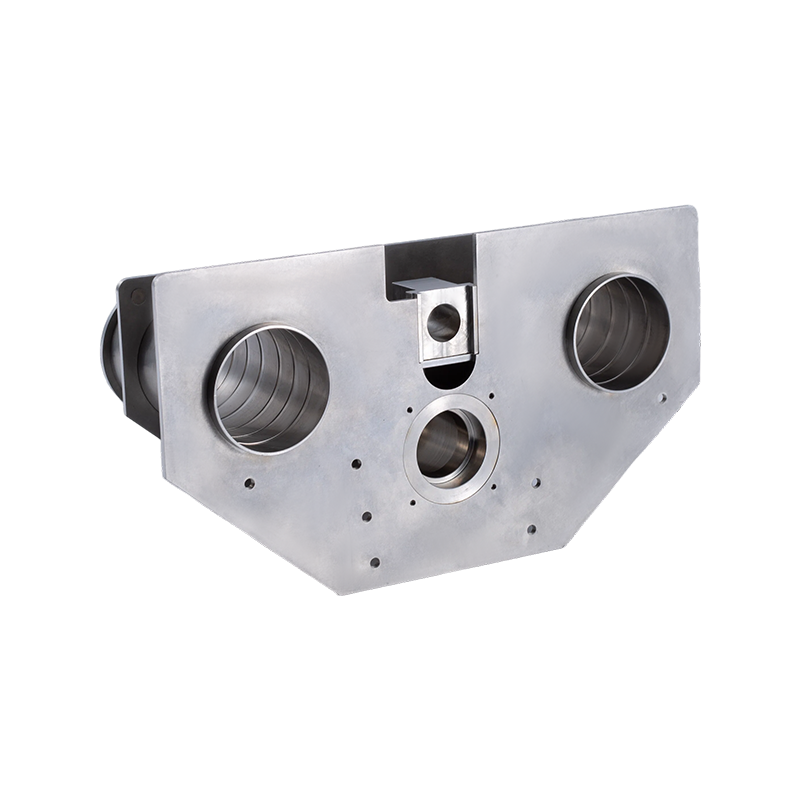
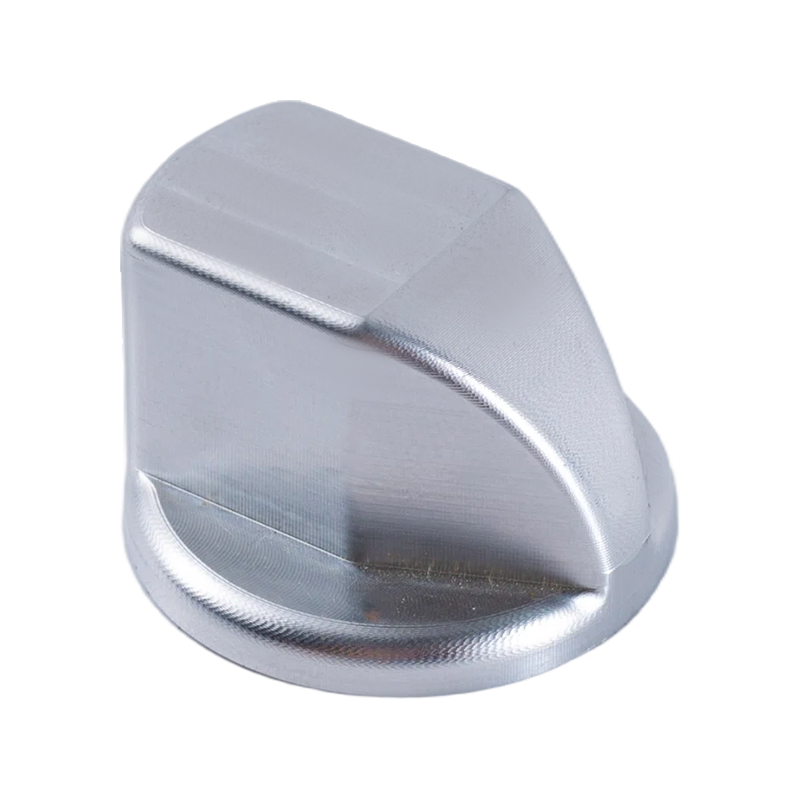
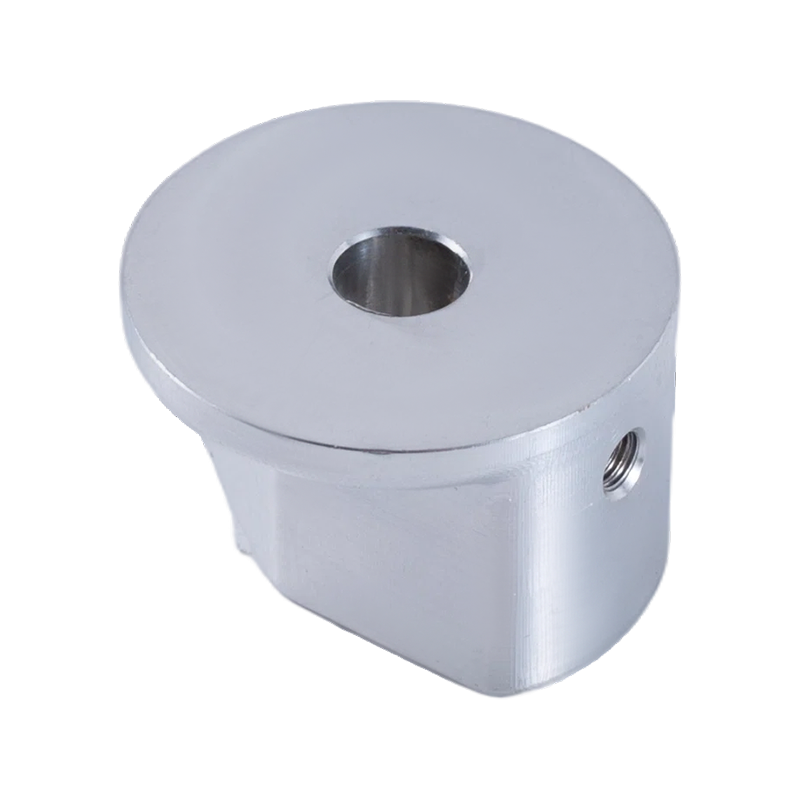


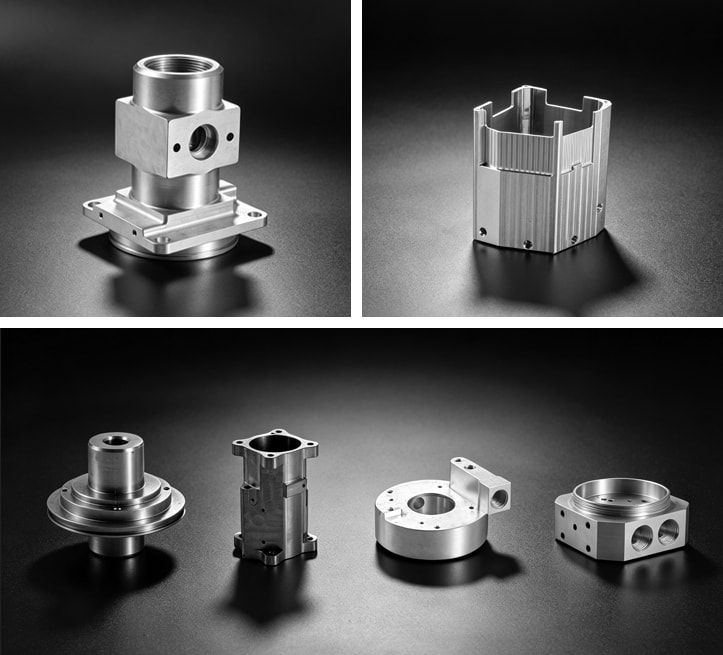
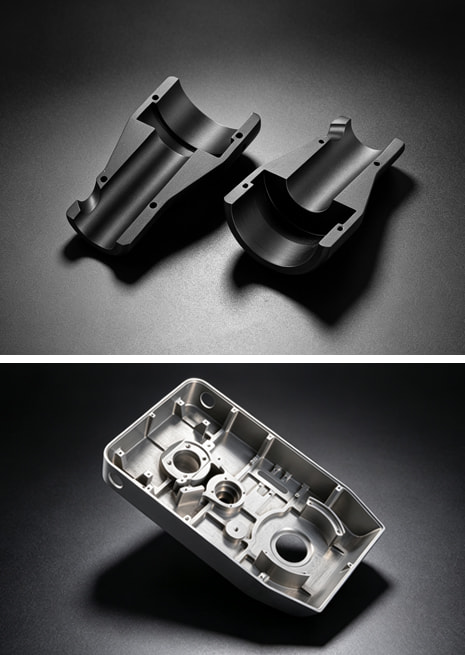
Custom CNC Machining is our core response for non-standard components that cannot be sourced from a standard catalog. As a Custom CNC Machining manufacturer in Suzhou, China, we produce parts from your drawing, CAD model or physical sample by combining CNC turning, CNC milling, grinding and inspection under one roof. The factory has served medical equipment, photovoltaic new energy, automotive components, aerospace, semiconductor, food machinery and environmental protection equipment since 2012.
As a China Custom CNC Machining supplier, we are not tied to one process family. Our 23 CNC machining units include 3-axis, 4-axis and 5-axis machining centers, with 8 precision grinding machines and 3 CMM inspection stations. This setup lets us take a component from roughing to finishing and, where required, assemble it into a module before delivery.
What We Supply in This Category
The Custom CNC Machining category is structured around three service lines. Each one addresses a different stage of product development, from initial definition to tight-tolerance production.
| Service Line | Project Input | Typical Use |
|---|---|---|
| Custom Machining from Drawings/Samples | 2D drawing, 3D model, or physical sample | Non-standard parts, legacy replacement parts, design updates |
| Small-Batch Prototype Machining | Part geometry, target quantity and development stage | Design validation, assembly trials, pre-production testing |
| Ultra-High Precision Tolerance Machining | Tight dimensional or geometric requirements | Applications where fit, alignment and repeatability are critical |
These lines are not isolated. A single custom part can start as a prototype, be machined from a sample, and then move into a controlled process for higher precision. We treat the whole path as one project.
Part Geometry and Process Fit
Custom CNC machining is not limited to one axis count or one machining method. The right process is decided by the features on your part, not by a fixed product line.
- Rotational components including shafts, bushings, sleeves, threaded joints and connectors.
- Prismatic parts such as housings, enclosures, brackets, mounting plates and multi-hole milled parts.
- Combined geometries that require turning and milling in the same project, such as a rotating body with flats, cross holes, slots or threads.
- High-difficulty contours and compound surfaces that need 4-axis or 5-axis machining.
Our machining range covers both turning-dominant and milling-dominant work. For a custom job, we plan the sequence around the critical dimensions and the datum structure in your drawing rather than starting from a default operation.
Materials, Tolerances and Manufacturability
Most custom projects start with a specified material. The material is usually dictated by the application: corrosion resistance, conductivity, strength-to-weight ratio or high-temperature performance. Because this category is built for non-standard components, we also handle cases where the material has been selected for service conditions rather than for ease of machining.
Before quoting, we assess features that directly affect manufacturability and cost:
- Wall thickness and risk of deflection during machining.
- Internal corner radii and tool access.
- Hole depth-to-diameter ratio and positional tolerance.
- Thread location, thread class and assembly requirements.
- Datum references, concentricity and surface finish requirements.
Raw material verification is part of our standard process. By checking material before cutting begins, we reduce the chance of dimensional drift or surface defects later in production.
Quality Control and Production Consistency
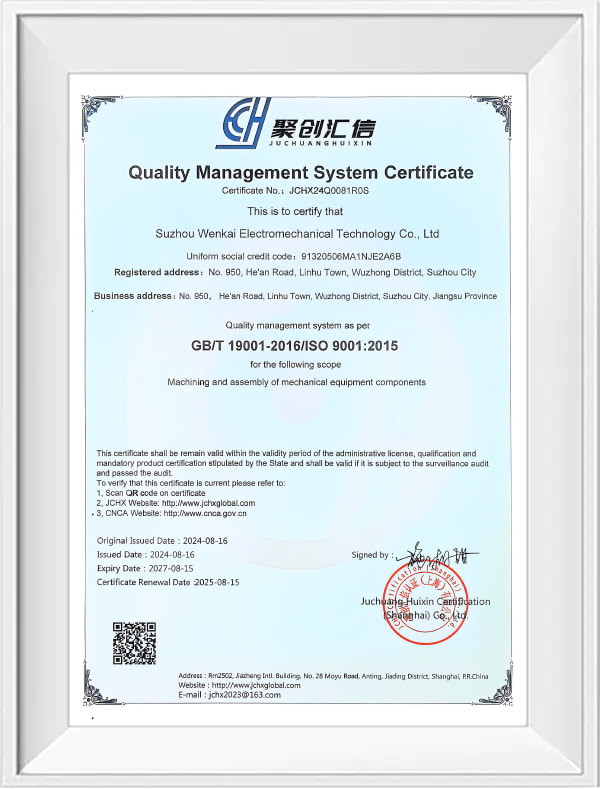
We are certified to ISO 9001:2015 and operate a full-process quality loop. Our quality control team of 8 specialists monitors parts from raw material verification and in-process production through final outgoing inspection. The inspection department is equipped with 3 CMM units, precision height gauges and video measuring machines.
For batch work, we define the CNC program, fixture strategy and inspection points before the first part is machined. This keeps repeat orders on a stable process and makes the final result consistent with the approved sample or drawing.
Information We Use to Configure Your Solution
Send us as much of the following as possible so we can assess feasibility and prepare a clear proposal:
- Drawing or 3D model - 2D PDFs and standard 3D formats both work; include the revision level if the design is still changing.
- Material specification - grade, hardness, coating or any special raw material requirement.
- Critical tolerances - dimensions, geometric tolerances and surface finish that affect function or assembly.
- Quantities - prototype quantity, target batch size and estimated annual demand.
- Secondary scope - any required assembly, marking, passivation, anodizing or other post-machining work.
If only a physical sample is available, that is also acceptable. We begin by confirming the material and reference surfaces, then define a measurement and machining plan from the sample.
One-Stop Custom Machining and Assembly
Beyond precision component processing, we provide module assembly. For custom projects, this means machining, verification, subassembly and final delivery can be coordinated from one factory. Our technical R&D and quality assurance teams work together on drawing interpretation, fixture planning, process selection and final inspection.
Frequently Asked Questions
Can you machine a part from a physical sample if we do not have a drawing?
Yes. Custom Machining from Drawings/Samples covers both definition routes. With a sample, our first step is to confirm material and reference surfaces, then decide which features can be measured directly and which require CAD reconstruction. We use that information to prepare a process plan before quoting or machining.
What order quantities fit Custom CNC Machining?
Custom machining is drawing-driven rather than volume-driven. We support single-piece prototypes through small-batch production. Small-Batch Prototype Machining is intended for parts that are still being validated; as volume grows, we can shift production to the appropriate CNC turning or CNC milling workstream while keeping the same quality documentation.
What types of parts are commonly produced in this category?
Typical examples include housings, brackets, mounting plates, multi-hole parts, shafts, bushings, sleeves, threaded joints and complex non-standard structural components. The common denominator is that the geometry is defined by your drawing, model or sample rather than by a standard product range.
How do you control precision in ultra-high tolerance work?
Precision is controlled at the machining and inspection stages. We select 3-axis, 4-axis or 5-axis equipment according to feature complexity, and use grinding when the dimensional or surface requirement exceeds turning and milling capability. On the inspection side, 3 CMMs, precision height gauges and video measuring machines verify critical dimensions. Every job is checked from incoming material to final outgoing.
Do you provide module assembly for custom-machined components?
Yes. In addition to precision component processing, we provide module assembly. This allows us to machine the components, inspect them, assemble the module and deliver in a more complete condition. It is especially useful when the relationship between multiple components affects final system performance.



