

 English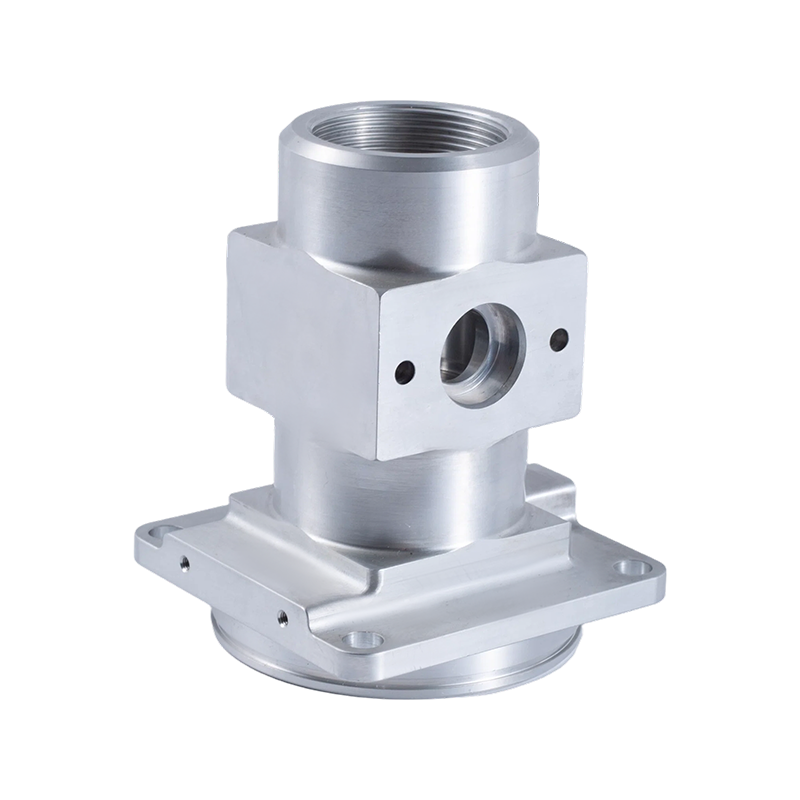


5G Electronic & Communication Components Manufacturer
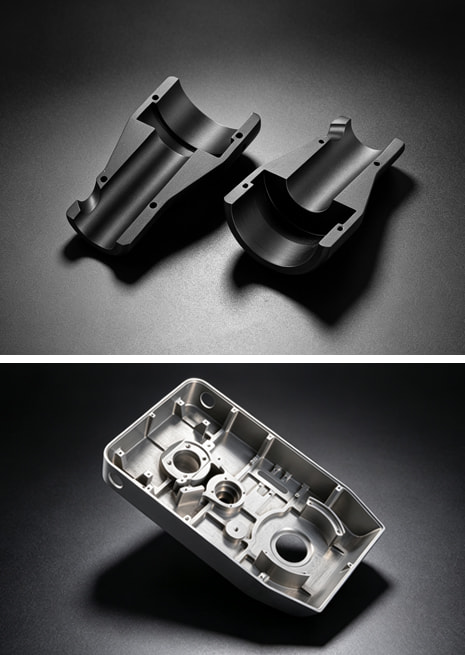
Suzhou Miaocheng Precision Machinery Co., Ltd. is a China-based 5G Electronic & Communication Components manufacturer and supplier, established in 2012 in Wuzhong District, Suzhou. We produce precision-machined metal components and subassemblies for base stations, small cells, remote radio units, antennas, switches, routers and related communication hardware. Our role is to convert your engineering drawings into parts that hold their electrical, mechanical and environmental performance across production runs.
Product Scope and Application Fit
5G and communication equipment places unusual demands on machined parts: dimensional accuracy must be repeatable at volume, material choice must support RF and thermal behavior, and features such as tapped holes, pressed-fit bores, grounding surfaces and sealing faces must remain consistent. This category is not a standard catalogue; we produce non-standard precision components according to your geometry, material and tolerance requirements.
- RF and microwave system parts, including cavity and filter bodies, adapter housings, waveguide flanges and connector shells.
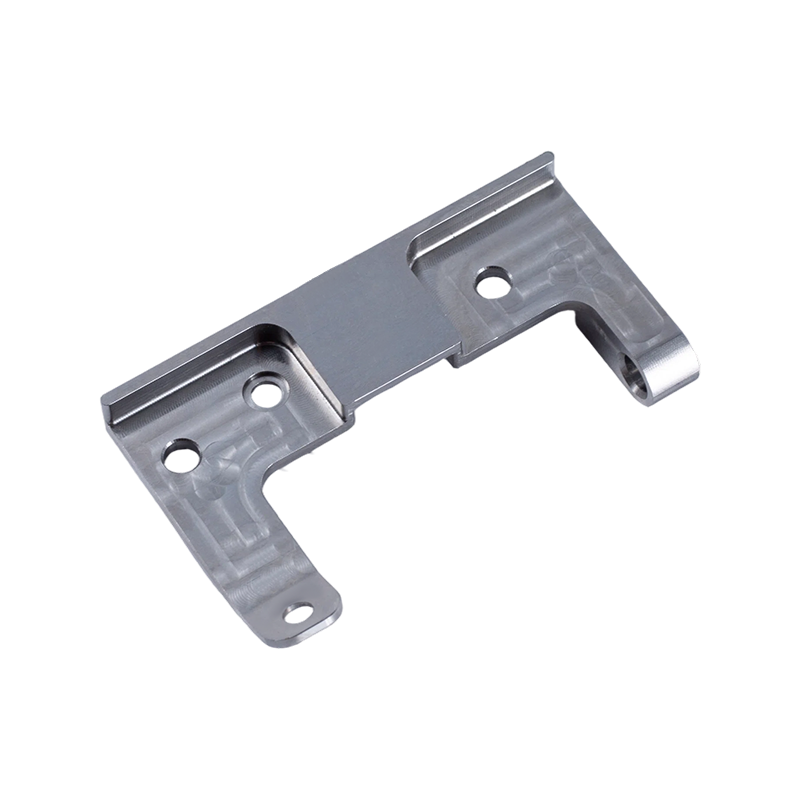
- Antenna and mounting hardware such as brackets, alignment plates, clamp blocks, feed horn supports and structural mounts.
- Thermal management parts, including heat sinks, heat spreaders, cold plates and mounting surfaces for power amplifiers.
- Mechanical precision parts such as shafts, pins, sleeves, threaded joints and locators used in tuning, connection and assembly mechanisms.
Typical Component Types, Machining Routes and Specification Focus
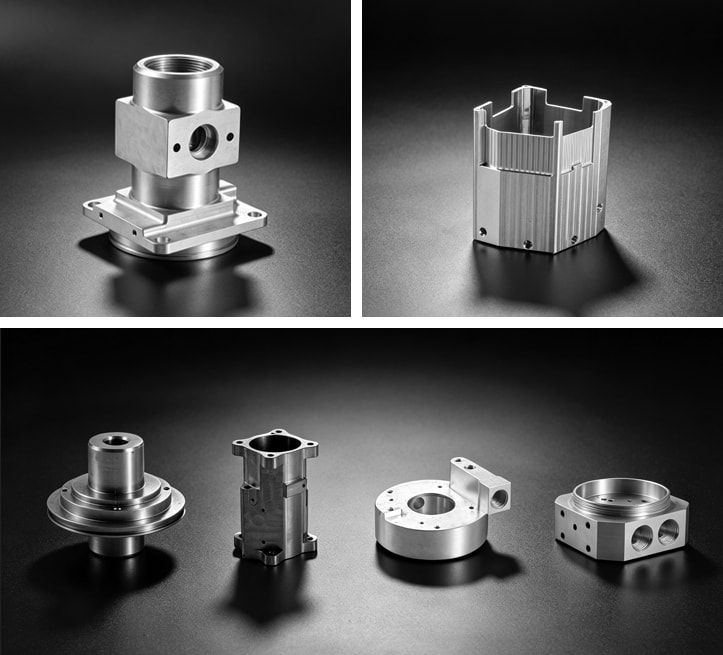
The most practical way to match this category to a project is to identify the component family, its function in the communication system and the machining route that best preserves the required geometry. The table below reflects the range we work with across our CNC turning and CNC milling capabilities.
| Component family | Typical role | Primary machining route | Key specification focus |
|---|---|---|---|
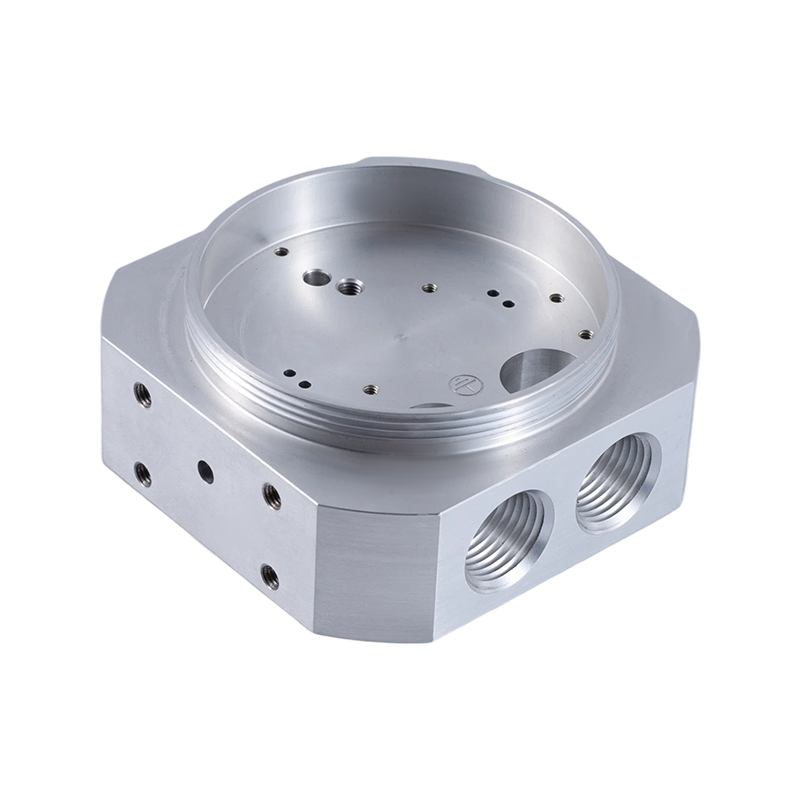
| Precision housings and enclosures | RF modules, optical transceivers, baseband units | 4-axis and 5-axis CNC milling | Wall thickness, hole position, flatness, sealing faces |
| Mounting brackets and plates | Antenna mounts, equipment frames, alignment hardware | CNC milling with precision hole patterns | Positional tolerance, tapped hole quality, datum control |
| Connector bodies and threaded joints | RF and power interconnects, cable assemblies | CNC turning, threading and milling | Thread fit, concentricity, surface finish, burr control |
| Shafts, pins and alignment sleeves | Mechanical tuning, positioning, assembly alignment | CNC turning and precision grinding | Diameter tolerance, cylindricity, concentricity, hardness |
| Heat sinks and thermal parts | Thermal management for power amplifiers and base station electronics | CNC milling and finishing | Flatness, surface finish, fin geometry, material conductivity |
Materials and Manufacturing Considerations
Material choice is a drawing-level decision. In communication components, material affects dielectric behavior, electrical conductivity, thermal expansion, weight and corrosion resistance. We assess machinability, chip control, wall stability and finishing sequence around the specified material when preparing a proposal.
- Aluminum alloys are commonly used for housings, brackets and thermal parts where weight, thermal conduction and machining speed matter.
- Copper and copper alloys appear in RF contact surfaces, connector shells and current-carrying components.
- Stainless steel is specified for structural hardware, fasteners and corrosion-resistant parts.
- Precision tolerances depend on the part geometry and drawing requirements; we confirm what is achievable during engineering review.
Machining Routes and Process Capability
We operate as an integrated precision machining factory with high-precision 3-axis, 4-axis and 5-axis CNC machining centers plus precision grinding machines. That allows multiple operations to be completed in-house, which helps preserve datum control on communication parts with features on several faces. Many 5G and communication components combine cylindrical, prismatic and threaded features, so the process plan must be chosen for the whole part rather than for an individual operation.
- CNC turning for cylindrical features, connector bodies, threaded joints and precision shafts.
- Multi-axis milling for housings, pockets, bosses, compound angles, hole patterns and mounting interfaces.
- Precision grinding for shafts, pins, bearing seats and tight-fit diameters.
- Module assembly when a part family must be delivered as an assembled unit. Many communication components combine features from our CNC Turning Parts and CNC Milling Parts categories.
Drawing-based machining is the starting point. We machine to your specified geometry, tolerance and finish rather than from a catalogue, and we confirm the process plan before production begins.
Quality and Process Control
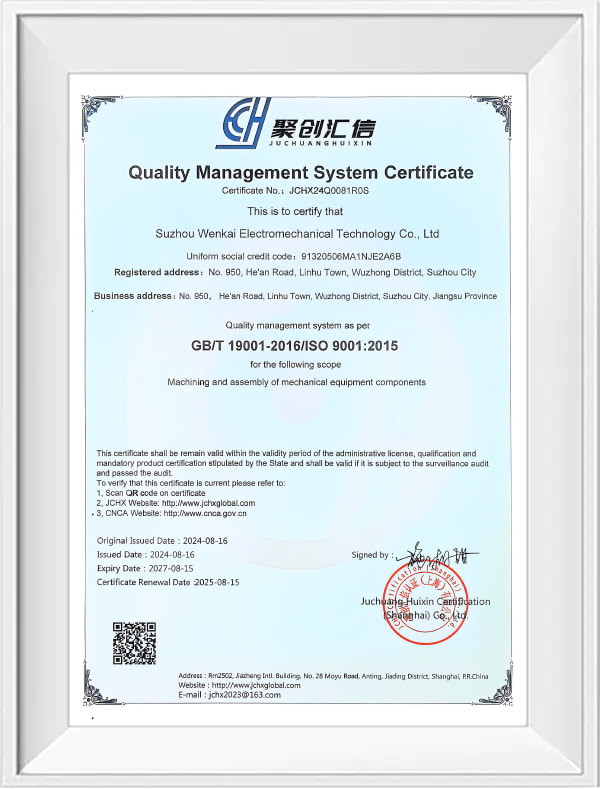
Quality control is built around full-process inspection rather than a final measurement only. We operate under ISO 9001:2015 and use three coordinate measuring machines, precision height gauges and video measuring machines to verify dimensional features. Incoming material verification, in-process checks and outgoing inspections follow the drawing requirements.
The same quality discipline supports medical equipment, photovoltaic energy, automotive, aerospace and semiconductor components. For communication hardware, we apply that experience to thin-wall stability, tapped hole quality, surface finish and control of burrs at intersecting holes.
Project Support, Prototype and Production Quantities
Communication hardware programs often start with a prototype or validation batch. Our Custom CNC Machining service covers drawing-based parts and sample-based reproduction, with production planning adapted to your project stage. We can move from single-piece validation to small-batch and larger delivery while keeping the same inspection discipline.
Because every part is project-specific, we do not apply a fixed catalogue. The quotation is based on geometry, material, tolerance, quantity and required inspection. When the project calls for assembled units, we can coordinate precision machining and module assembly within the same scope.
Information We Use to Configure Your Solution
To assess a 5G or communication component project and prepare a suitable proposal, we normally need the following information:
- 2D drawing in PDF or DWG with dimensions, tolerances, threads, surface finish and material callouts.
- 3D CAD model in STEP or IGES for geometry review, fixture planning and collision checking.
- Material grade and any specific raw material or heat-treatment requirements.
- Quantity requirement and delivery schedule.
- Special process needs such as surface treatment, marking, cleanliness levels, packaging or inspection reporting.
Frequently Asked Questions
Can you machine 5G communication components from our drawing?
Yes. We treat your drawing as the source of truth. Once geometry, material and tolerance are confirmed, our engineers select the machining route and inspection method suitable for the component.
What quality documentation can you provide with a communication component order?
Our quality system follows ISO 9001:2015. For machined parts we can provide dimensional inspection records based on CMM and precision measuring equipment; the exact documentation scope is agreed in the quotation.
Do you support both prototype and production quantities?
Yes. We accept single-piece drawing reviews through small-batch and larger production runs. Process planning, tooling selection and inspection frequency are adjusted to the quantity and stage of the program.
What information do you need to quote a 5G component?
A 2D drawing or 3D model, material specification, quantity and any special finish or inspection requirements. If only a sample exists, contact us to discuss sample-based machining.
Can you handle module assembly for communication components?
Yes. We provide precision component processing and module assembly, so when a part family must be delivered as an assembled unit, we can coordinate machining and assembly within the same project.



