English
An engineer emails a 3D model and three lines of text: 120 pieces, 6061-T6 aluminum, plus or minus 0.02 mm on two bearing bores, needed in three weeks. That request is too small to put on a production line and too large to be treated as a one-off sample. It is exactly the job a small batch CNC milling service is built to take.
The short version: small batch milling makes sense when the quantity clears the shop's setup cost, when the drawing carries only the tolerances the part actually needs, and when the shop can hold the same result on part 120 as it did on the first article. Miss on any one of those three and the run either costs more than it should or fails inspection at the end.
What follows covers the numbers behind a small batch quote, the technical risks that appear between 25 and 500 parts, and the checks worth running before a purchase order goes out.
Content
- 1 What Actually Counts as a Small Batch Run
- 2 Setup Cost, Not Spindle Speed, Drives the Quote
- 3 Tolerances Decide the Process Before the Shop Does
- 4 Fixturing Determines Whether Batch Two Matches Batch One
- 5 Material Choice Affects Availability as Much as Machinability
- 6 Where Small Batch Milling Earns Its Place
- 7 How to Vet a Small Batch CNC Milling Supplier
- 8 Documentation and Delivery: What to Agree Before Cutting Metal
What Actually Counts as a Small Batch Run
Quantity bands are a convention rather than a rule, but the economics shift at predictable points. Below about 10 parts, programming and setup dominate the invoice and every piece is treated individually. Between roughly 25 and 500 parts, setup is spread across enough pieces to matter, yet volumes are still too low to justify casting tooling or dedicated fixtures. Above 5,000 pieces, casting, forging, or extrusion takes over the blank and milling becomes a finishing step.
The awkward zone sits between 500 and 5,000 parts, where soft tooling starts to pay for itself but hard tooling still does not. Shops that quote that range honestly often suggest a hybrid: mill the first 300 from billet to validate the design, then move to a casting once the geometry is frozen.
| Run type | Typical quantity | Dominant cost | Inspection approach |
|---|---|---|---|
| Prototype | 1 to 10 | Programming and setup spread over very few parts | Dimensional report on every piece |
| Small batch | 25 to 500 | Fixture build plus per-part cycle time | First article approval, then sampling through the run |
| Mass production | 5,000 and up | Hard tooling and automation | Statistical process control and hard gauges |
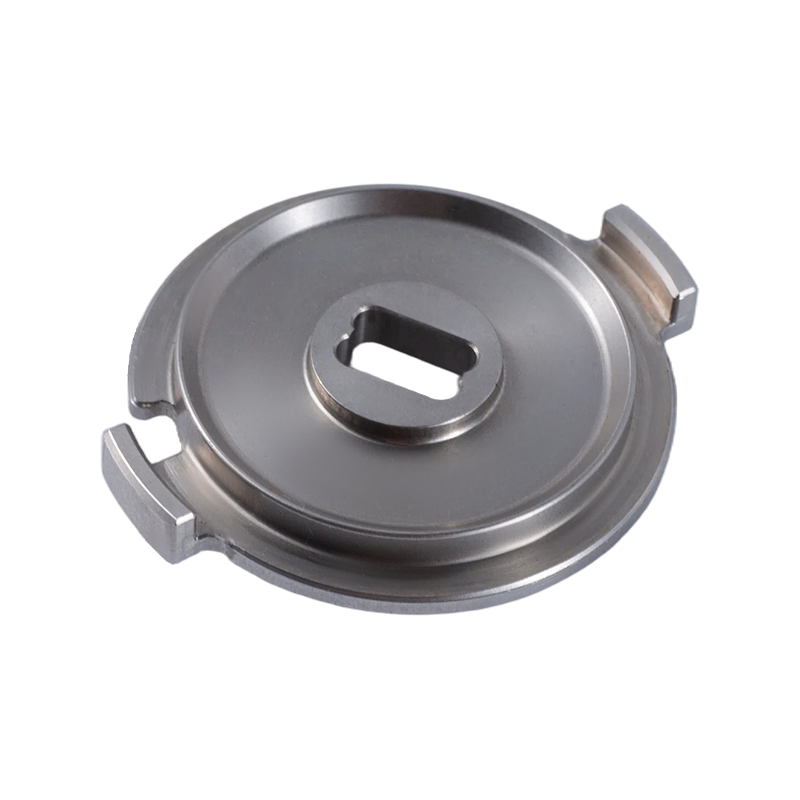
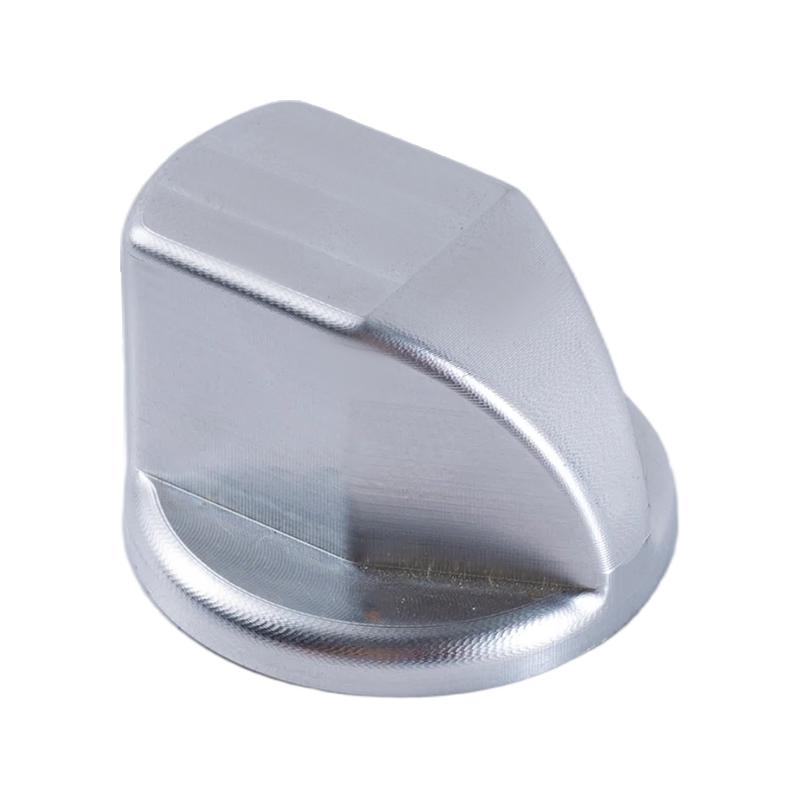 Small-Batch Prototype CNC Machining for Product DevelopmentCustom CNC service for low-volume prototyping, design verification, fit checks, and pilot runs; supports drawings, CAD files, or samples for pre-serial parts.View Product →
Setup Cost, Not Spindle Speed, Drives the Quote
Two identical parts can carry very different prices at the same quantity, and the reason is almost never cutting speed. For a 100-piece run, the fixed block of cost usually includes programming from the solid model, fixture design and build, first article inspection, material purchase, and finishing minimums charged by lot rather than by piece.
- Programming: often 2 to 8 hours depending on the number of setups and contoured surfaces
- Workholding: soft jaws machined in place, a custom plate, or a modular vise arrangement
- First article inspection against a ballooned drawing, before the balance of the run proceeds
- Material: minimum order quantities at the mill or distributor can exceed what the job needs
- Finishing: anodizing or passivation lines price by lot, so 30 parts cost nearly the same as 300
If that fixed block totals 20 hours of work and you order 20 parts, you are paying for an hour of preparation on every piece. Order 200 and the same block spreads to six minutes per part. That is why a quote for 200 pieces is rarely ten times the price of a quote for 20, and why raising the quantity is often the cheapest way to cut unit cost.
A practical takeaway before shopping for a lower hourly rate: check how many setups the part requires. Consolidating five machined faces into three setups frequently saves more than a 15 percent difference in shop rate.
Tolerances Decide the Process Before the Shop Does
General machining tolerances of plus or minus 0.05 mm are routine on a 3-axis mill with a solid fixture. Once a callout reaches plus or minus 0.01 mm, the process changes: a temperature-stable environment, a spindle with low thermal drift, cutters replaced on a count rather than on feel, and CMM verification instead of calipers.
Where tight tolerances are worth the money
Bearing bores, sealing faces, dowel pin holes, and mating spigots earn their tolerance. Cosmetic outer surfaces, clearance holes, and non-critical pockets usually do not. Tightening a clearance hole from 0.2 mm to 0.02 mm can add 20 to 40 percent to machining time for no functional gain.
Where the cost really lands
Tight tolerance is not only a machining cost, it is an inspection cost. Measuring 100 bores to plus or minus 0.01 mm means either a CMM program that runs on every part or a disciplined sampling plan backed by in-process probing. Both add hours, and both are easier to justify when the tolerance protects a real function.
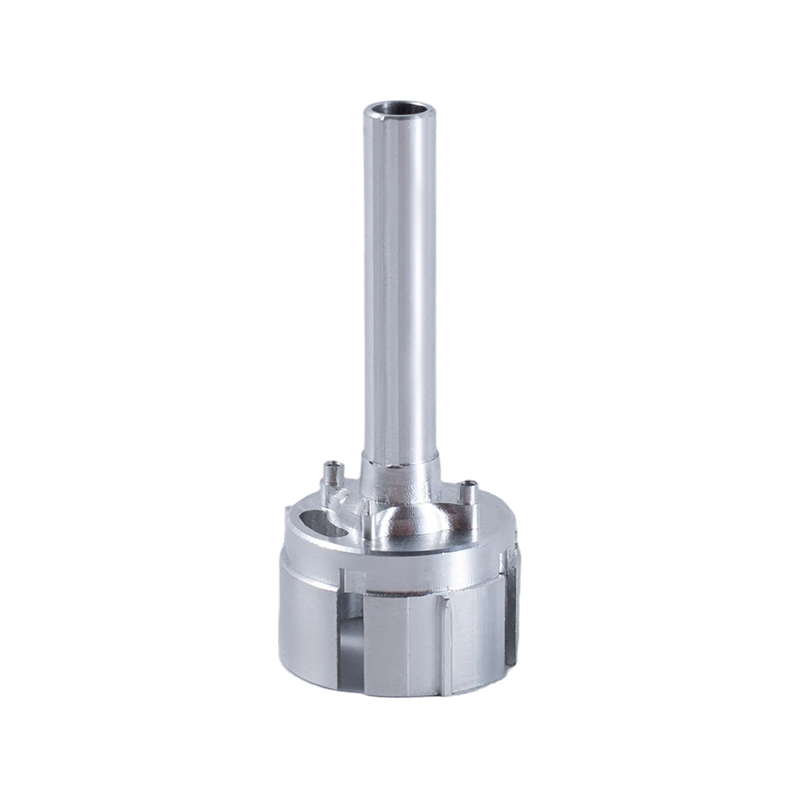
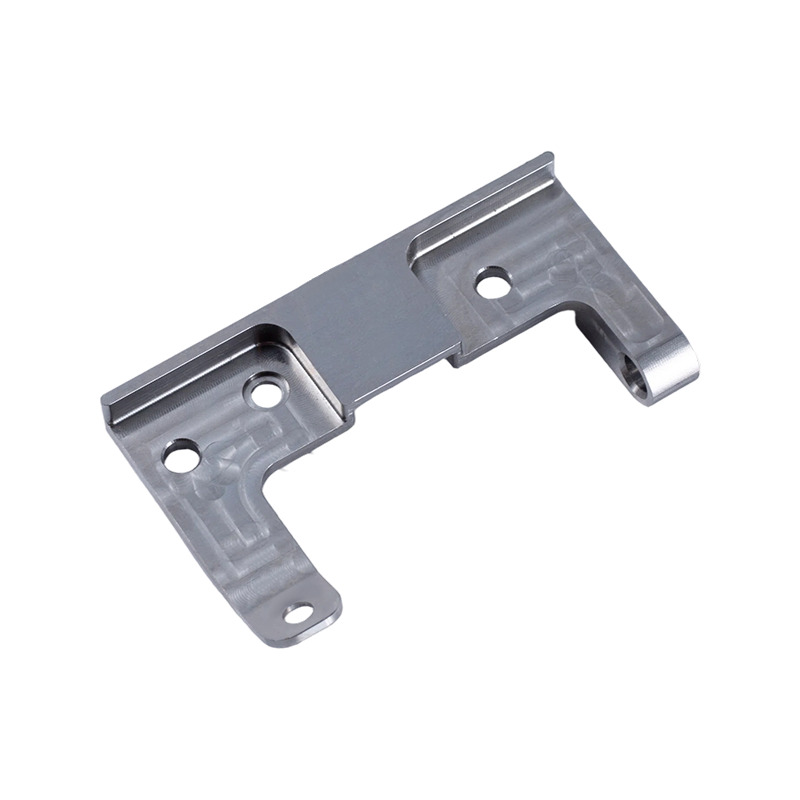 Ultra-High Precision Tolerance CNC Machining CapabilityDrawing-driven turning, milling, and grinding for tight-tolerance valve bodies, shafts, thin-wall structures, and housings, supported by multi-axis machining and CMM inspection.View Product →
Fixturing Determines Whether Batch Two Matches Batch One
A single good part proves the geometry can be cut. A hundred matching parts prove the process is controlled. The gap between those two statements lives in the fixture.
- Soft jaws machined in place on the actual machine, so the clamping surface matches the spindle's real position
- Repeatable clamping force, especially on thin walls where a torque wrench on the vise becomes a quality instrument
- Sacrificial tabs or a carrier plate for parts too thin to hold directly without deflection
- A documented zero point for every part, so a re-run months later starts from the same datum
Tool wear is the second variable. On aluminum, a cutter may hold size across hundreds of parts. On stainless or titanium, the same cutter can drift within 40 pieces. A shop that tracks tool life by count rather than by sound will replace the tool mid-run and keep the tolerance band intact instead of discovering the drift during final inspection.
Material Choice Affects Availability as Much as Machinability
For small batches the material question has two halves. The first is whether the alloy machines well. The second, more often overlooked, is whether it can be bought in the quantity you actually need.
- 6061-T6 aluminum: the default for housings, brackets, and plates, widely stocked in plate and bar
- 7075-T6: higher strength for structural work, but less forgiving of chatter and harder to source in small plate sizes
- 303 stainless: machines freely and suits turned and milled fittings; 304 is tougher and galls more readily
- 17-4 PH: high strength with good corrosion resistance, common in valve and instrument components
- Ti-6Al-4V: excellent strength-to-weight ratio, but cutting speeds drop sharply and cutter cost rises
Two procurement details matter here. Mill certificates should arrive with the material rather than after the fact, and an alloy stocked only in full bars may force you to pay for stock you will never machine. That single line item can quietly change the economics of a 30-piece order.
Where Small Batch Milling Earns Its Place
Low-volume milling is rarely the final production method. It is the bridge between a design that works on paper and a design ready for tooling.
- New energy vehicles: small chassis components and brackets milled in tens or hundreds while a platform is validated
- Medical devices: minimally invasive instrument components, where the design freeze follows clinical feedback
- Aerospace: lightweight alloy structural components in quantities too small for forging dies
- 5G and electronics: RF cavities and instrument enclosures whose geometry shifts between hardware revisions
- Automation and tooling: mounting brackets, tooling base plates, and fixture components that are one-off by definition
- Hydraulic and pneumatic: valve bodies and fluid control parts needing tight bore tolerances at low volume
These applications share a pattern. The part is complex enough that a wrong design is expensive, and the volume is low enough that tooling cannot absorb design changes. Housings and enclosures are a good example of that overlap, since tight bore geometry and cosmetic requirements often appear on the same drawing. For a closer look at how milling work breaks down by part type, see this guide to CNC milling part applications and selection criteria.
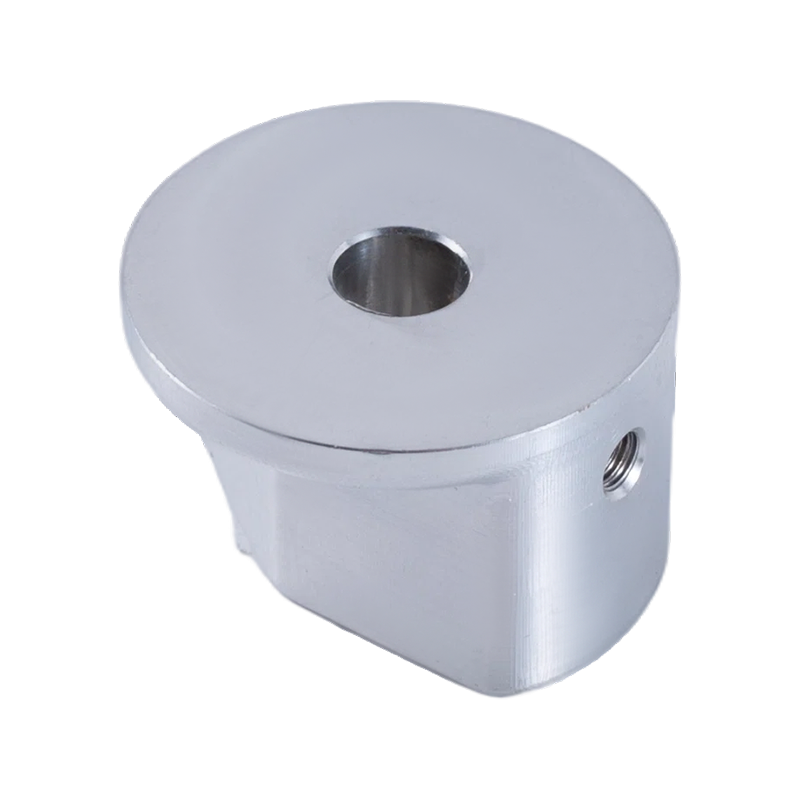
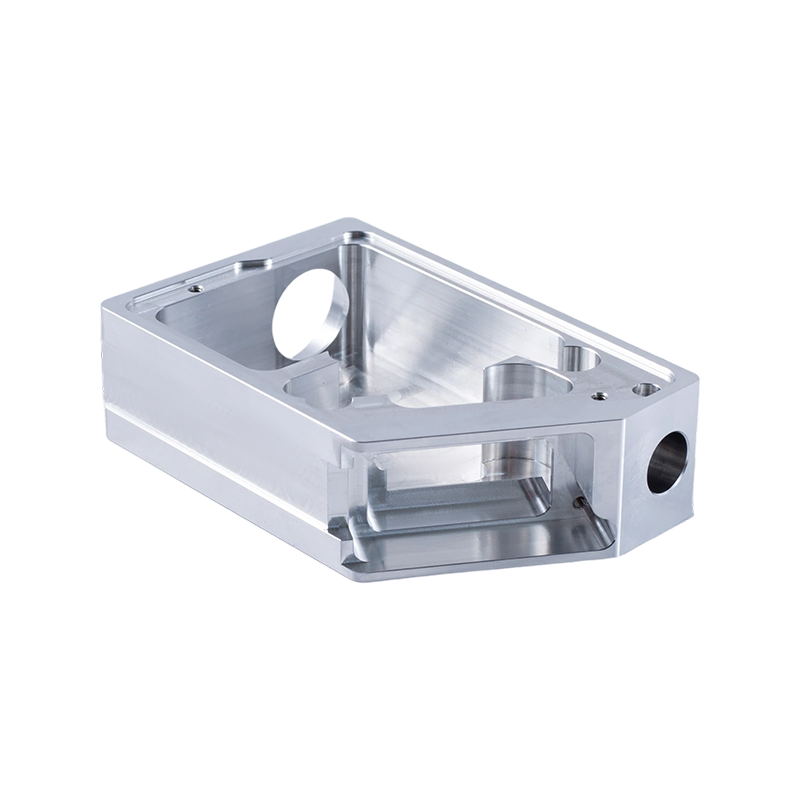 Precision CNC Milled Housings and EnclosuresCustom machined housings, sensor bodies, RF cavities, mounting bases, and connector plates with controlled datums and hole positions for prototype through serial production.View Product →
How to Vet a Small Batch CNC Milling Supplier
Supplier selection for low-volume work rewards different signals than high-volume sourcing. Capacity announcements matter less than process discipline.
- Ask for a first article inspection report on a comparable part, with the drawing ballooned and each result traceable to a measurement method.
- Confirm which measuring equipment is used for your specific tolerance, not the shop's best equipment in general.
- Ask how a mid-run revision is handled and whether partly finished stock can be reworked or must be scrapped.
- Request the setup plan: number of operations, workholding for each, and where the datum comes from.
- Check that material and finishing certificates are issued with the shipment.
- Ask what happens to the program and fixture if you reorder in a year.
A shop that archives programs, fixtures, and inspection records is a very different partner from one that would start from zero on the second order. Suzhou Miaocheng Precision Machinery Co., Ltd., a precision parts and module assembly manufacturer based in Wuzhong District, Suzhou since 2012, structures its work around drawing-based and sample-based custom machining, which is the same set of habits low-volume milling depends on.
Documentation and Delivery: What to Agree Before Cutting Metal
Most disputes on low-volume orders are not about machining quality. They are about undefined expectations. Three items are worth settling in writing before the first cut.
- Inspection scope: which dimensions are reported, on how many parts, and in what format
- Acceptance criteria: the exact drawing revision, plus any cosmetic standard for machined surfaces
- Delivery split: whether the full quantity ships at once or a first article is approved before the balance runs
A first article approval step costs a few days and usually prevents a scrapped batch. On tight-tolerance work it is the single most useful control a buyer holds, because it separates a process problem from a design problem while both are still cheap to fix.
Small batch CNC milling is a service defined by its constraints more than its capabilities. The parts are complex, the volumes are low, the tolerances are often tighter than the quantity can justify, and the design may still change after the order is placed. What separates a smooth run from an expensive one is unglamorous: an honest setup plan, a fixture that repeats, a tolerance set that matches function, and a shop that documents what it measured.
Before sending the next request for quotation, tighten the drawing to the tolerances that matter, confirm the quantity band the price is based on, and ask for the inspection plan alongside the quote. Those three questions usually reveal more about a supplier than any equipment list.