

 English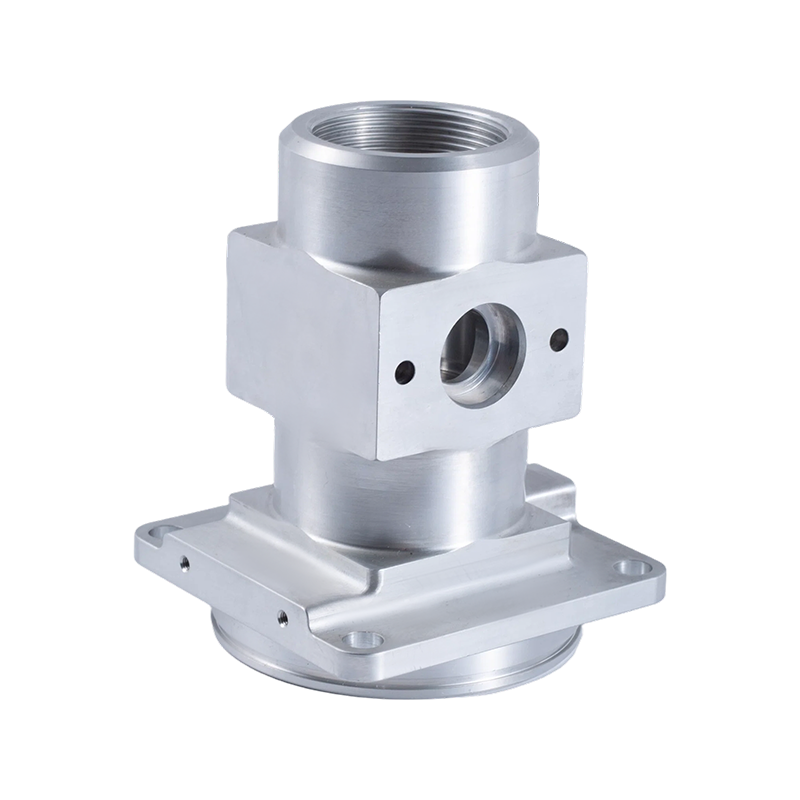


Custom Brackets & Mounting Plates from a CNC Milling Factory in China
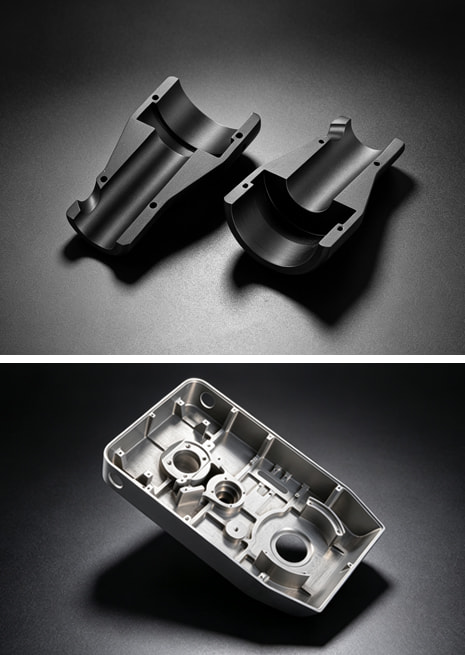
Suzhou Miaocheng Precision Machinery Co., Ltd. is a China Brackets & Mounting Plates manufacturer and CNC milling supplier. We machine brackets, mounting plates and related structural components as drawing-based custom parts, not catalog items. These components are the mechanical interface between a machine frame and the modules it carries, so their dimensional accuracy directly affects the positioning of motors, sensors, valves, guide rails and electronic assemblies.
Our Suzhou facility combines high-precision 3-axis, 4-axis and 5-axis CNC machining centers with grinding machines and a full-process inspection system. For a bracket or mounting-plate project, we can manage the complete route from blank preparation through milling, hole machining, thread work and final dimensional verification.
What We Supply in This Category
Custom brackets and mounting plates from our workshop include:
- Mounting plates and base plates with precision hole patterns, counterbores, slots and tapped holes;
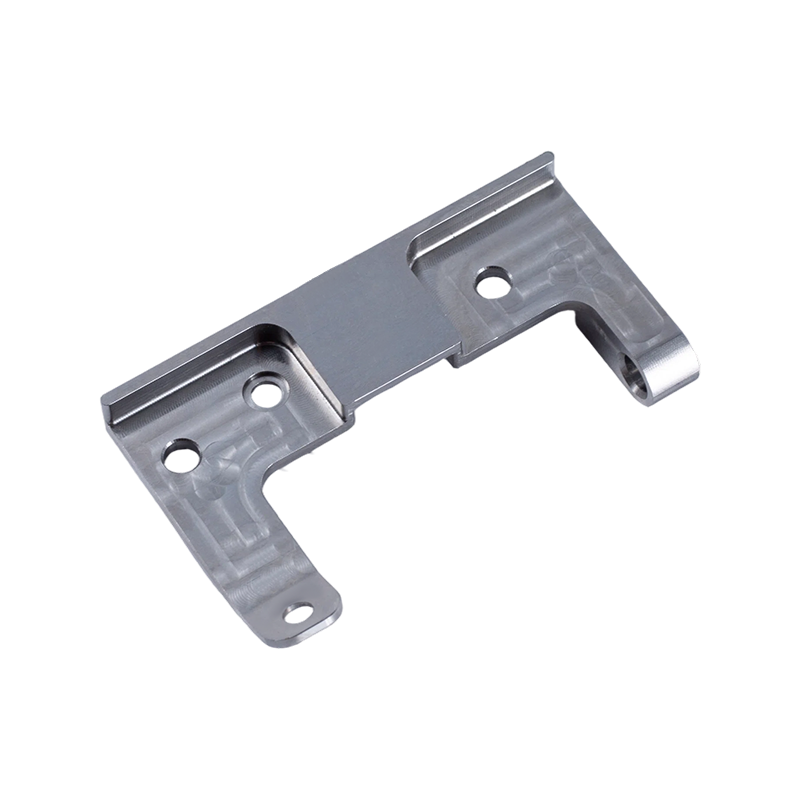
- L-brackets, gussets and angle brackets for frame reinforcement and component positioning;
- Adapter plates for motors, gearboxes, linear guides, sensors and electronic modules;
- Flanges and mounting blocks that combine milled faces with cylindrical or threaded features;
- Thin-profile covers and shield plates where flatness and edge quality are critical;
- Multi-feature brackets with pockets, standoffs and contoured profiles.
Every workpiece starts from an engineering drawing, a 3D model or a customer sample. We do not restrict bracket production to standard sizes; the machining route is defined by the geometry, quantity and function of each part.
Application Fit and Typical Part Types
Brackets and mounting plates are used wherever a component must be held in a defined position relative to a frame or assembly. Typical applications include automation equipment, medical devices, photovoltaic systems, automotive components, aerospace assemblies, semiconductor tools, food machinery and environmental equipment.
| Part Application | Typical Features | Machining Priority |
|---|---|---|
| Motor or gearbox mounting plate | Precision hole pattern, dowel holes, machined mounting face | Hole position, face flatness, perpendicularity |
| Sensor or camera bracket | Small tapped holes, slots, angled locating faces | Angular accuracy, thread quality, burr-free edges |
| Base or adapter plate | Large milled surface, countersunk holes, locating features | Flatness, parallelism, dimensional stability |
| Frame gusset or reinforcement bracket | Contoured profile, lightening pockets, radii | Profile tolerance, burr control, uniform wall thickness |
| Valve or manifold mounting block | Sealing faces, cross holes, threaded ports | Surface finish, perpendicularity, thread position |
Machining Considerations for Brackets and Mounting Plates
Hole Patterns and Datum Control
Most bracket and mounting-plate designs are judged by hole position, flatness and batch-to-batch consistency. When a plate locates a motor or guide rail, dowel holes and counterbores are normally referenced to the same datum structure. We interpret the drawing's GD&T and plan the machining sequence so critical features are cut from stable datum surfaces.
Thin-Wall and Large-Plate Stability
Large plates and thin brackets are sensitive to clamping distortion and internal material stress. Workholding, support placement and the sequence of roughing and finishing operations determine whether the final part holds its specified flatness and dimensions after release from the machine.
Threads, Counterbores and Pockets
Threads in brackets are usually functional rather than decorative. We machine tapped holes, thread-milled features and counterbores with attention to depth, perpendicularity and deburring. Pockets and lightening features are positioned so they do not distort the surrounding structure or create weak sections.
Materials and Drawing Requirements
Material selection is part of the engineering discussion. Common material families for brackets and mounting plates include:
- Aluminum alloys for light weight, good stiffness and machinability, often used in automation, electronics and new energy vehicle equipment;
- Stainless steel for corrosion resistance in medical, food processing and outdoor installations;
- Carbon steel for higher strength and rigidity in heavy structural mounting;
- Brass and copper alloys where conductivity or special bearing behavior is required;
- Engineering plastics when electrical insulation, weight reduction or non-magnetic properties are specified.
The clearest basis for a proposal is a 2D drawing with GD&T plus a 3D model. When no drawing exists, a physical sample can be used to define the required geometry, and we can review the project under our Custom CNC Machining services.
Manufacturing and Quality Approach
We produce brackets and mounting plates on high-precision CNC machining centers with 3-, 4- and 5-axis capability. Multi-sided milling, angled holes and contoured profiles can be completed in fewer set-ups, which improves feature-to-feature consistency and reduces the risk of datum shift between operations.
Quality control is integrated into the production flow. The inspection system includes three CMMs, precision height gauges and video measuring machines, supported by a quality-control team that monitors incoming material, in-process machining and final outgoing inspection.
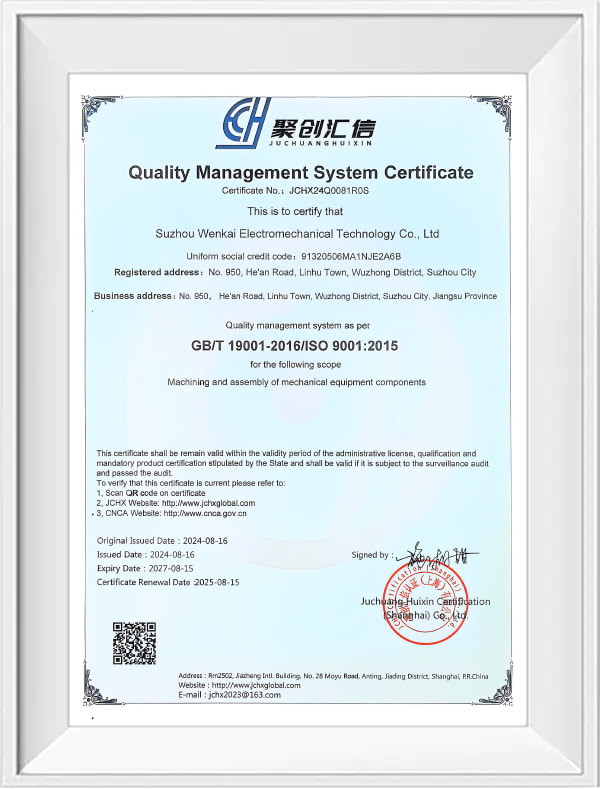
- ISO 9001:2015 quality management system certification;
- Full-process inspection from raw material verification to final outgoing control;
- Coordination of secondary operations and module assembly for complete mechanical systems.
Related CNC Milling Capabilities
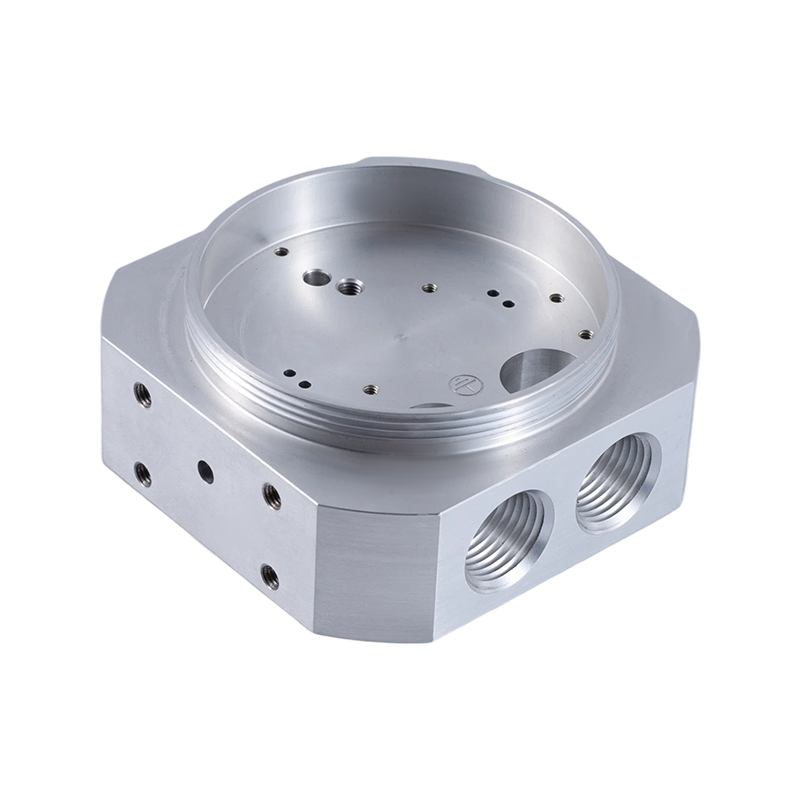
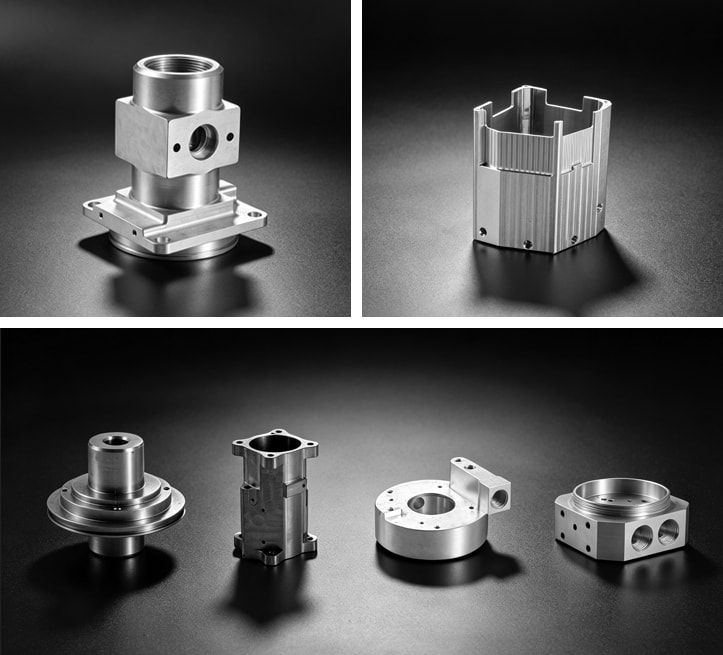
Brackets and mounting plates often overlap with other milled-part categories. A part with an enclosed cavity or multiple mating faces may be better classified as a Precision Housings & Enclosures component. Parts with dozens of holes and complex feature patterns can be handled through our CNC Milling Parts range. If a bracket also requires turned features, we can combine milling with CNC turning processes in one project.
Tell us the function of the part, not just its shape. That context helps us choose the correct machining route, datum strategy and inspection method.
Information We Use to Configure Your Solution
To prepare a realistic quotation and manufacturing proposal for a custom bracket or mounting plate, we need the following project inputs:
- 2D drawing or 3D model in STEP, IGES, PDF or another common format;
- Material grade and any customer-supplied raw material requirement;
- Order quantity, target delivery schedule and expected batch size;
- Critical dimensions, tolerances and surface-finish requirements;
- Thread depth, hole size, counterbore depth and edge-break details;
- Application context, including what the bracket mounts and the operating environment;
- Required inspection reports, material documentation or marking;
- Secondary requirements such as pre-assembly, fastener fitting or protective packaging.
Frequently Asked Questions
Do you machine brackets and mounting plates from drawings only, or do you also accept samples?
We support both. A 2D drawing with GD&T plus a 3D model gives the clearest definition of the part. If only a physical sample is available, we can evaluate its geometry, critical features and tolerances, then discuss the manufacturing route before quoting.
Can you handle brackets that need machining on multiple sides or precise hole patterns?
Yes. Our 3-axis, 4-axis and 5-axis CNC machining centers allow us to machine multiple faces, angled holes and contoured profiles in fewer set-ups. This is especially useful for mounting plates with complex hole patterns, threaded ports and critical datum relationships.
What material should I choose for a mounting plate?
The right material depends on stiffness, weight, corrosion resistance and cost. Aluminum is a common choice for equipment frames and electronic mounts; stainless steel suits hygienic or outdoor environments; carbon steel provides higher rigidity for heavy loads. We can review the drawing and application before recommending a material.
How do you control flatness and hole position on larger mounting plates?
We control these features through the machining route: stable workholding, separated roughing and finishing operations, and CMM verification of critical holes and surfaces. The achievable result depends on part geometry, material condition and the tolerances specified on the drawing.
Can you move from prototype to production quantities?
Yes. We can prototype a bracket on our CNC machining centers, validate the geometry, then move into batch production with dedicated fixture planning. Please include the expected annual or order quantity in your inquiry, because the volume affects the machining strategy and packaging approach.



