

 English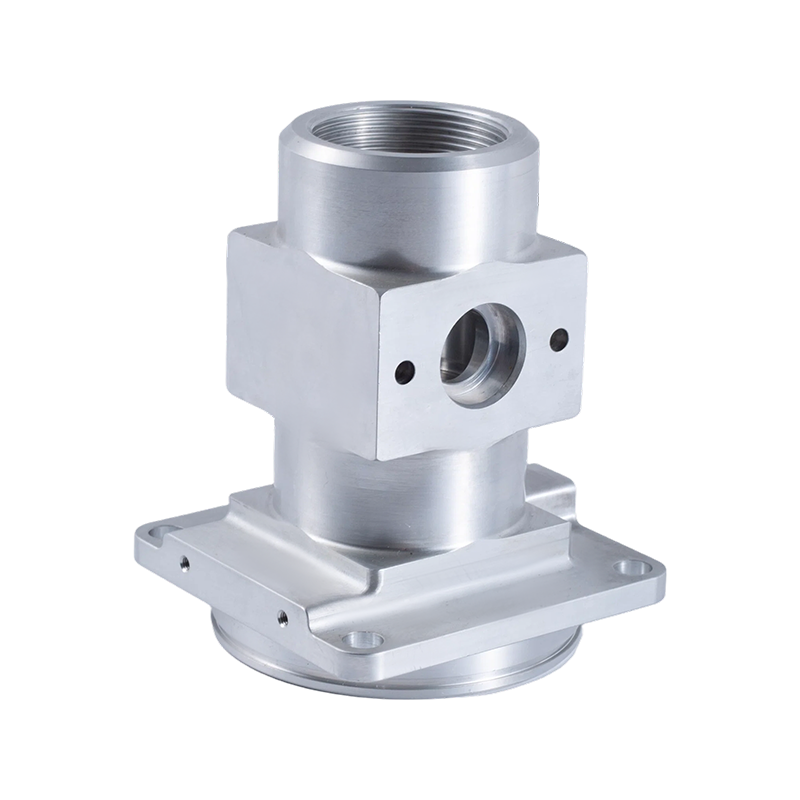
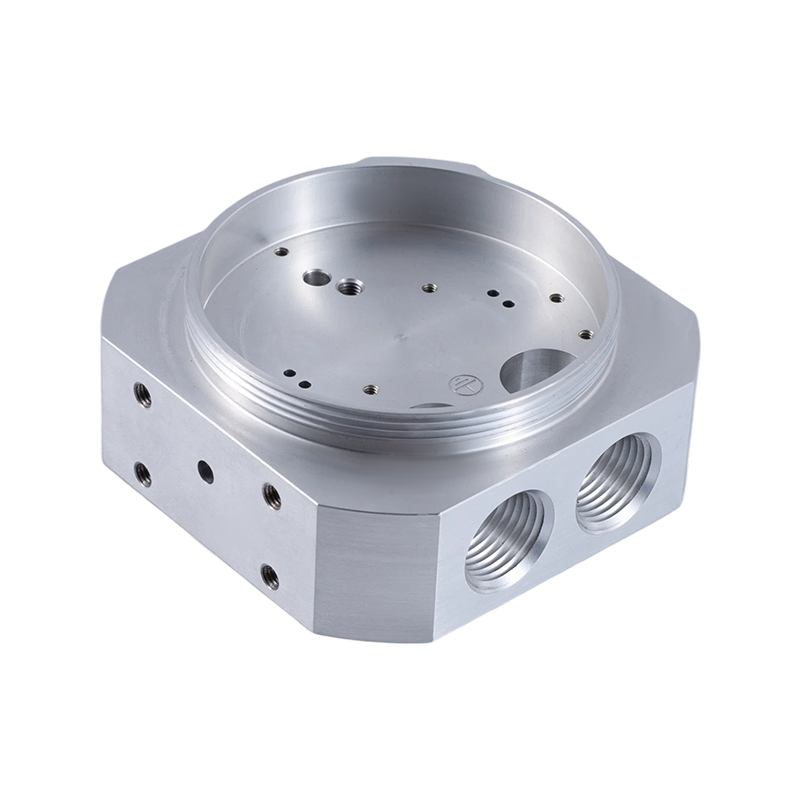
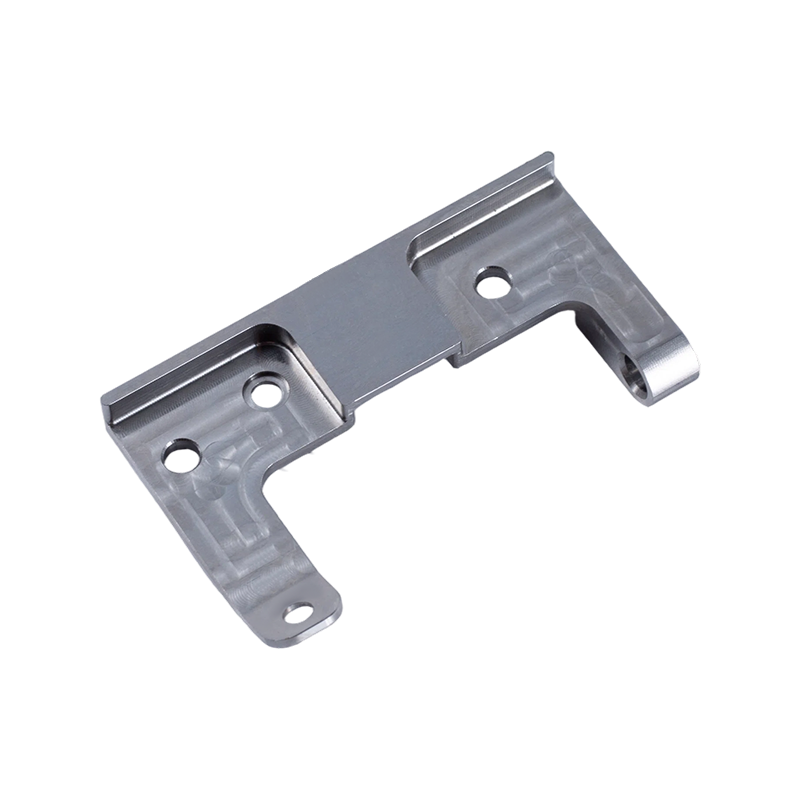
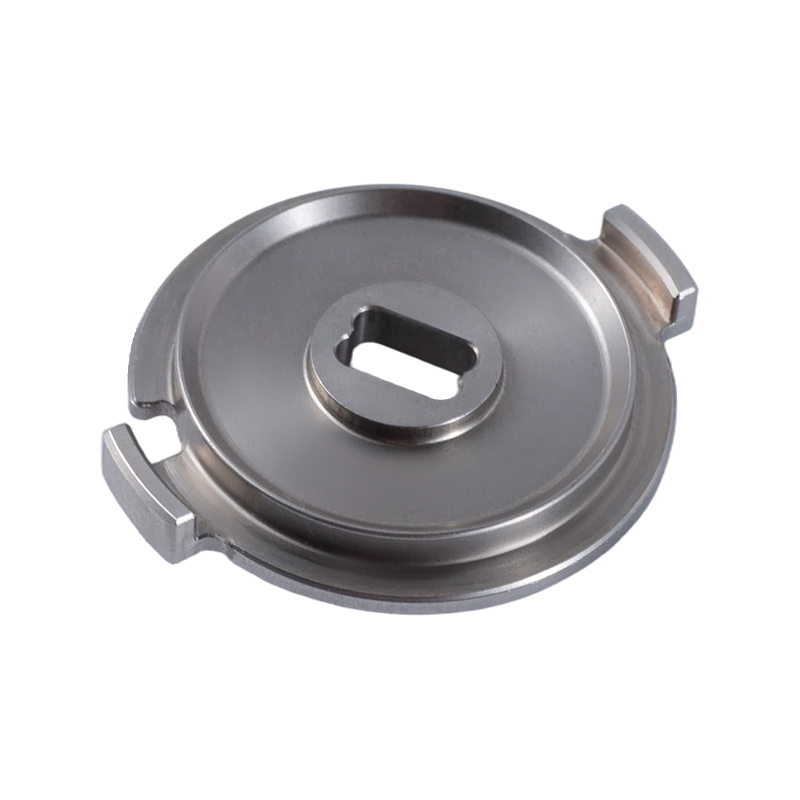
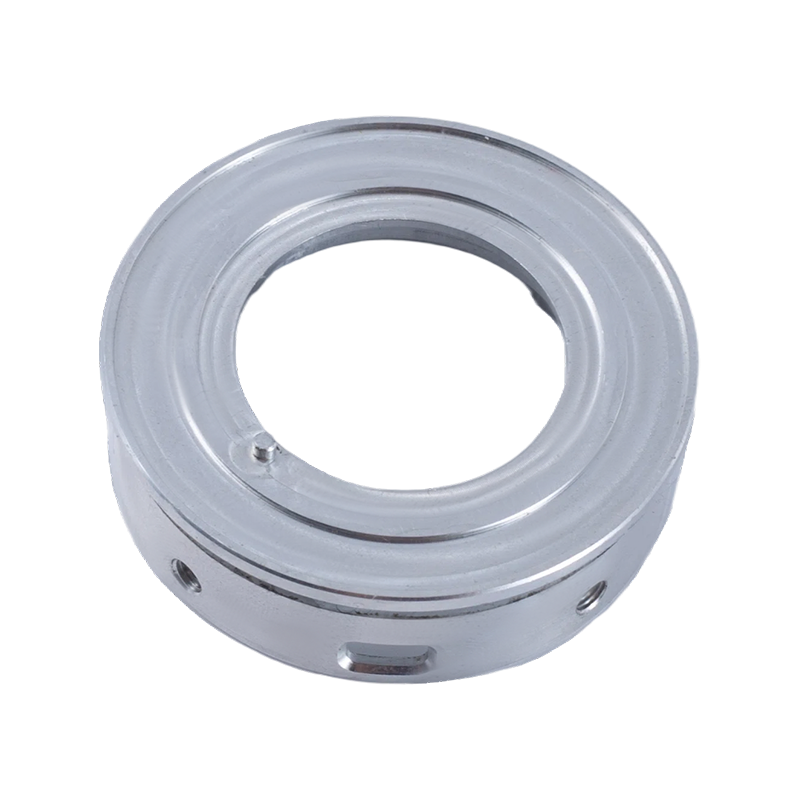


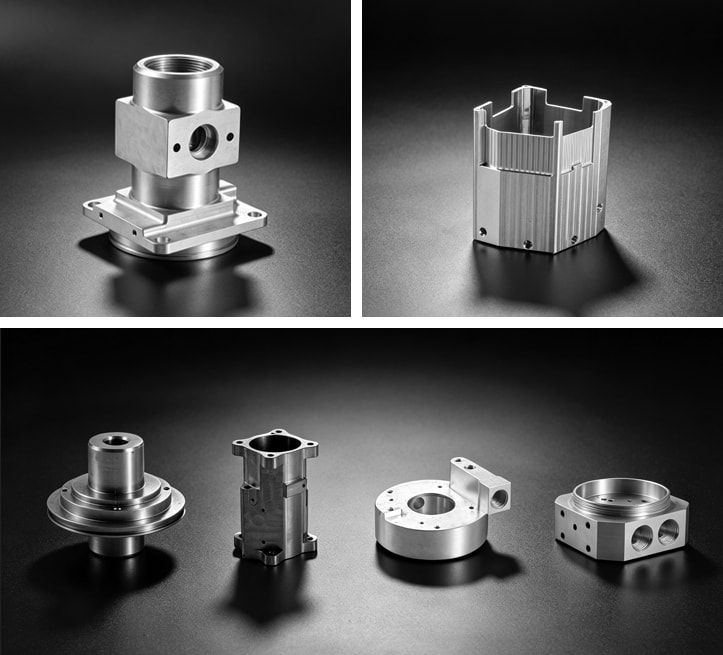
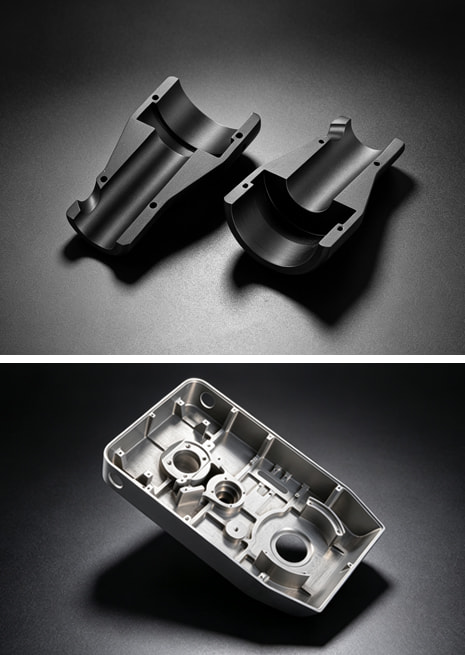
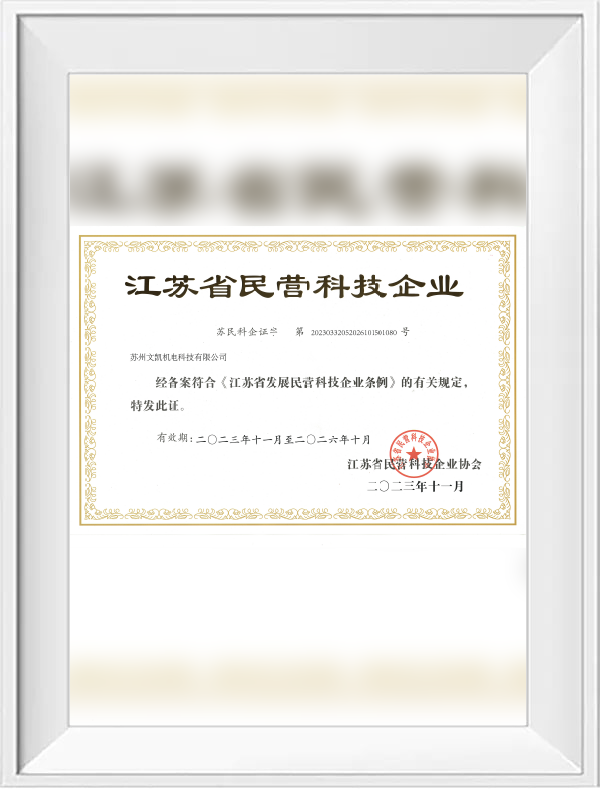
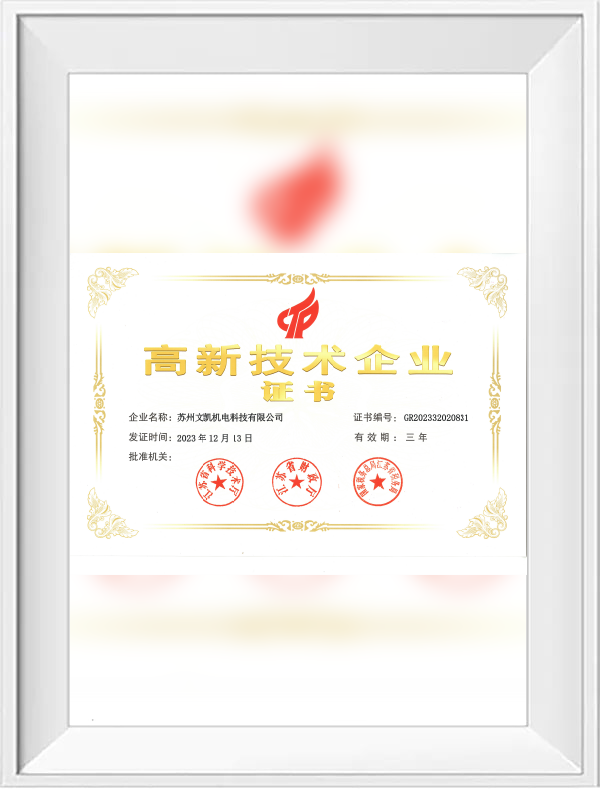
Suzhou Miaocheng Precision Machinery Co., Ltd. is an Industry CNC Components manufacturer and OEM machining partner based in Suzhou, China. The company specializes in precision component processing and module assembly, supported by dozens of high-precision 3-axis, 4-axis and 5-axis CNC machining centers, precision grinding machines and a full-process quality inspection system. Our Industry CNC Components category groups machined parts by end application, so buyers in regulated and technically demanding sectors can identify the product family that matches their project before contacting our engineers.
What the Industry CNC Components Category Covers
This category is not a single product form. It is an application-oriented range that includes turned parts, milled parts and machined assemblies across six product groups, each defined by the environment the component must survive:
- Precision Parts for New Energy Vehicles — small chassis components, shaft parts and structural fittings for electric and hybrid vehicle systems, with priority on batch consistency and weight control.
- Precision Medical Device Components — machined parts such as minimally invasive surgical instrument components, where surface quality, burr control and material integrity are critical.
- Aerospace Precision Parts — lightweight alloy structural components where thin-wall stability, dimensional verification and material traceability matter.
- 5G Electronic & Communication Components — precision housings, mounting frames and connector-related parts where flatness, positional accuracy and fine feature detail protect assembly fit.
- Automation Equipment Accessories — tooling, fixture parts, mounting plates and machine components where datum consistency and repeatable geometry keep production lines running.
- Hydraulic & Pneumatic Components — valve bodies and fluid control components where sealing geometry, internal channel accuracy and thread quality determine performance.
Manufacturing Capability Behind the Range
The factory operates a standardized 2,000 m² facility in Wuzhong District, Suzhou, with 23 CNC machining systems, 8 precision grinding machines and 3 coordinate measuring machines, supported by more than 50 employees including 15 core technical personnel and 8 quality-control specialists. The equipment base is built around high-precision 3-axis, 4-axis and 5-axis CNC machining centers, giving broad processing coverage for high-difficulty, non-standard precision components.
Full-process manufacturing from roughing to finishing preserves datum relationships between turned sections, milled features and ground surfaces. Five-axis machining also reduces setups on parts with angled features and contoured geometry, improving positional accuracy and shortening lead time. Where the project requires it, we support module assembly, so components can be delivered as ready-to-install units rather than loose machined parts.
Materials and Workpiece Considerations
Material selection for Industry CNC Components is driven by the operating environment, the drawing and the standards of the end market. The current range includes stainless steel motor shafts, aluminum alloy bushings and housings, and aerospace-grade lightweight alloy structural components. Before process planning begins, we confirm material grade, condition and any traceability requirements with the customer.
- Aluminum alloys suit lightweight housings, chassis components and brackets where weight reduction and thermal performance are priorities.
- Stainless steel is used for precision shafts, surgical instrument components and fluid-handling parts that require corrosion resistance and clean surfaces.
- Lightweight alloys apply to aerospace and new energy structures where strength-to-weight ratio drives the design.
- Other metals and engineering plastics are assessed against the drawing; machinability, heat-treatment state, surface finish and secondary finishing are reviewed during process planning.
Critical Specifications and Quality Assurance
Industry components usually carry functional tolerances that protect alignment, sealing, motion or assembly fit. The controlling dimensions depend on the part: shaft diameters and concentricity for rotating components; bore geometry and sealing faces for fluid control; positional tolerances between holes for housings and brackets; thread accuracy for connectors and valve bodies. Because requirements vary by application, we review each drawing before quotation and confirm whether the specified tolerances and finishes are achievable with the proposed process.
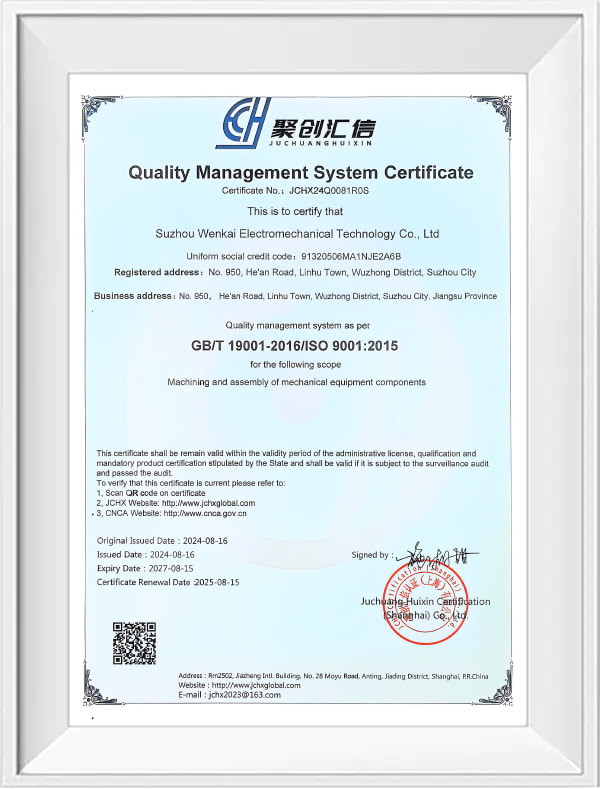
Quality management is covered under ISO 9001:2015 certification. Incoming material verification, in-process inspection and final outgoing checks are performed with three CMMs, precision height gauges, vision measuring machines and other professional inspection devices, providing closed-loop quality control from raw material to finished goods. Dimensional reports, material certificates and traceability records can be defined as deliverables at the enquiry stage.
Application-to-Component Matching
| Application Sector | Typical Component Scope | Main Engineering Focus |
|---|---|---|
| New Energy Vehicles | Small chassis components, shaft parts, structural fittings | Batch consistency, lightweight design, corrosion resistance |
| Medical Devices | Minimally invasive surgical instrument components, device parts | Burr control, surface quality, material integrity |
| Aerospace | Lightweight alloy structural components | Thin-wall stability, dimensional verification, traceability |
| 5G Electronic & Communication | Precision housings, mounting frames, connector parts | Flatness, positional accuracy, fine feature detail |
| Automation Equipment | Tooling, fixture parts, mounting plates | Datum consistency, wear resistance, repeatability |
| Hydraulic & Pneumatic | Valve bodies, fluid control and pneumatic components | Sealing geometry, channel accuracy, thread quality |
Prototype, Small Batch and OEM Production
Many Industry CNC Components projects begin with a drawing, a 3D model, a sample or a performance problem that needs a machined solution. We support the full path from Custom CNC Machining, including custom machining from drawings or samples and small-batch prototype machining, through to serial OEM production. The supplier that develops the part also produces it in volume, so tooling selection, setup strategy, inspection points and cycle times established during prototyping carry directly into production.
For distributors and project managers, this structure simplifies supplier management. A single factory can deliver a validated component with inspection documentation, avoiding handoffs between separate machining, grinding and finishing shops.
Information We Use to Configure Your Solution
To prepare an accurate proposal for an Industry CNC Components project, our engineering team reviews these project inputs:
- 2D drawing (PDF or DWG) with dimensions, tolerances, surface finish and general notes
- 3D model (STEP, IGES or similar) for complex geometry that is difficult to define in 2D
- Material grade, condition or standard, and any required material certification
- Order quantity — prototype, small batch or serial production
- Critical dimensions and tolerances that must not be relaxed
- Secondary operations: anodizing, passivation, plating, heat treatment, marking or assembly
- Inspection and documentation requirements: dimensional reports, material certificates, traceability records
- A sample or reference part when the project is based on reverse engineering or improvement of an existing component
If some inputs are not yet available, send the drawing or a description of the part function. Our engineers will identify the missing information and confirm the project definition during the enquiry, so the quotation reflects a manufacturable process rather than an estimate.
Frequently Asked Questions
What types of parts does the Industry CNC Components category cover?
The Industry CNC Components category covers application-specific machined parts for new energy vehicles, medical devices, aerospace, 5G communication, automation equipment and hydraulic/pneumatic systems. Typical examples include small chassis components, surgical instrument parts, lightweight alloy structural components, valve bodies, precision housings and mounting structures. If your part is a non-standard precision component for a specific industry, this category applies.
Can you machine components from a sample or a drawing?
Yes. We support custom machining from drawings as well as from samples. A 2D drawing or 3D model with material and quantity information is sufficient to begin. For reverse-engineering projects, a physical sample and a list of critical dimensions allow us to plan the process and confirm achievable tolerances.
Can your factory handle both prototype and serial production?
Yes. Small-batch prototype machining validates the design, and the same factory then produces series quantities with the same equipment, inspection system and process discipline. This keeps prototype results relevant to production and simplifies qualification.
How do you ensure quality for mission-critical industry components?
We operate an ISO 9001:2015 certified quality management system with three CMMs, precision height gauges and vision measuring machines. Incoming material verification, in-process inspection and final outgoing checks are applied to every batch. Additional dimensional reports or material certifications can be defined as deliverables in the quotation.
Do you provide assembly as well as precision machining?
Yes. The company specializes in precision component processing and module assembly. For customers that need ready-to-install units, components can be supplied assembled and checked, reducing the number of vendors involved in the supply chain.
Which industries do you serve with Industry CNC Components?
Our components are applied in medical equipment, photovoltaic new energy, automotive, aerospace, semiconductors, food machinery and environmental protection equipment. The same machining and quality foundation supports each sector; the difference is in the material, tolerance and documentation requirements defined by your drawing.
Related Products and Categories
Our portfolio also includes Precision Fluid Control Component for applications with different operating ranges, interfaces or integration requirements.



