

 English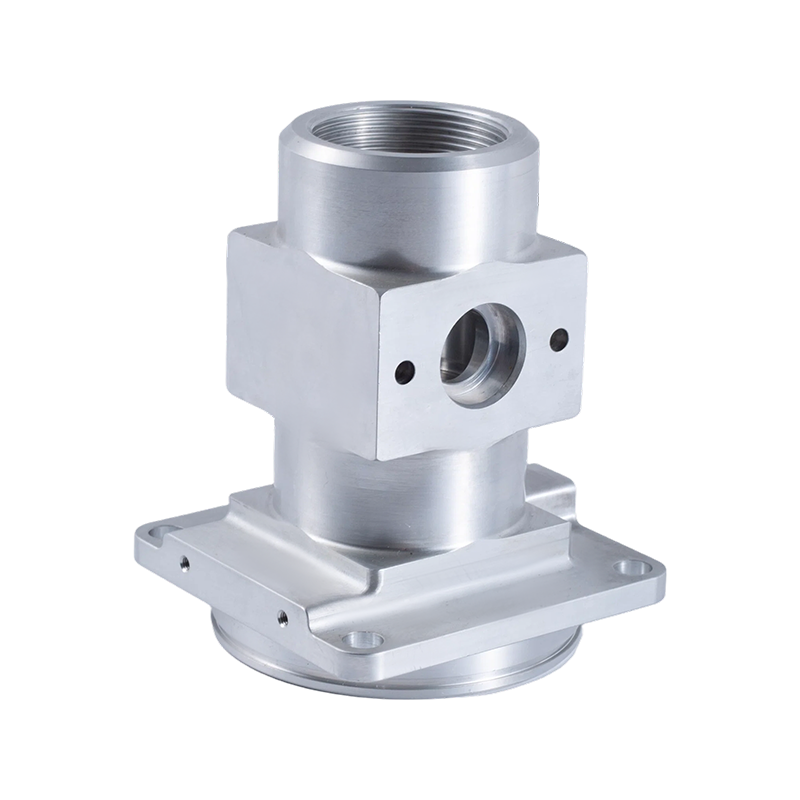
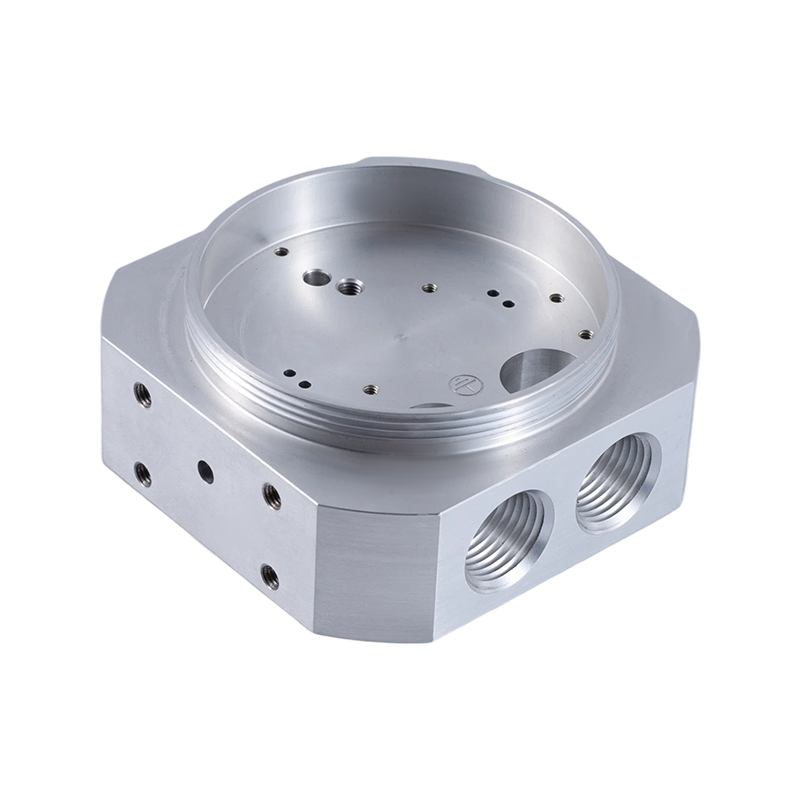
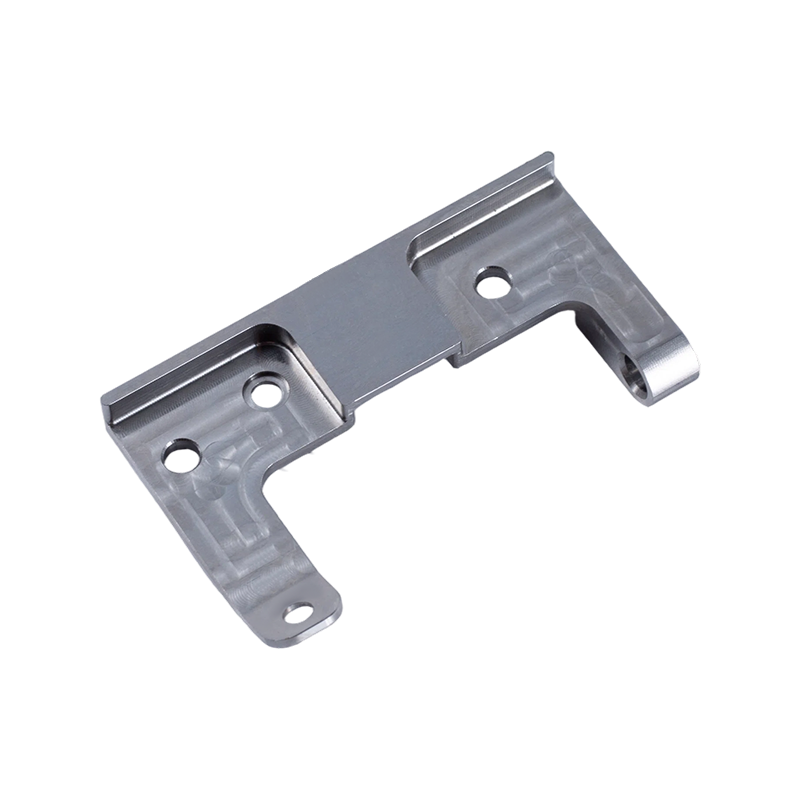
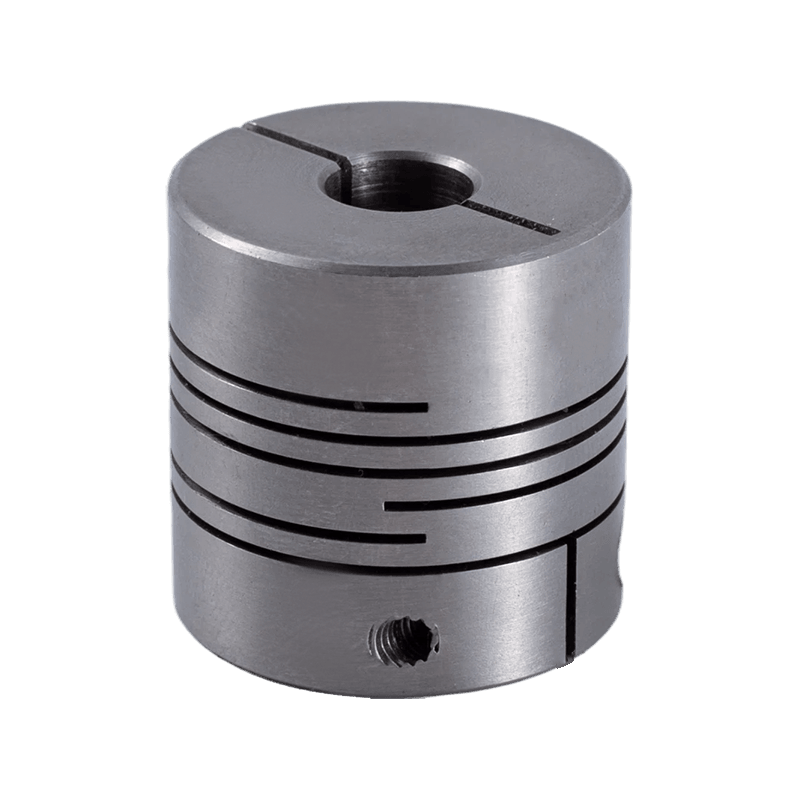


Micro Precision Turned Parts Manufacturer in Suzhou, China
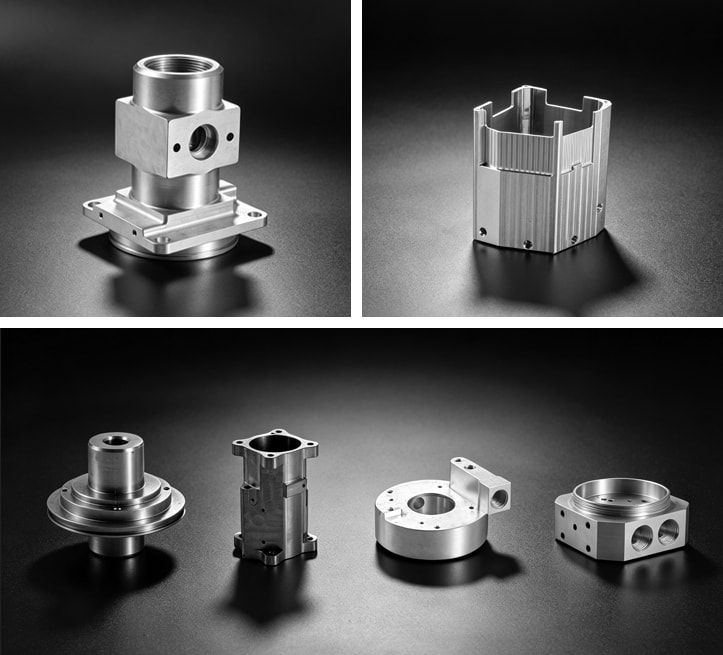
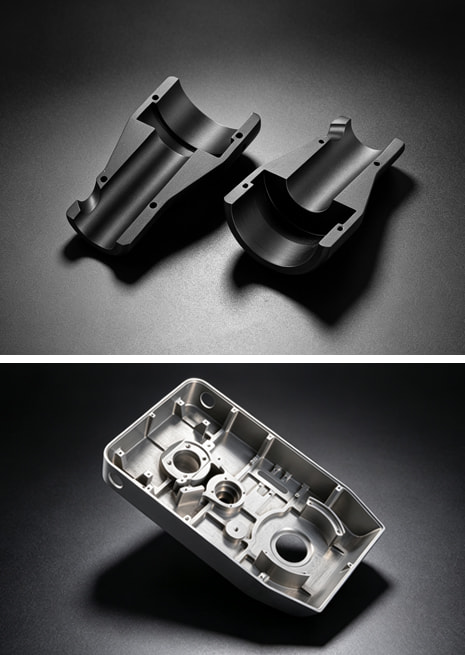
At Suzhou Miaocheng Precision Machinery Co., Ltd., Micro Precision Turned Parts manufacturer is one of our core CNC turning capabilities. We are a China-based precision machining manufacturer and supplier established in 2012, with a 2,000 m² plant in Suzhou, ISO 9001:2015 certification, and a quality system built around CMM inspection and full-process control. This category is for small-diameter, rotationally symmetric components where dimensional accuracy, surface finish and repeatability must hold over long production runs.
We supply custom micro turned components from drawings, CAD models or physical samples, and we cover prototype, small-batch and serial production. Typical projects include sensor rotary components, micro shafts, pins, bushings, sleeves, threaded inserts and fluid-control turned parts, often with secondary features such as grooves, cross holes, flats and threads.
Product Range and Application Fit
Micro precision turned parts are not a single component type; they are a family of geometries that share small size, tight dimensional relationships and high repeatability. The table below maps common part families to the geometry and application fit we support.
| Part Family | Typical Geometry | Typical Application Fit |
|---|---|---|
| Sensor rotary components | Small diameters, stepped profiles, fine grooves, flat surfaces | Encoders, rotary sensors, compact drive assemblies |
| Micro shafts and pins | High length-to-diameter ratio, ground diameters, controlled straightness | Motors, actuators, positioning mechanisms |
| Bushings and sleeves | Thin walls, tight ID/OD concentricity, controlled axial lengths | Bearings, spacers, guides, hydraulic or pneumatic assemblies |
| Threaded joints and connectors | External or internal threads, sealing diameters, hex or key features | Fluid connections, instrumentation, fittings |
| Valve and fluid control inserts | Sealing grooves, cross holes, precision bores, controlled surface finish | Valve bodies, regulators, pneumatic controls |
Within our CNC Turning Parts range, micro precision turned parts sit alongside precision shaft parts, bushings and sleeves, threaded joints and connectors, and valve and fluid control turned parts. This grouping makes it easier to classify a new project: long slender components belong in the shaft category, thin-wall cylindrical parts in the bushing and sleeve category, and components with sealing or flow-control features in the valve and fluid control category.
Geometry and Material Considerations
A micro turned part usually has one or more of these features:
- Small diameters, often a few millimeters or less
- Stepped profiles with tight transitions
- Fine external or internal threads
- Grooves, undercuts and chamfers
- Cross holes or flats added after turning
- Thin-wall sections that must resist clamping distortion
Material choice affects tool selection, surface finish and cost. Stainless steel, aluminum alloy and other alloys commonly used in precision turned components are all relevant to this category. For aerospace and new-energy applications, lightweight alloys are often specified; for fluid control, corrosion resistance and sealing behavior usually decide the grade. We confirm the material state before choosing the process route, because hardness and machinability directly influence cycle time and achievable finish.
Feasibility Factors That Affect Price and Consistency
Not every small part is equally easy to machine. The factors that most influence feasibility, price and production consistency are:
- Overall length and slenderness, which affect vibration and deflection
- Wall thickness and clamping distortion on thin-wall sections
- Tolerance stack-up between diameters, shoulders and thread positions
- Thread quality, edge condition and the need for deburring
- Surface finish on functional or sealing diameters
- Quantities and the level of inspection requested per batch
Our feasibility review is based on the drawing, not on generic assumptions. When the geometry is demanding, we confirm the clamping plan, tooling access, possible deflection and inspection method before quoting.
Manufacturing and Inspection Approach
On the manufacturing side, our CNC turning capability is supported by precision grinding machines and high-precision multi-axis CNC machining centers, so features such as flats, slots and cross holes can be completed after the basic turning operation. Grinding is used when roundness, straightness or surface finish on functional diameters is critical.
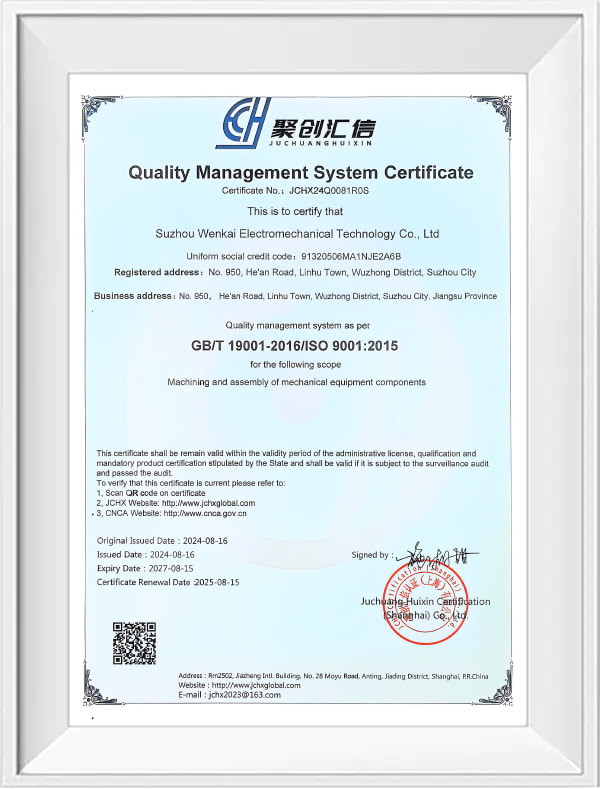
Our inspection resources include 3 CMMs, precision height gauges and vision measuring machines. We run closed-loop quality control from incoming material verification through in-process checks to final outgoing inspection, and our quality system is certified to ISO 9001:2015. For micro precision parts, we pay particular attention to concentricity, small feature position, thread fit and edge condition, because these are the characteristics that affect assembly behavior.
Engineering Support from Prototype to Small Batch
Process planning is a large part of what we deliver. Our engineers review the datum structure, tolerances and tool access before production, then define the sequence of turning, grinding, deburring and secondary operations. We also provide module assembly for customers who need precision components integrated into subassemblies.
For drawing-based and sample-based projects, our Custom CNC Machining service covers non-standard components. When you need first articles before volume release, Small-Batch Prototype Machining lets us prove the process without waiting for full production tooling.
Information We Use to Configure Your Solution
To prepare a proposal for micro precision turned parts, please send:
- 2D drawing with dimensions, datums, tolerances and surface finish notes, in PDF or CAD format
- 3D model when the geometry is complex
- Material grade and condition
- First-order quantity and expected annual volume
- Thread standards, surface treatment and packaging requirements
- Inspection or reporting requirements, such as CMM reports or material certificates
With these inputs, we can confirm machinability, propose the process route and return a quotation with a clearly defined manufacturing scope.
Micro Precision Turned Parts FAQ
What is a micro precision turned part?
A micro precision turned part is a small-diameter, rotationally symmetric component produced on CNC turning equipment with tight dimensional tolerances, controlled surface finish and high repeatability. It can include grooves, threads, flats, cross holes and other features added after the basic turning operation.
Can you make micro turned parts from a sample instead of a drawing?
Yes. Our custom machining service accepts both drawings and samples. For sample-based projects, we confirm critical dimensions, material and tolerances with you before producing first articles for approval.
What tolerances can you hold on micro turned parts?
Achievable tolerance depends on feature size, material, wall thickness and whether grinding is required. We evaluate each drawing against our machine capability and inspection equipment and state the confirmed tolerance in our quotation.
Do you support prototype and low-volume production?
Yes. We support prototype, small-batch and serial production. The same CNC turning, grinding and inspection framework is used, so parts made in the first article remain consistent when volume increases.
What information do you need to provide a quotation?
A 2D drawing or 3D model, material grade, required tolerances and surface finish, quantity, surface treatment, and any special inspection or reporting requirements. We use this information to confirm manufacturability and prepare the proposal.



