

 English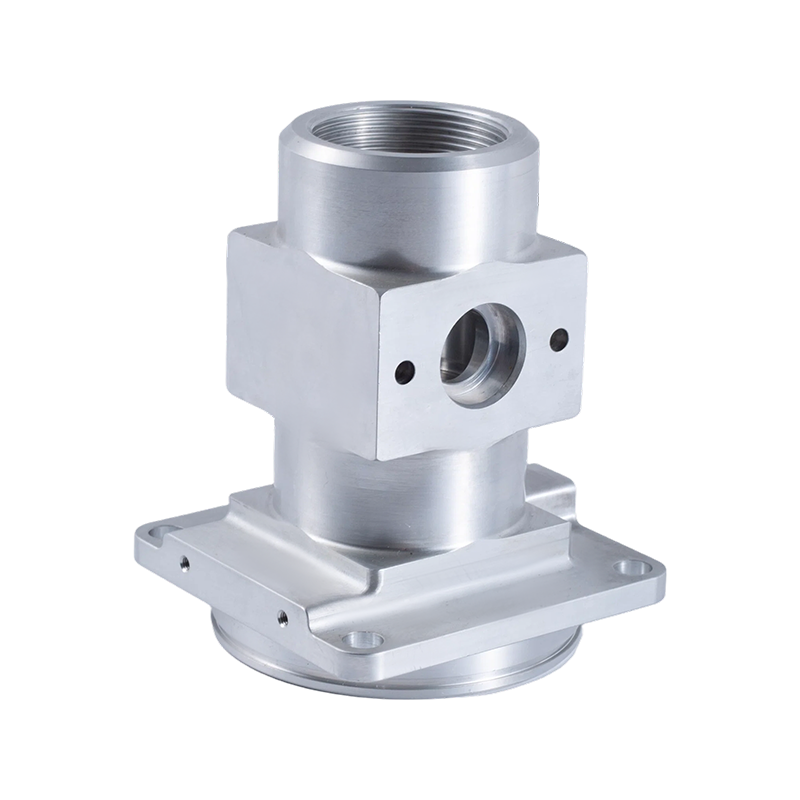
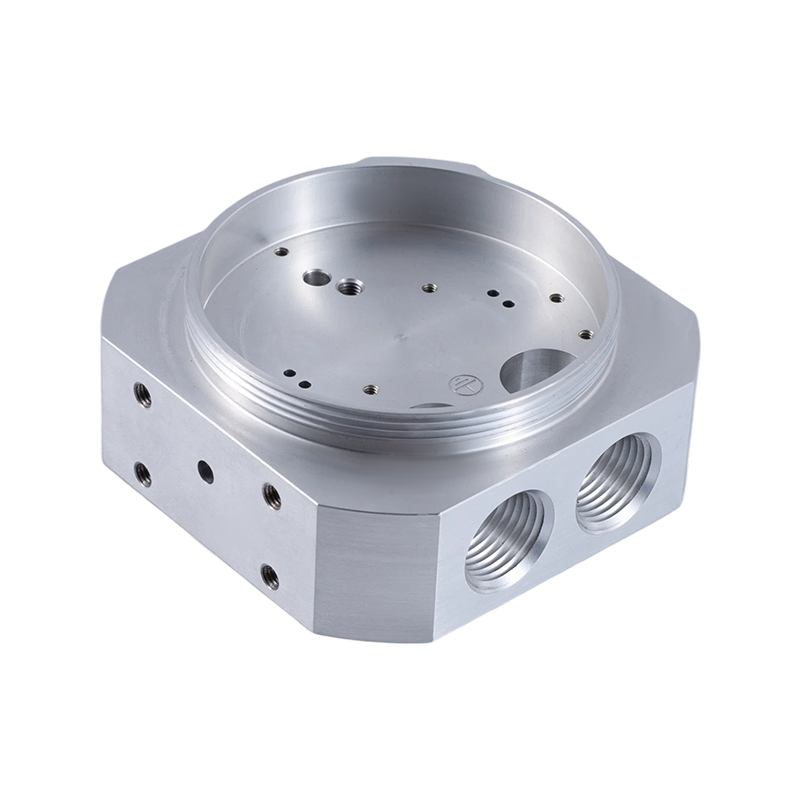
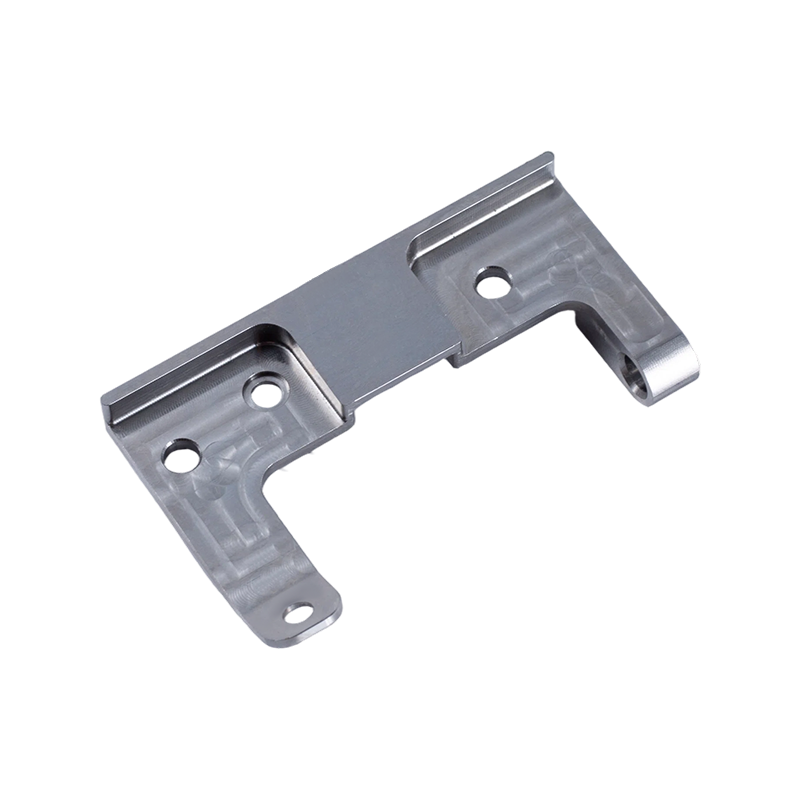


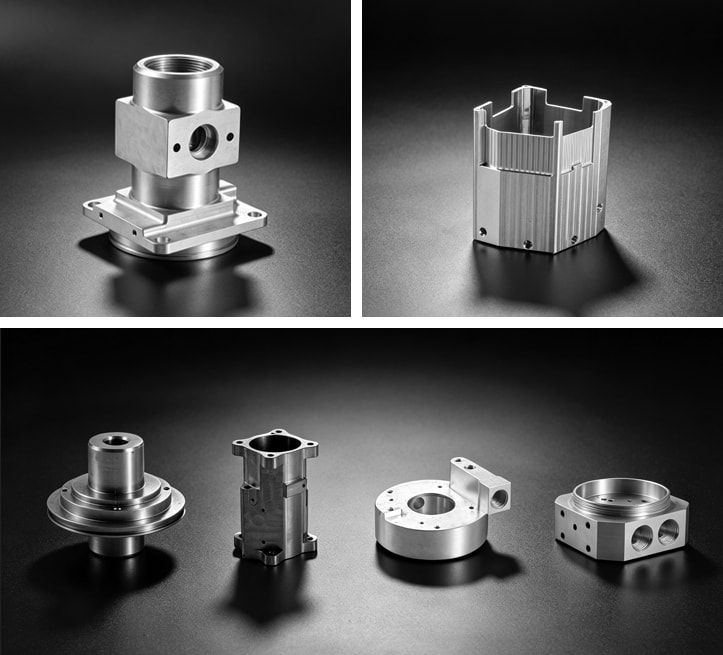
Custom hydraulic and pneumatic components for fluid power systems. Suzhou Miaocheng Precision Machinery Co., Ltd. is a China-based Hydraulic & Pneumatic Components manufacturer and OEM factory specializing in precision component processing and module assembly. We machine valve bodies, fluid control components, spools, sleeves, housings, fittings, and related parts from customer drawings, 3D models, or samples.
Custom Hydraulic & Pneumatic Components: What We Supply
Our hydraulic and pneumatic machining capability sits within the Industry CNC Components product line. The parts we supply control, direct, seal, and transmit pressurized fluid or compressed air. Because these components operate under pressure and often involve sliding or sealing surfaces, dimensional accuracy and surface quality directly affect leakage, response, and service life.
Typical components in this category include:
- Valve bodies and manifolds with precision porting and mounting geometry
- Spools, plungers, pistons, and sleeves for directional and pressure control
- Cylinder end caps, flanges, covers, and mounting plates
- Fittings, connectors, adapters, and threaded joints
- Bushings, spacers, shafts, and pins used in actuators and pumps
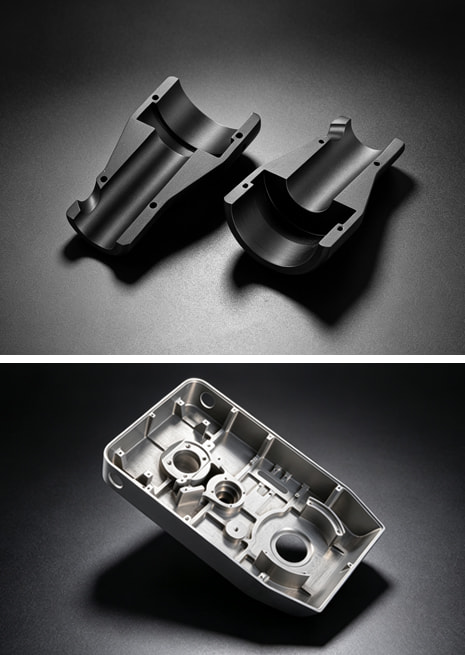
Two representative parts shown with this category are our Precision Fluid Control Component and Precision Pneumatic Control Valve Body. Both combine turned, milled, and drilled features in one machined component, which is typical of fluid-power parts.
Component Families and Machining Focus
Although every part in this category is custom, most hydraulic and pneumatic components fall into a few functional families. The machining focus changes with the component's role in the system.
| Component family | Typical function | Primary machining focus |
|---|---|---|
| Valve bodies and manifolds | Direct fluid flow and mount valve elements | Port positions, sealing pockets, thread forms, flatness |
| Spools, plungers, pistons | Control flow or convert pressure into motion | Concentricity, cylindricity, surface finish, edge break control |
| Sleeves, bushings, spacers | Guide moving parts and maintain alignment | Bore tolerance, roundness, coaxiality |
| Fittings, connectors, adapters | Join lines and connect system elements | Thread class, sealing surfaces, hex geometry |
| Cylinder components | Contain pressure and transfer force | Concentric features, sealing grooves, surface quality |
The right process route depends on the component's function. A valve body is usually milled and drilled from bar or blank material; a spool is turned, ground, and finished with controlled edge breaks. We plan each operation to protect sealing surfaces and maintain datum relationships.
Turning, Milling, and Grinding Fit
Our facility houses dozens of high-precision 3-axis, 4-axis, and 5-axis CNC machining centers, plus precision grinding machines. This equipment base allows us to handle both rotational components and complex prismatic parts within one production flow.
- CNC turning for diameters, bores, threads, grooves, and sealing seats
- CNC milling for ports, pockets, flats, mounting faces, and cross holes
- Precision grinding for close-tolerance sliding and sealing diameters
- Module assembly when the project includes multi-part subassemblies
Many hydraulic and pneumatic components require a combination of these processes. For example, a pneumatic valve body may need milled mounting faces, drilled and tapped ports, and a precisely machined bore for the spool. Depending on the part geometry and drawing requirements, we can produce these features in a single process flow using CNC turning and milling, backed by grinding and CMM inspection.
Materials and Specification Considerations
Material selection for hydraulic and pneumatic components is usually driven by working pressure, media compatibility, temperature, and operating environment. Typical material groups in this product category include aluminum alloys for lightweight valve bodies and manifolds, stainless steels for corrosion-resistant and hygienic applications, brass or copper alloys for fittings and small valve parts, and alloy steels for wear-resistant spools, pistons, and shafts. If the drawing does not fix the material grade, we confirm the material route with the customer before production.
Critical specification factors that affect machining feasibility and cost include:
- Bore diameter, depth, and coaxiality requirements
- Surface finish on sealing and sliding diameters
- Thread class, position tolerance, and port configuration
- Edge condition at port intersections and deburring requirements
- Flatness of mounting and sealing faces
- Cleanliness of internal passages and weld-free assembly details
Quality Assurance and Inspection
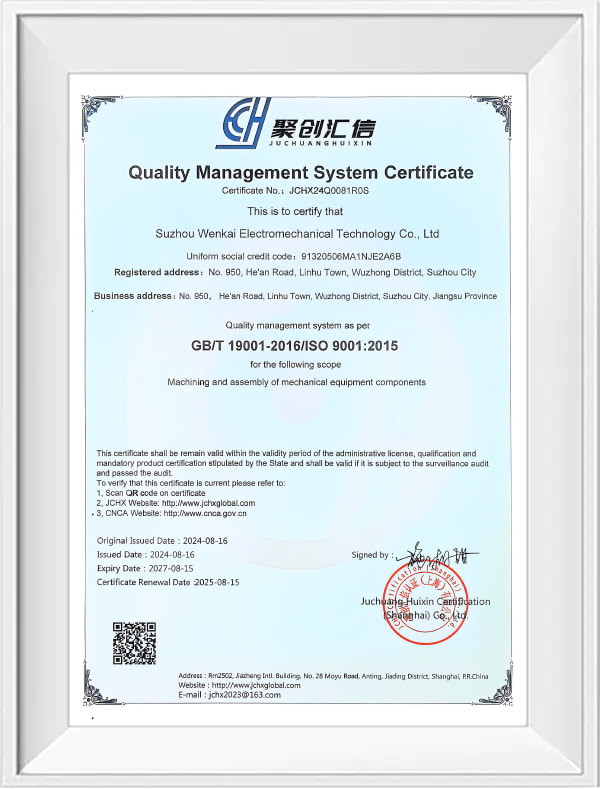
We operate an ISO 9001:2015 quality management system and a full-process inspection system that covers incoming material, in-process production, and final outgoing product. Our inspection equipment includes three CMMs, precision height gauges, and vision measuring machines.
For hydraulic and pneumatic components, inspection focuses on features that affect leak-free performance: sealing diameters, thread quality, port intersections, and internal cleanliness. This is particularly important for valve bodies and fluid control components where a small deviation can change flow behavior or create leakage.
Prototype and Batch Production
Many fluid-power projects start with a prototype to verify port locations, O-ring groove dimensions, and assembly fit before production. We support prototype machining, small-batch production, and drawing- or sample-based custom machining. For larger quantities, the same process plan and inspection setup can be repeated to maintain consistency across batches.
For projects that require close tolerance control or non-standard geometries, our Custom CNC Machining service covers process planning, material review, and production from drawings or samples.
Information We Use to Configure Your Solution
To prepare a process plan and quotation for hydraulic and pneumatic components, we need the following project information:
- 2D drawing in PDF, DXF, or paper form; 3D model in STEP or IGES where available
- Material grade and condition, such as bar, forging, or cast blank
- Critical tolerances, surface finish requirements, and thread standards
- Port sizes, sealing method, and any assembly requirements
- Estimated annual quantity and batch size
- Required material certificates, inspection reports, or other compliance evidence
- Application environment and working medium
If only a sample is available and no drawing exists, we can work from the sample to define the required dimensions and process route. The earlier these details are shared, the more accurate the quotation and the lower the risk of misinterpretation during production.
Hydraulic & Pneumatic Components Manufacturer FAQ
Do you machine hydraulic and pneumatic parts from drawings, 3D models, or samples?
We machine from drawings, 3D models, and physical samples. If a drawing is incomplete or a feature is unclear, our technical team identifies the critical dimensions and agrees on the process before production starts.
Can you combine turning, milling, and grinding in one component?
Yes. Many fluid-control parts require turned diameters, milled flats, cross-drilled ports, and ground sealing surfaces. We plan the sequence to hold concentricity and protect critical features throughout machining.
Can you handle prototype and low-volume production?
Yes. We support small-batch prototype machining and custom machining from drawings or samples. This is useful for validating port positions, seal groove dimensions, and assembly fit before moving to larger quantities.
How do you verify precision on valve bodies and similar fluid-power parts?
Our inspection system uses CMMs, precision height gauges, and vision measuring machines, with full-process quality control from incoming material to final outgoing product. We focus on sealing diameters, thread quality, port intersections, and internal cleanliness.
Which industries do you supply precision components to?
Our precision components are used in medical equipment, photovoltaic new energy, automotive components, aerospace, semiconductors, food machinery, and environmental protection equipment. We adapt material selection, tolerances, and process planning to the specific end-use conditions of each project.
What should be included in an inquiry for hydraulic or pneumatic components?
A drawing or sample, material specification, critical tolerances, surface finish requirements, thread standards, estimated quantity, and any assembly or inspection requirement. With this information, we can prepare a process plan and quotation.



