

 English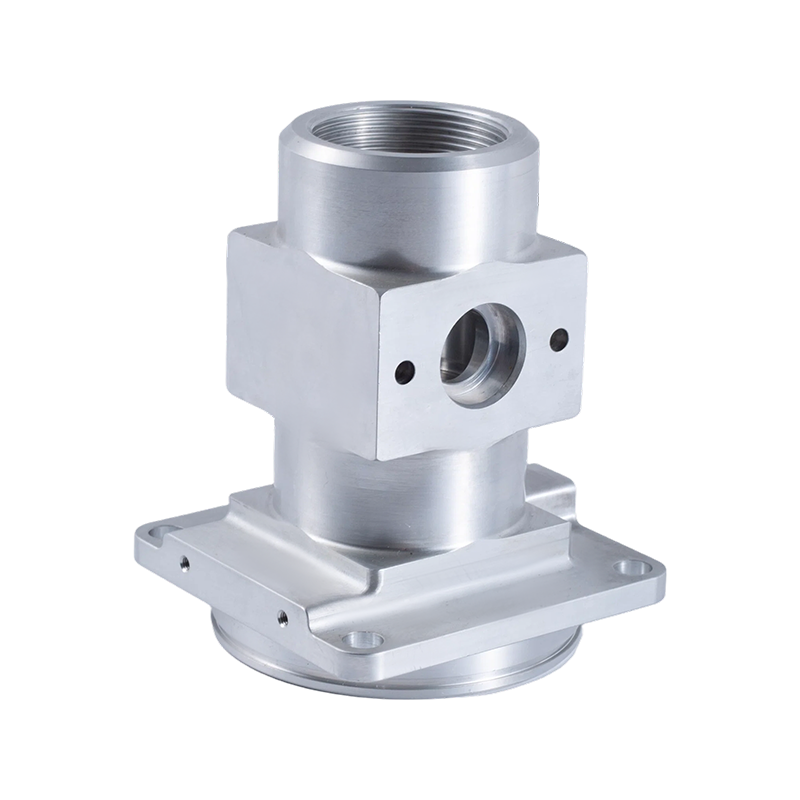
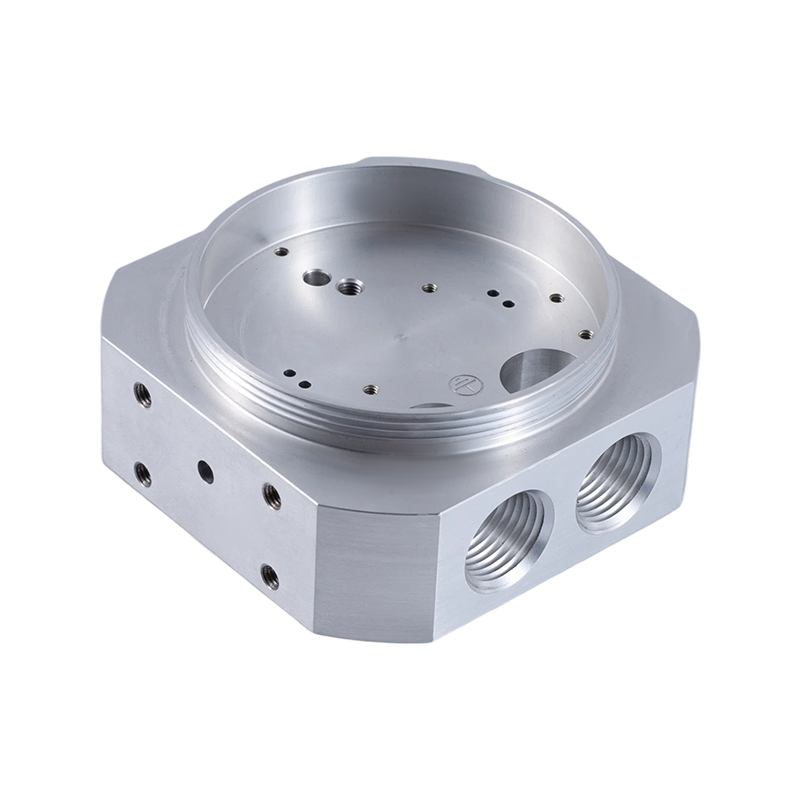
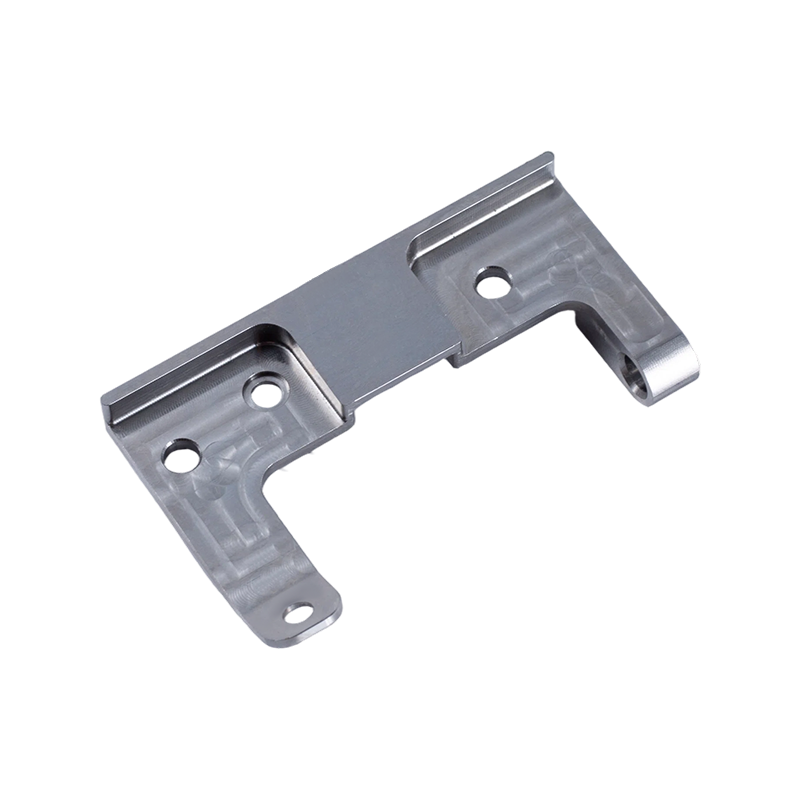
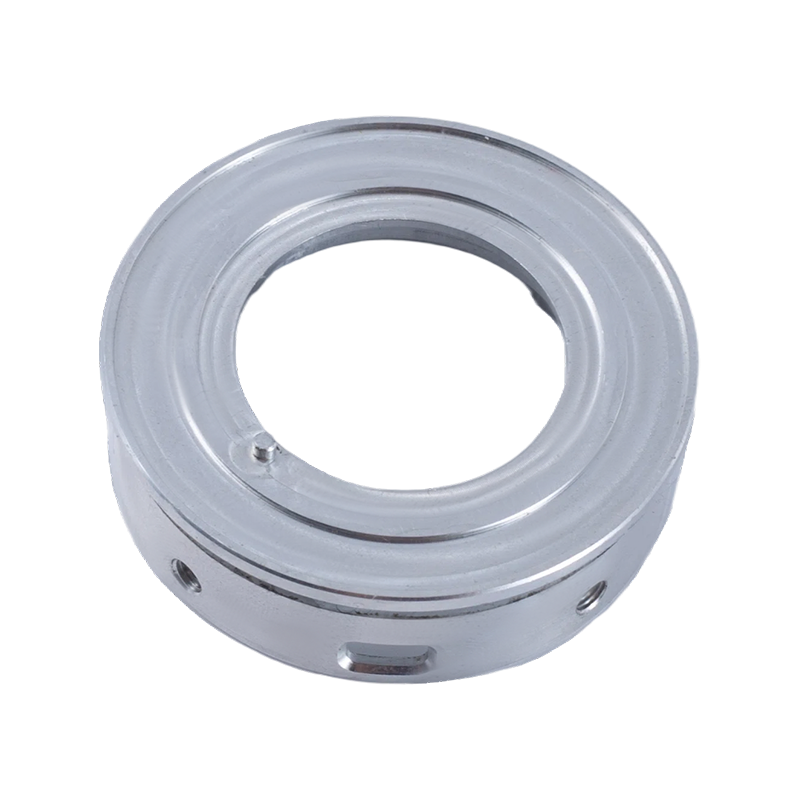


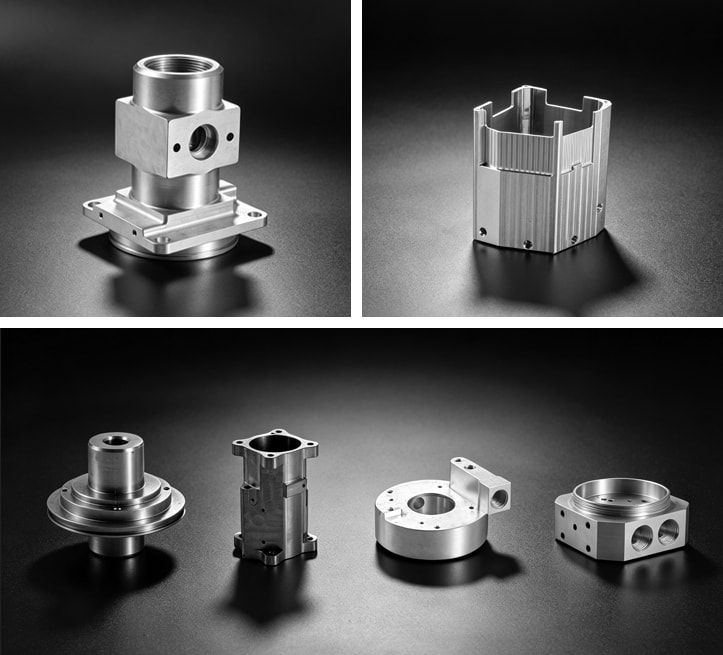
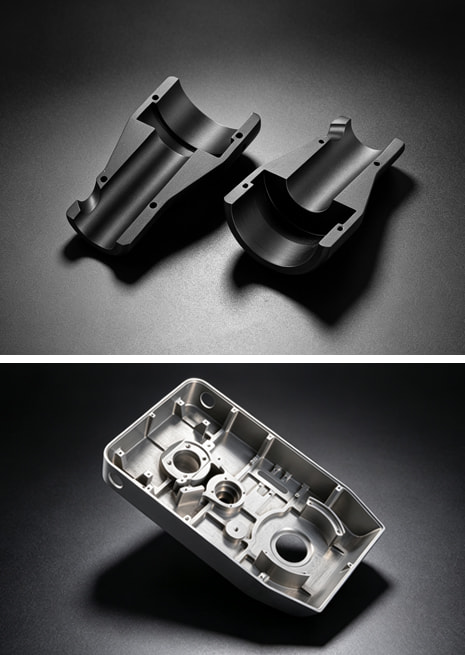
At Suzhou Miaocheng Precision Machinery Co., Ltd., we operate as a China-based Precision Medical Device Components manufacturer and supplier. Within the Industry CNC Components range, this category covers machined parts used in medical devices and medical equipment assemblies. These are custom components produced to customer drawings or samples, not catalog items. Depending on the part, a single project can combine CNC turning, CNC milling, multi-axis machining, grinding and module assembly under one controlled manufacturing plan.
What This Category Covers
Our precision medical device component work spans both turned and milled parts, plus drawing- or sample-based custom machining. The best starting point depends on the part geometry, the critical dimensions and the quantity you need to validate or supply.
- CNC Turning Parts — shafts, bushings, sleeves, threaded joints and connectors, micro precision turned parts, and valve and fluid control turned parts.
- CNC Milling Parts — housings and enclosures, brackets and mounting plates, and complex multi-hole milled parts.
- Custom CNC Machining — components produced from drawings or samples, small-batch and prototype machining, and projects requiring ultra-high precision tolerance control.
Which Medical Device Components Fit This Category
The following table shows common component families and how we normally approach them. It is a starting point; the machining route is always confirmed from the drawing and the functional requirements.
| Component family | Typical features | Process fit |
|---|---|---|
| Minimally invasive surgical instrument components | Slender shafts, small diameters, threads, flats and controlled edge breaks | CNC turning with milling for secondary features |
| Precision shafts and guide pins | Stepped profiles, concentric diameters, tight cylindrical tolerances | CNC turning, plus grinding where the drawing requires it |
| Valve and fluid control bodies | Cross-drilled passages, precision bores, sealing faces, threaded ports | Combined turning and milling with multi-axis positioning |
| Housings and enclosures | Pockets, mounting holes, alignment features, wall-thickness control | 3-, 4- and 5-axis CNC milling |
| Threaded joints and connectors | Internal and external threads, hex forms, defined length tolerances | CNC turning with thread inspection |
| Micro turned parts | Very small diameters, short lengths, fine surface requirements | High-precision CNC turning |
Material and Specification Considerations
The material grade is normally defined by the device design, the operating environment and the required mechanical behavior. Typical material families for these components include stainless steels, titanium and nickel alloys for strength and corrosion resistance, aluminum alloys for lightweight parts, and engineering plastics where weight or non-conductivity is a priority.
From a machining standpoint, the most important specifications are the functional features rather than only the overall shape. Concentric diameters, thread position and class, sealing faces, pressed-fit surfaces, edge conditions and surface finish all affect how the component behaves in the final assembly.
- Tolerances and datum references — critical when a component mates with another instrument part.
- Surface finish requirements — affect final performance and cleaning behavior.
- Edge condition and burr standard — important for hand-held instruments.
- Material hardness and heat-treatment state — influence tooling and finishing decisions.
Manufacturing Capability and Production Planning
Our production base is located in Suzhou, Jiangsu, China. Founded in 2012, the company operates a standardized facility of over 2,000 square meters with more than 50 employees, including core technical personnel and dedicated quality-control staff. The plant is equipped with dozens of high-precision 3-axis, 4-axis and 5-axis CNC machining centers, plus precision grinding machines. This setup provides broad processing coverage for high-precision, high-difficulty non-standard components and supports full-process manufacturing from roughing to finishing.
Production planning is configured around the geometry. Some components are best started by turning and then completed with milling of flats or cross holes; others require multi-axis milling for the main body and internal features. Grinding can be added when the drawing calls for tight cylindrical tolerances. We use this flexibility to choose the most stable route for the part, not to force it onto a single machine type.
For a new component, prototype and small-batch machining is often the first step. This lets you validate dimensions, assembly fit and surface quality before committing to a larger production quantity.
Quality Assurance and Inspection Approach
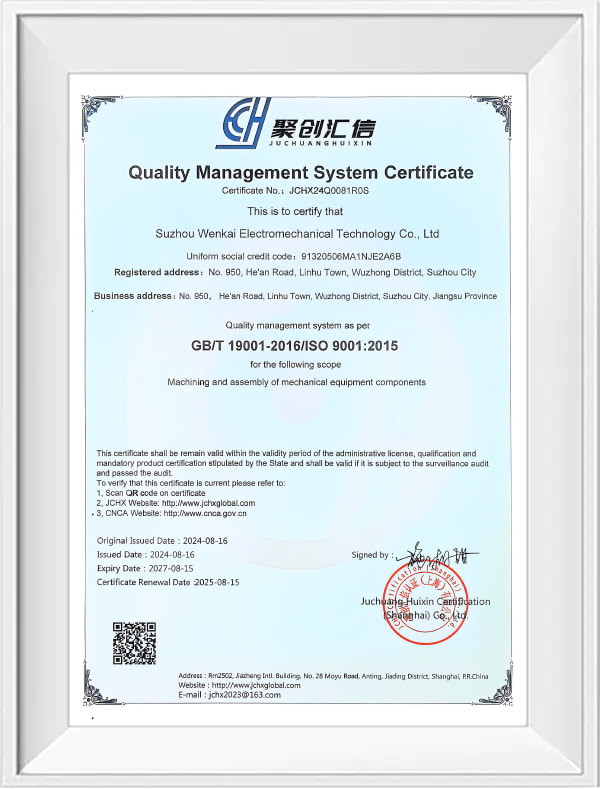
Quality control is built into the production flow rather than concentrated only at final inspection. Our quality system is ISO 9001:2015 certified, and we apply a full-process inspection procedure from raw material verification through in-process control to final outgoing checks.
- 3 CMM units for coordinate measurement and feature verification.
- Precision height gauges and vision measuring machines for dimensional control.
- Closed-loop quality management to support repeatability across batches.
For medical device components, dimensional verification is feature-based. We focus inspection on functional diameters, sealing faces, thread positions and critical assembly surfaces, using the tolerances shown on the drawing as the inspection reference.
Customization, Assembly and Project Support
Most work in this category is non-standard. Customers come to us with a specific medical device component, a material requirement and an expected performance, and we turn that into a machining and inspection plan.
- Drawing- and sample-based machining — a 2D drawing, a 3D CAD model, or a physical sample with key measurements can be the basis for quotation and production.
- High-difficulty geometries — multi-axis machining and combined turning/milling operations allow complex forms without splitting the part across multiple suppliers.
- Module assembly — our scope includes precision component processing and module assembly, so we can coordinate machined components and simple assembly requirements in one project.
Information We Use to Prepare Your Proposal
To prepare a configuration and quotation, please provide:
- 2D drawing with critical dimensions, tolerances and datum references, or a 3D model in STEP/IGES.
- Material grade and material standard, if the drawing does not specify it.
- Surface finish, thread class, edge condition and special quality requirements.
- Order quantity, annual volume, and whether you need prototype, small-batch or serial production.
- Packaging, marking and delivery requirements.
- Target schedule and any existing supplier constraints.
For sample-based requests, include the sample or key measurement data so we can define acceptance criteria.
Frequently Asked Questions
Can you machine both turned and milled features on a medical device component?
Yes. We plan the routing according to the drawing, combining turning, milling and multi-axis operations as needed. Because the factory also has precision grinding and module assembly capabilities, we can keep the complete production flow under one project.
Do you accept prototype or small-batch medical component orders?
Yes. Our custom CNC machining program includes small-batch and prototype machining. This is useful for design validation, assembly testing and process qualification before larger quantities.
What do you need from us to quote a precision medical device component?
A drawing or 3D model with material, quantity and critical tolerance requirements. If the part is requested from a sample, share the sample and any relevant measurement data so we can confirm the inspection method.
How do you verify dimensional quality?
We use an ISO 9001:2015 quality system and a full-process inspection procedure. Our inspection equipment includes CMMs, precision height gauges and vision measuring machines, and we control inspection around the drawing's critical dimensions.
Can you supply machined components with assembly?
Yes. We describe our scope as precision component processing and module assembly, so we can coordinate finished parts and simple assembly requirements in one project.



