

 English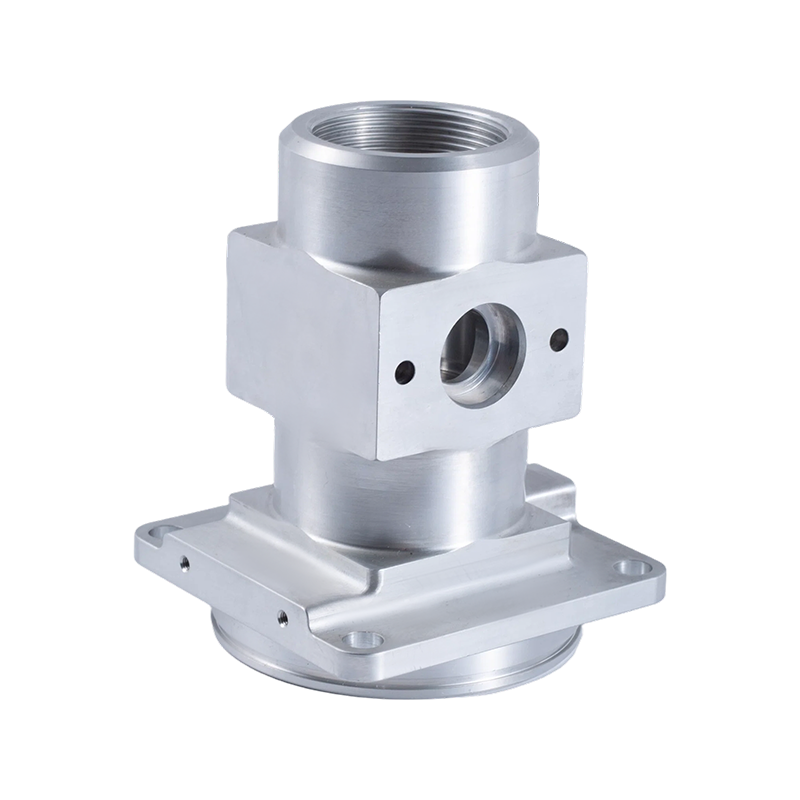
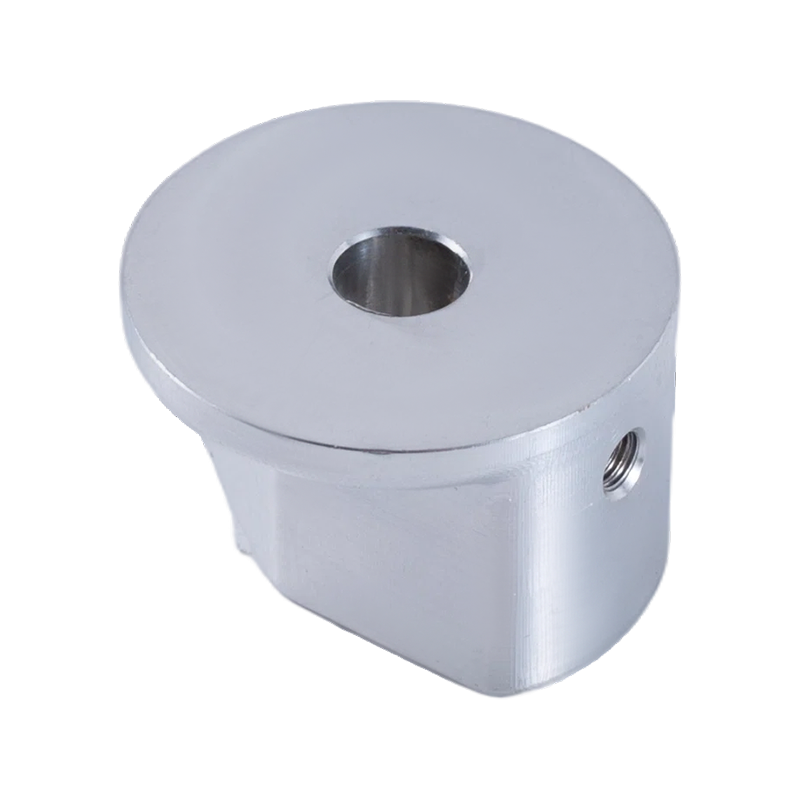



Small-Batch Prototype Machining for Product Development and Low-Volume Production
Suzhou Miaocheng Precision Machinery Co., Ltd. operates as a CNC machining company in Suzhou, China, focused on precision component processing and module assembly. Our Small-Batch Prototype Machining service supports engineering teams that need physical parts before committing to serial production, as well as programs that require stable low-volume supply ahead of a full ramp.
Because we machine from drawings, CAD files, or customer samples, we can validate manufacturability early, adjust processes when geometry or material behavior differs from assumptions, and carry those refinements into follow-up batches. The result is a smooth transition from prototype validation to a repeatable machining process, rather than a separate handoff between a prototype shop and a production supplier.
Where Small-Batch Prototype Machining Fits
Short-run prototype machining is not just about making one sample. It is the stage where design intent, material selection, tolerance feasibility, and downstream assembly constraints are tested with real hardware. Typical uses include:
- Design verification and fit-check assemblies before tooling investment
- Functional testing of valve bodies, housings, shafts, and structural components
- Customer sample replication when only a physical part is available
- Initial low-volume batches for pilot lines, field trials, or market entry
- Process validation for materials or geometries that are difficult to machine
We support this work with dozens of high-precision 3-axis, 4-axis, and 5-axis CNC machining centers, plus precision grinding machines, so a prototype can be produced with the same type of process sequence planned for later volume. This reduces surprises when the design moves into larger quantities.
Part Geometry and Application Fit
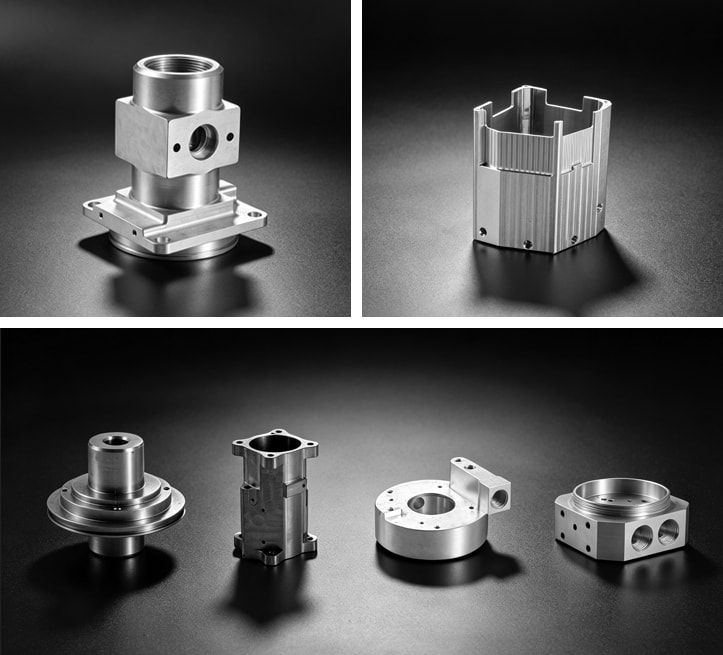
Small-batch prototype machining covers a broad range of geometries, from turned cylindrical parts to multi-axis milled housings. The right fit depends on your part's structure, critical features, and how it will be validated.
| Part Type | Typical Features | Prototype Considerations |
|---|---|---|
| Shafts and stepped cylindrical parts | Multiple diameters, threads, grooves, keyways, press-fit zones | Concentricity between turned sections and machined flats; grinding may be needed after heat treatment |
| Bushings, sleeves, spacers | Bores, flanges, lubrication features, thin-wall sections | Wall-thickness stability and bore roundness; clamping distortion is a risk in thin-wall prototypes |
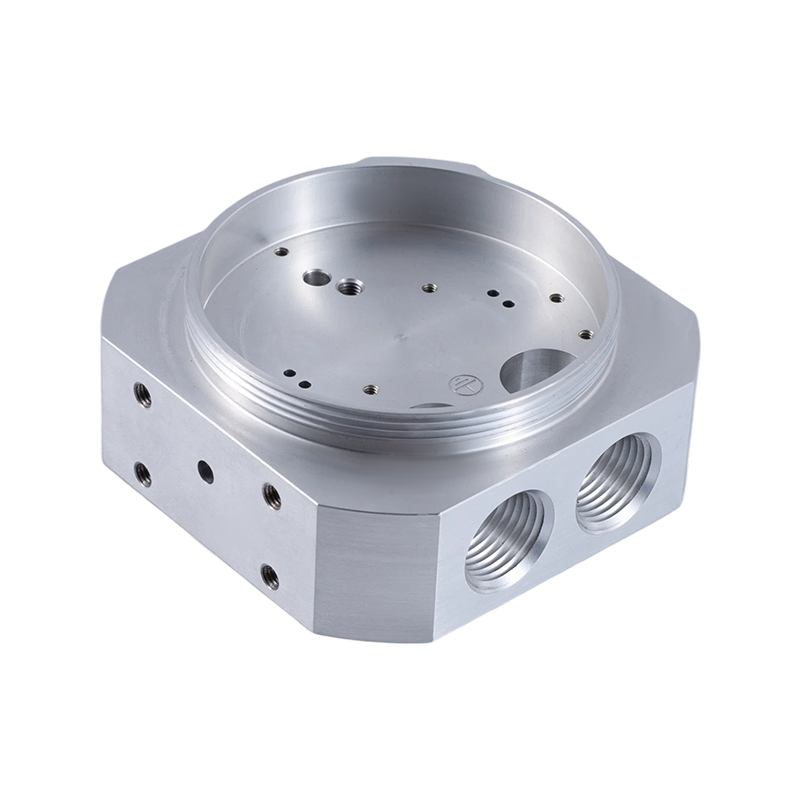
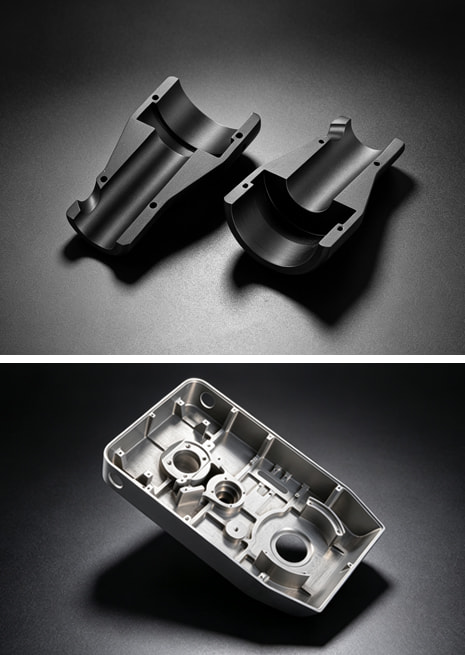
| Housings and enclosures | Pockets, bosses, mounting holes, sealing faces, complex contours | Multi-axis positioning reduces setups and improves datum-to-feature consistency |
| Valve and fluid-control components | Precision bores, sealing surfaces, thread ports, cross-drilled passages | Functional testing may require controlled surface finish and edge condition inside fluid passages |
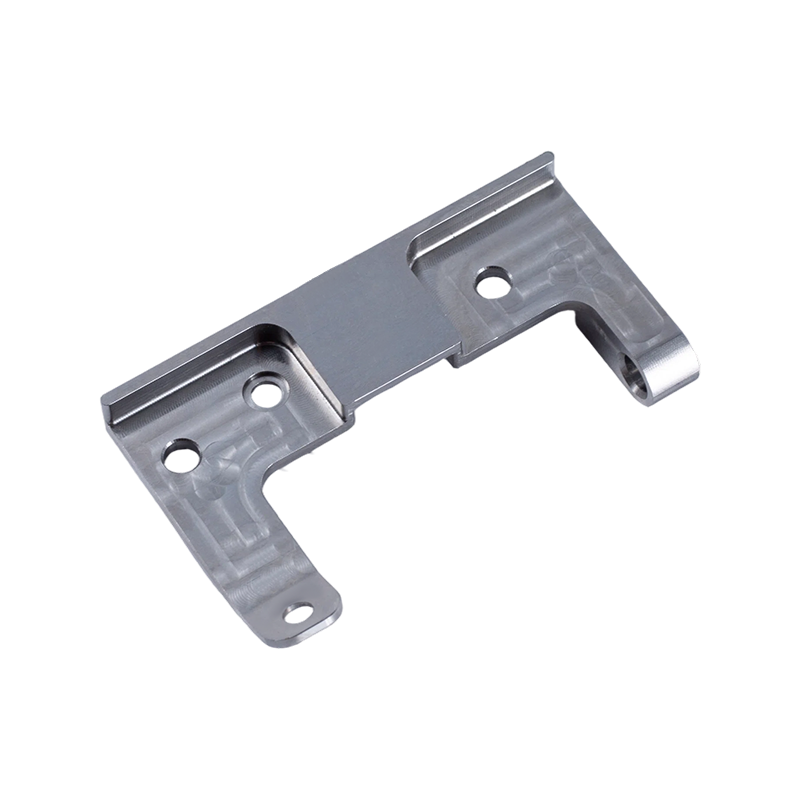
| Brackets, mounting plates, structural parts | Hole patterns, slots, lightening pockets, datum surfaces | Flatness and hole-position relationships affect assembly fit in multi-part modules |
For more specialized geometries, our CNC Turning Parts and CNC Milling Parts pages show the component families we produce in regular production. In the prototype stage, the same turning and milling resources are applied to your specific drawing or sample.
Materials and Machinability
We machine non-standard precision components across common engineering alloys as well as more difficult materials. For prototypes, material behavior is often the largest unknown, especially when the final production material has not yet been fixed.
- Aluminum alloys for lightweight housings, brackets, and thermal-management parts
- Stainless steels for medical devices, food machinery, and corrosive environments
- Alloy steels for shafts, gears, and structural components requiring strength or wear resistance
- Engineering plastics where electrical insulation, weight, or chemical resistance is required
- Copper alloys and specialty materials for electrical or fluid-control applications
If a prototype drawing requires exotic alloys, we assess machinability, tooling strategy, and achievable surface finish before quoting. The goal is to identify risks early so the prototype is a valid representation of the production part, not just a visual model.
Machining Approach for Prototype and Small-Batch Runs
Prototype machining requires a different mindset from high-volume production. Setup time, tooling cost, and inspection effort must be balanced against the need for representative accuracy and surface quality.
Our approach includes:
- Process planning based on the drawing, material, and critical dimensions
- Selection of 3-axis, 4-axis, or 5-axis machining to minimize setups and hold complex datum relationships
- In-process inspection so errors are caught before finishing operations
- Precision grinding when roundness, surface finish, or tight tolerances require it
- Adjustment of feeds, speeds, and tool paths when the first article reveals material or rigidity issues
For parts that will later be produced in higher volume, we can also document the prototype process and use it as the basis for a production quotation. That gives you a supplier who understands both the development stage and the eventual production requirement.
Quality Assurance and Inspection
Quality control for small-batch prototype machining must verify that the sample represents the drawing, not just that the machine produced a part. Our facility uses three coordinate measuring machines (CMMs), precision height gauges, and video measuring machines for dimensional verification.
We apply closed-loop quality control from incoming material verification through in-process production to final outgoing inspection. For prototype orders, this means critical dimensions are measured and reported, so your engineering team can make decisions with confidence.
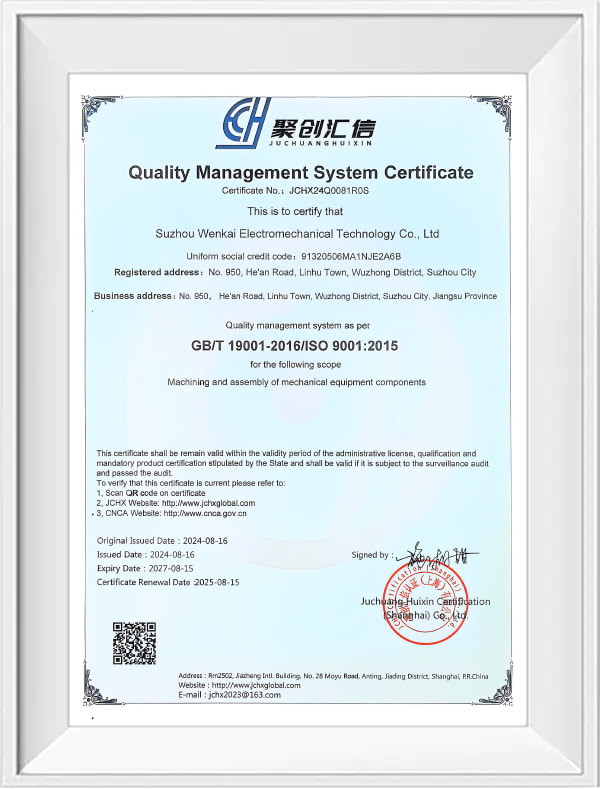
The company is ISO 9001:2015 certified, with standardized procedures covering production and inspection. Whether you need a single first article or a small batch with full reporting, inspection data is available to support your internal review.
From Drawings, Samples, and Existing Designs
Not every prototype project starts with a complete CAD model. Some customers supply a legacy part, a competitor sample, or a rough concept that needs to be reverse-engineered into a machinable component. As a Small-Batch Prototype Machining manufacturer, we work from drawings, samples, or a combination of both.
When a drawing is available, we clarify tolerances, surface finish, material grade, and any coatings or secondary operations. When only a sample exists, we evaluate which features are critical and which can be interpreted, then confirm the approach before machining.
Our broader Custom CNC Machining range also includes drawing-based custom machining and ultra-high precision tolerance work, so a small-batch prototype can later move into the service model that fits your project phase.
Project Support and Integration
We provide more than standalone machining. The company performs module assembly and offers full-process manufacturing from roughing to finishing, which is valuable when a prototype is actually a small assembly or when machined parts must fit together with purchased components.
Our technical team includes 15 core technical personnel and 8 professional quality-control staff, allowing us to support design-for-manufacturability discussions, material selection, and tolerance review before production starts. For overseas customers, Suzhou Miaocheng Precision Machinery Co., Ltd. is the export-facing entity, working closely with its integrated domestic service counterpart in Suzhou.
Information We Use to Prepare Your Prototype Proposal
To give an accurate quotation and machining plan, we need a clear picture of your requirement. The following information helps us respond quickly and with fewer clarification rounds:
- 2D drawing with dimensions, tolerances, and surface-finish callouts, or a 3D CAD model in STEP/IGES format
- Material grade and condition, or a physical sample if the material is unknown
- Order quantity and whether this is a one-time prototype or the first of several batches
- Critical features that will be validated, such as mating diameters, sealing surfaces, or hole patterns
- Required coatings, anodizing, passivation, or other secondary processes
- Inspection and reporting requirements, such as a full CMM report or a simple material certificate
We use this information to select the appropriate CNC process, plan the setup sequence, estimate machining time, and identify quality risks before metal is cut.
Frequently Asked Questions
What quantities do you consider small-batch prototype machining?
There is no fixed number. A small batch can be one validation part, a handful of samples for assembly testing, or a few dozen units for pilot production. We assess quantity together with geometry and material to recommend the most economical machining approach.
Can you machine from a physical sample without drawings?
Yes. When a drawing is not available, we can work from a sample by evaluating its critical dimensions and features, then confirm the interpretation with you before machining. For complex parts, we may recommend creating a CAD model from the sample to ensure consistent inspection.
How does a prototype order transition into larger production?
After the first article is approved, we document the stable process and can quote follow-up batches using the same CNC programs, tooling strategy, and inspection plan. This reduces variation as your project moves toward serial production.
What inspection data can you provide?
We provide dimensional inspection reports based on the drawing requirements, with CMM measurement for critical features. The scope of reporting can be matched to your project stage, from a simple first-article check to a full dimensional report.
What industries use your small-batch prototype machining service?
Our customers operate in medical equipment, photovoltaic new energy, automotive, aerospace, semiconductors, food machinery, and environmental protection equipment. Across these sectors, the common need is precision parts that function correctly in real assemblies and survive the transition into larger-volume supply.



