

 English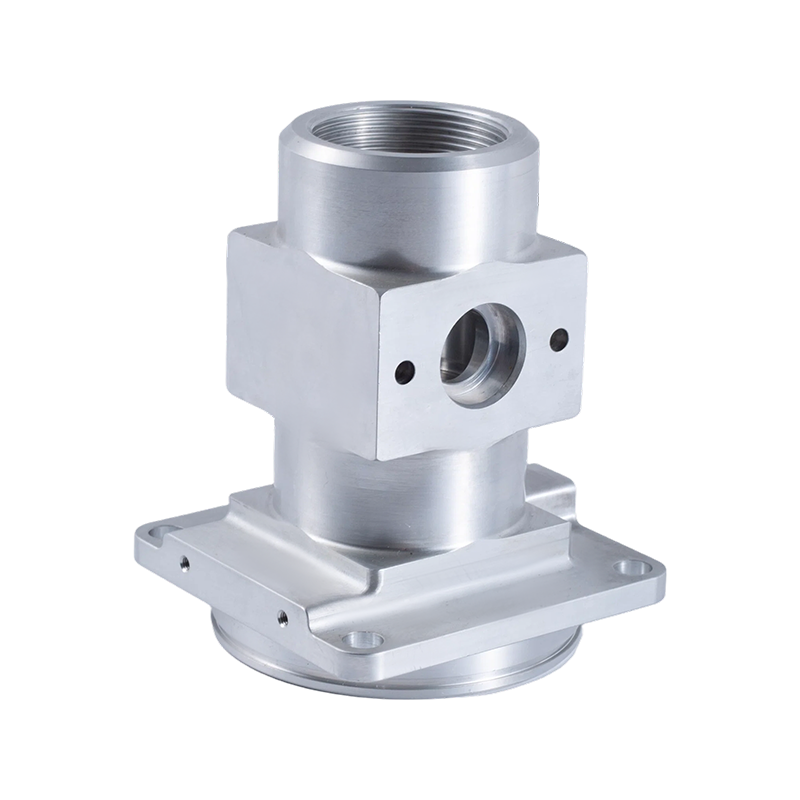
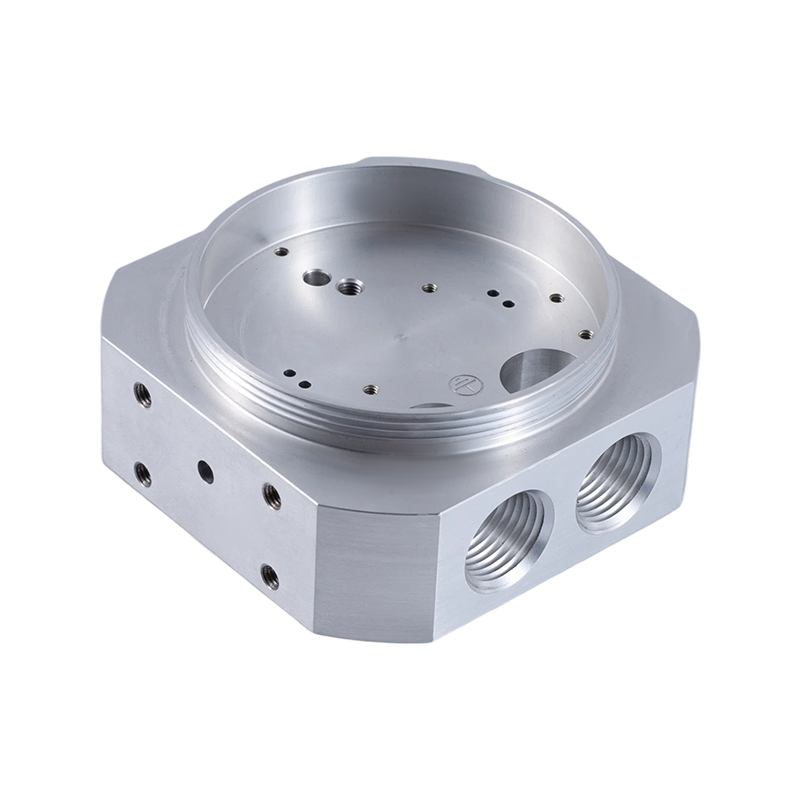
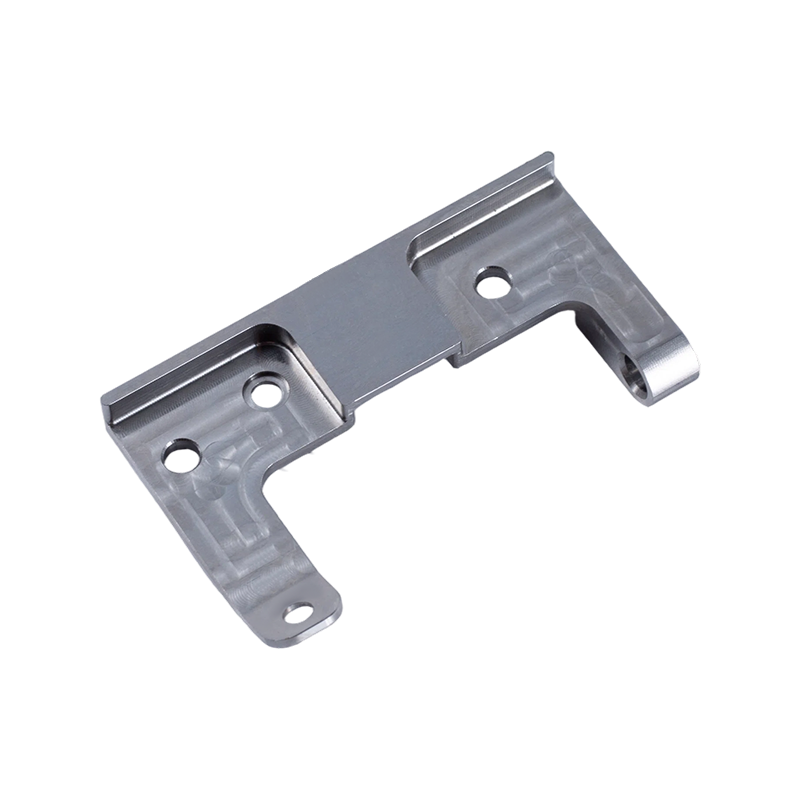
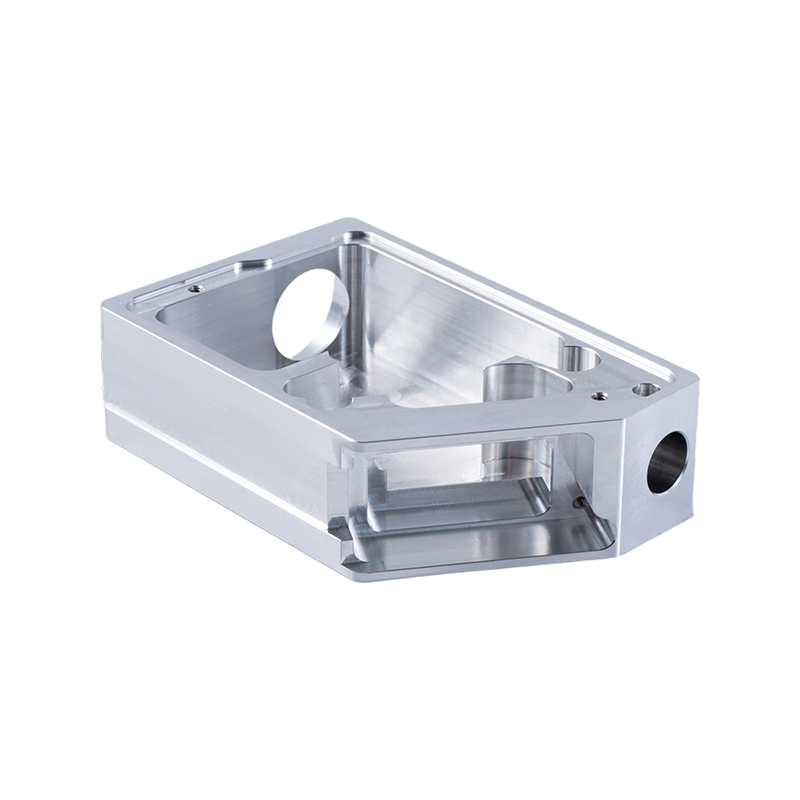


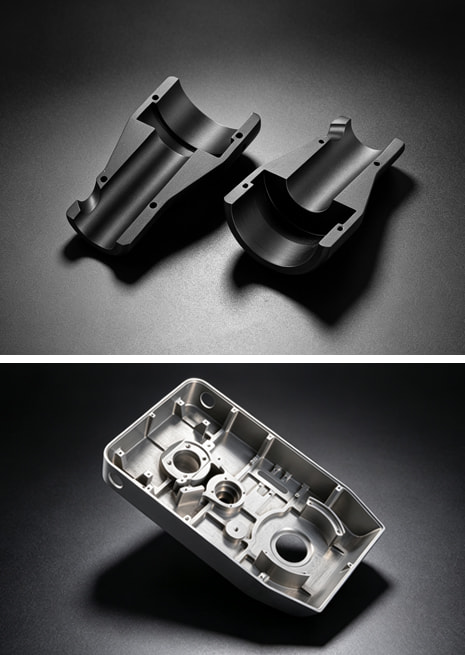
Precision CNC Milling Parts from Our Suzhou Factory
Suzhou Miaocheng Precision Machinery Co., Ltd. is a China-based CNC Milling Parts manufacturer established in October 2012 in Wuzhong District, Suzhou. The company specializes in precision component processing and module assembly, with a 2,000-square-meter factory, more than 50 employees and dozens of high-precision 3-axis, 4-axis and 5-axis CNC machining centers.
We produce milled components for medical equipment, photovoltaic new energy, automotive, aerospace, semiconductor, food machinery and environmental protection equipment. Because the same equipment base handles roughing, finishing and inspection, we can support a component from prototype validation through small-batch and production supply without changing suppliers.
CNC Milling Parts Range and Application Fit
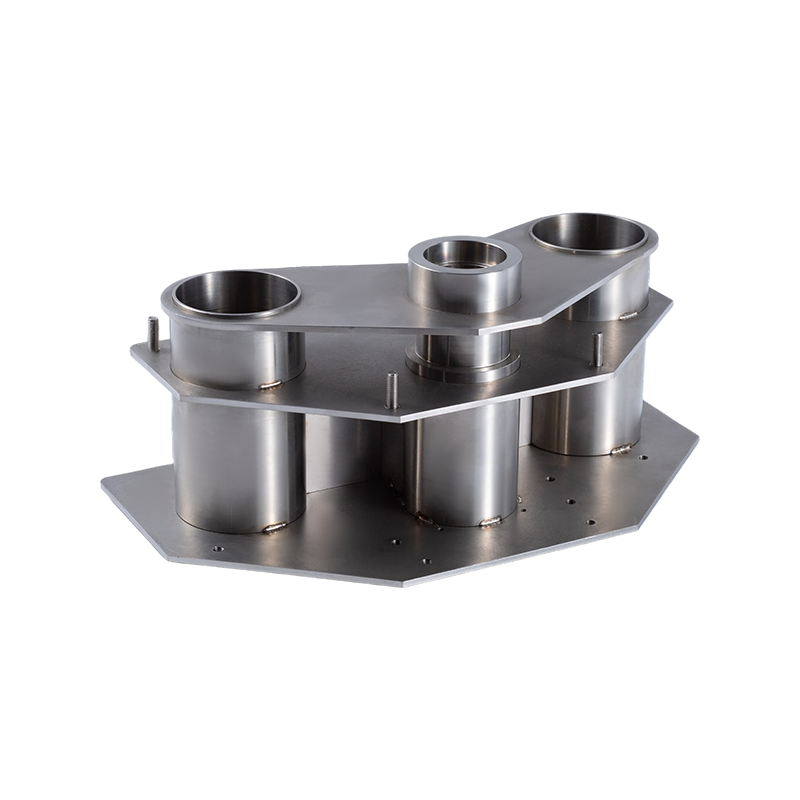
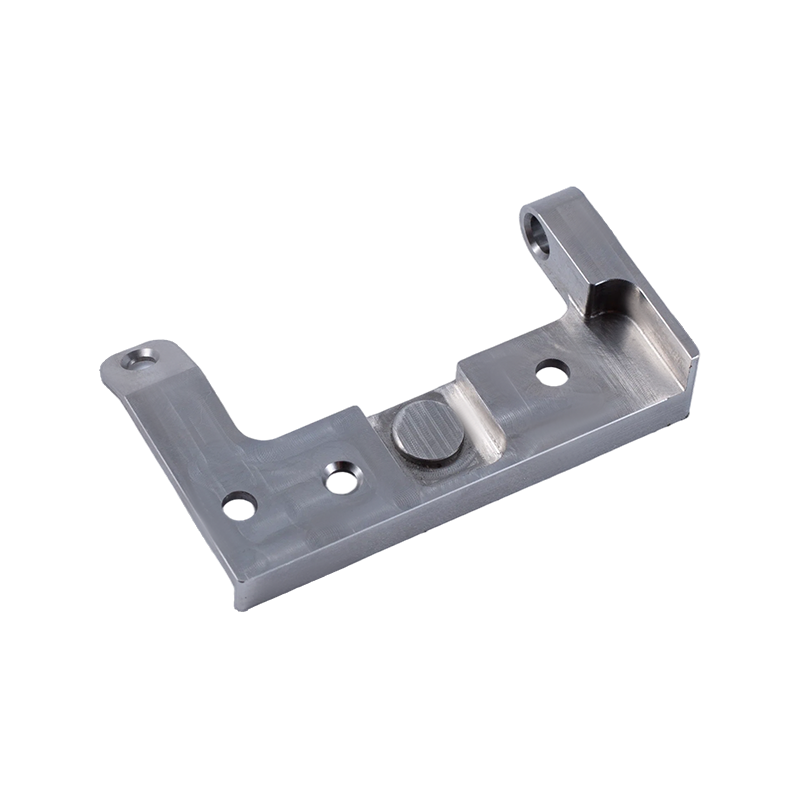
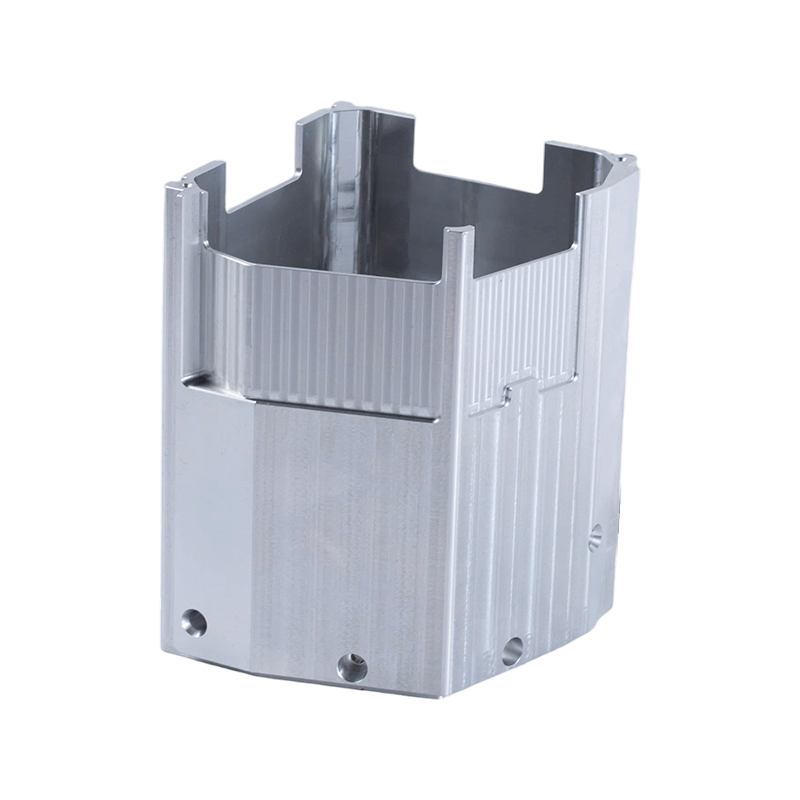
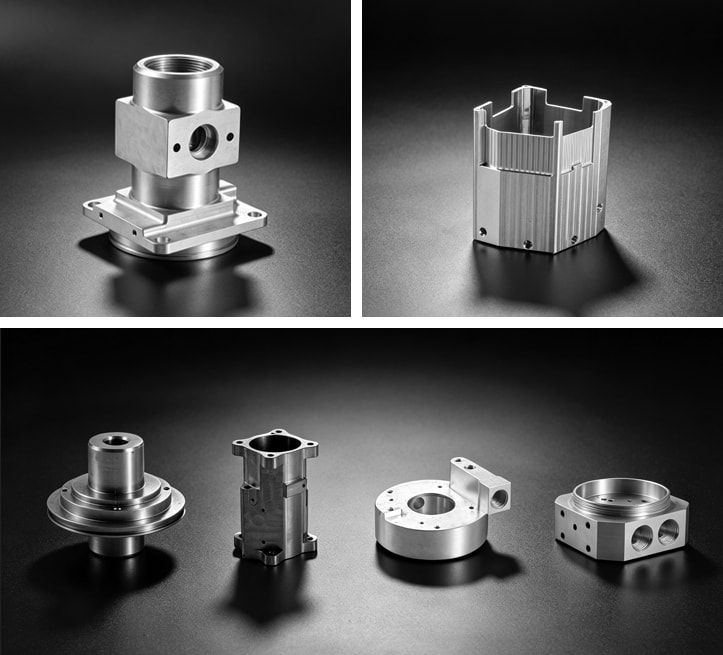
All parts in this category are non-standard and produced to customer drawings, samples or 3D models. We organize the category into five product families so the machining strategy, fixture approach and inspection scope can be aligned from the first quotation.
| Product Family | Typical Parts | Application Fit |
|---|---|---|
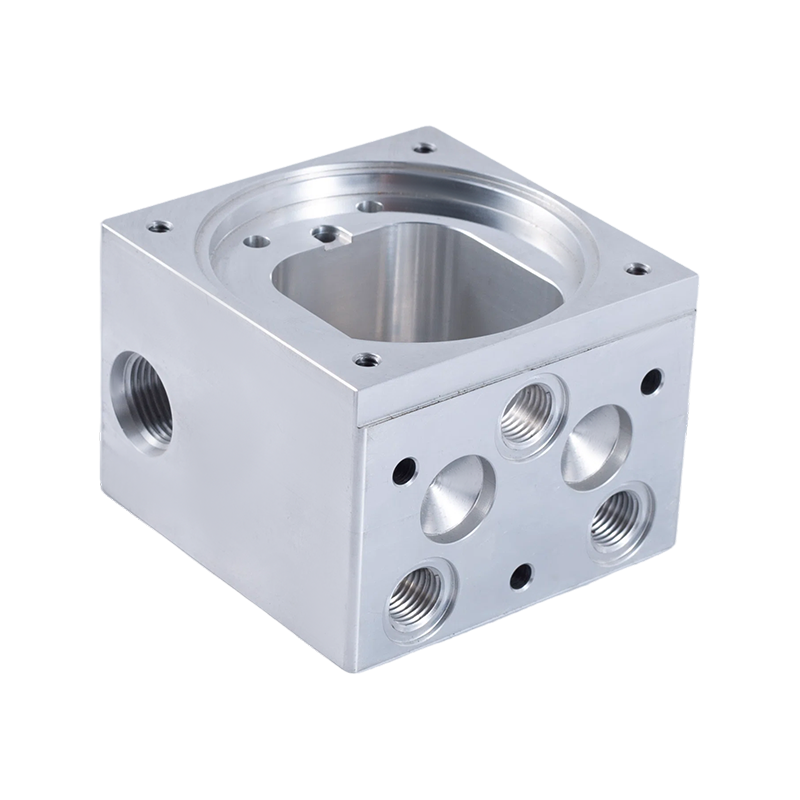
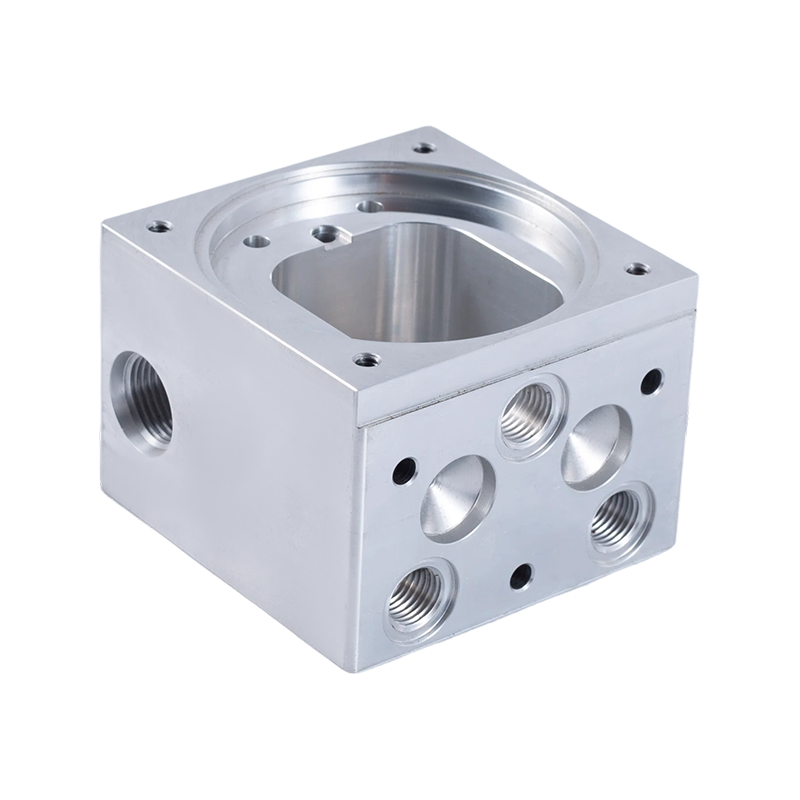
| Precision Housings & Enclosures | Instrument enclosures, sensor housings, 5G RF cavities, heavy-duty mounting bases | Electronic instruments, communication equipment and industrial devices that require accurate cavity geometry, sealing faces and consistent assembly fit |
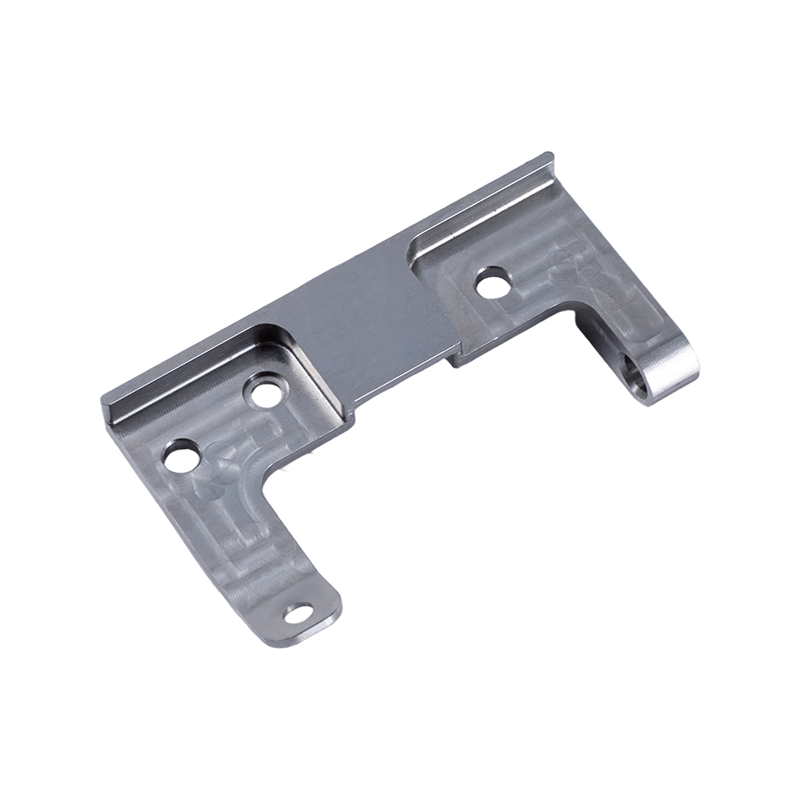
| Brackets & Mounting Plates | High-rigidity mounting brackets, multi-hole connector plates, equipment bases | Structural positioning and support in automation equipment, vehicle assemblies and energy systems |
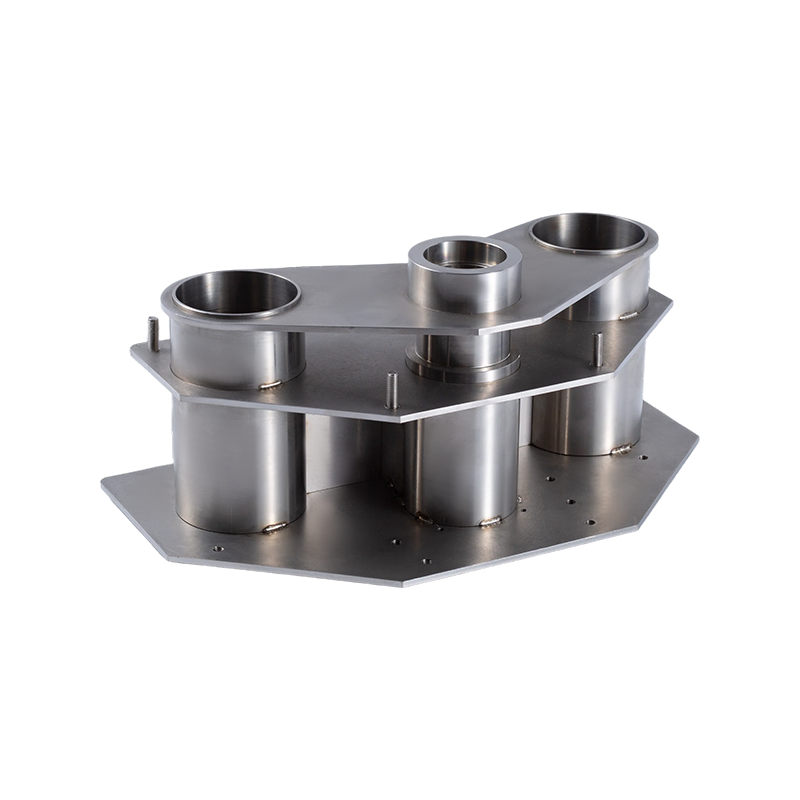
| Complex Multi-Hole Milled Parts | Integrated multi-cavity structural components, multi-hole structural connector plates | Prototype and low-volume parts with many machined holes, cavities and accurate feature-to-feature relationships |
| Transmission Gear Components | Transmission-related milled components, gear housing parts | Drive and transmission assemblies where bore positions, mounting faces and housing geometry must be precisely controlled |
| Tooling & Fixture Parts | Inspection and positioning tooling base plates, fixture parts | Production and quality tooling requiring stable reference surfaces, flatness and repeatable locating features |
Part Geometry and Milling Feasibility
CNC milling is the right process when the part is prismatic rather than rotationally symmetric: its function depends on machined faces, pockets, holes, slots and contours. Components with features on multiple faces, angled holes, precise hole patterns or thin-wall structures are typical milling candidates, while rotationally symmetric parts such as shafts and bushings belong in CNC Turning Parts.
Features that influence machining strategy and cost
- Hole patterns and positional tolerance. Counterbored, countersunk and tapped hole patterns are common in housings and mounting plates. When hole-to-hole or hole-to-datum tolerances are tight, we mill rather than drill selected holes and inspect the pattern against the drawing's true-position callouts.
- Internal corners and radii. Every internal corner has a radius defined by the cutter. Specifying a practical minimum radius avoids extra finishing passes; where a sharp corner is functionally required, we discuss the options during the quotation stage.
- Deep pockets and cavities. Depth, width and the ratio between them affect tool deflection, chip evacuation and side-wall finish. We plan roughing and finishing sequences so that deep cavities remain dimensionally stable.
- Datum structure. A clear datum structure makes the part easier to machine and inspect. We use the same datums for machining set-ups and CMM inspection to prevent tolerance stack-up.
- Thin walls and rigidity. Thin-wall sections and large planar areas can vibrate or distort under cutting forces. Fixture design, tool path and finishing allowances are adjusted to keep the part within tolerance after the fixture is released.
For parts with angled holes, undercuts or continuously curved surfaces, we switch from 3-axis to 4-axis or 5-axis machining centers. Multi-axis machining reduces the number of set-ups, which improves feature-to-feature consistency and shortens delivery time for complex components.
Material Selection for Milled Components
Aluminum alloys are the most common choice for housings and structural milled parts because they combine machinability, light weight, thermal performance and a stable base for anodizing. Examples in our milled product range include a precision aluminum instrument enclosure, a precision sensor housing, a 5G communication RF cavity and an aerospace-grade lightweight alloy structural component.
Beyond aluminum, typical milling materials include stainless steels, alloy steels, copper alloys and engineering plastics. Material hardness, condition and thermal stability affect cutting parameters, tool life and achievable finish. For thin-walled or large-area parts, we also consider how fixture pressure and material stress will affect flatness after machining.
Dimensional Control, Inspection and Quality Assurance
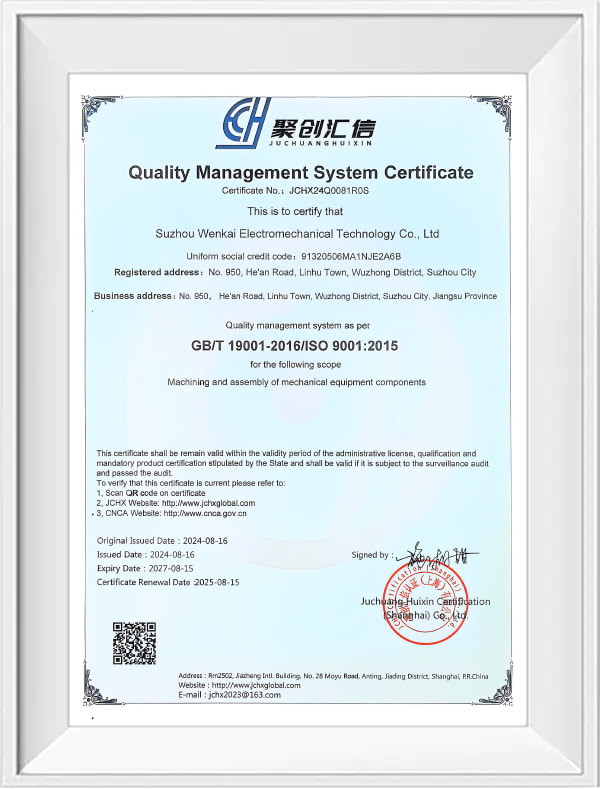
Milled parts are quoted and produced to the customer drawing, and our ISO 9001:2015 quality system covers the complete production chain. The inspection workflow is supported by three CMMs, precision height gauges and video measuring machines, with QC staff performing raw-material verification, in-process checks and final outgoing inspection. Surface finish is planned according to the drawing, with finishing passes and tool selection matched to the material and the functional face.
When a drawing requires very tight flatness, parallelism or bore tolerances, we can combine milling with precision grinding to finish critical faces. This is relevant for tooling base plates, fixture components and other parts where a stable reference surface is essential. Our full-process manufacturing from roughing to finishing, plus module assembly, lets us verify fit and function before parts leave the factory.
Prototype, Small-Batch and Series Production Support
A milled part often starts as a prototype before the design is frozen. Our Custom CNC Machining service includes custom machining from drawings/samples and small-batch prototype machining, so we can machine a few validation pieces, verify the process, and then scale to series production using the same programs and fixture strategy.
For production quantities, we adjust fixture design, tool selection, cutting parameters and inspection frequency according to batch size. This keeps small validation runs and larger production orders cost-effective while maintaining consistent quality across batches.
Information We Use to Prepare Your Quotation
To judge machinability, select the right machine configuration and prepare an accurate quotation, we normally need the following information:
- 2D drawing with dimensions, GD&T callouts and surface-finish notes
- 3D model in STEP, IGES or an equivalent neutral format
- Material grade and condition for the workpiece
- Quantity per order and annual volume
- Critical tolerances and features that require special inspection
- Finish requirements such as anodizing, plating or painting
- Reference sample if the part is defined by an existing component
- Assembly context when the part will be integrated into a module
If a drawing contains conflicting or incomplete information, we raise the issue during quotation rather than after tooling is committed. Our engineers propose solutions that satisfy the functional requirement while keeping the part manufacturable.
Frequently Asked Questions
What types of CNC milled parts does Suzhou Miaocheng produce?
We supply precision housings and enclosures, brackets and mounting plates, complex multi-hole milled parts, transmission gear components, and tooling and fixture parts. All are produced to customer drawings or samples, from single-piece prototypes to small-batch and production quantities.
Can you machine parts from a sample instead of a drawing?
Yes. Our custom machining from drawings/samples service covers parts defined by reference samples, parts that need reverse engineering, and components supplied only as a 3D model. The engineering team confirms geometry and critical dimensions before production.
How do you control quality on multi-feature milled parts?
We operate under ISO 9001:2015 with three CMMs, precision height gauges and video measuring machines. QC personnel perform incoming material verification, in-process inspection and final outgoing checks, so dimensional accuracy is documented at every stage.
Can you combine milling with turning and assembly?
Yes. In addition to CNC milling parts, we machine CNC Turning Parts such as shafts, bushings and connectors, and we provide module assembly. This allows a project to be coordinated across processes and delivered as a tested sub-assembly.
Which industries are your milled components applied in?
Our milled components are used in medical equipment, photovoltaic new energy, automotive, aerospace, semiconductor, food machinery and environmental protection equipment, where dimensional stability and repeatability are required.



