

 English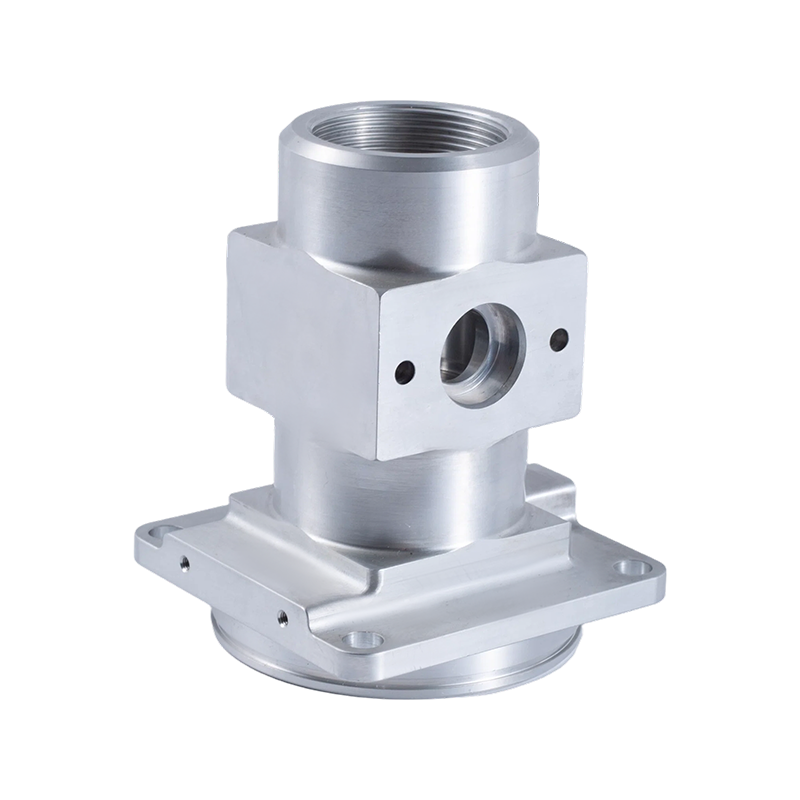


Custom Bushings & Sleeves from a Precision CNC Turning Manufacturer
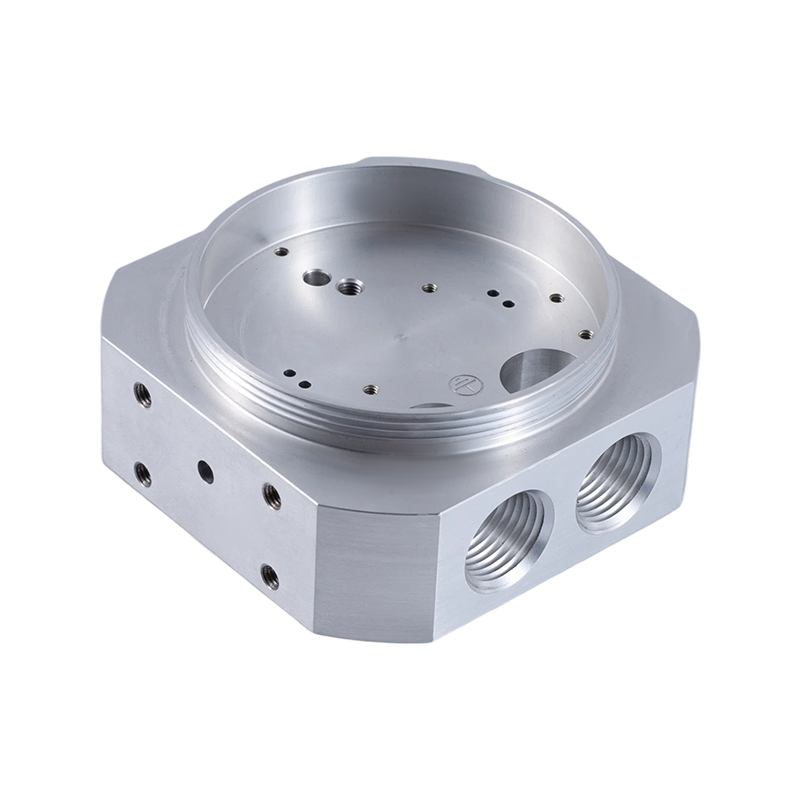
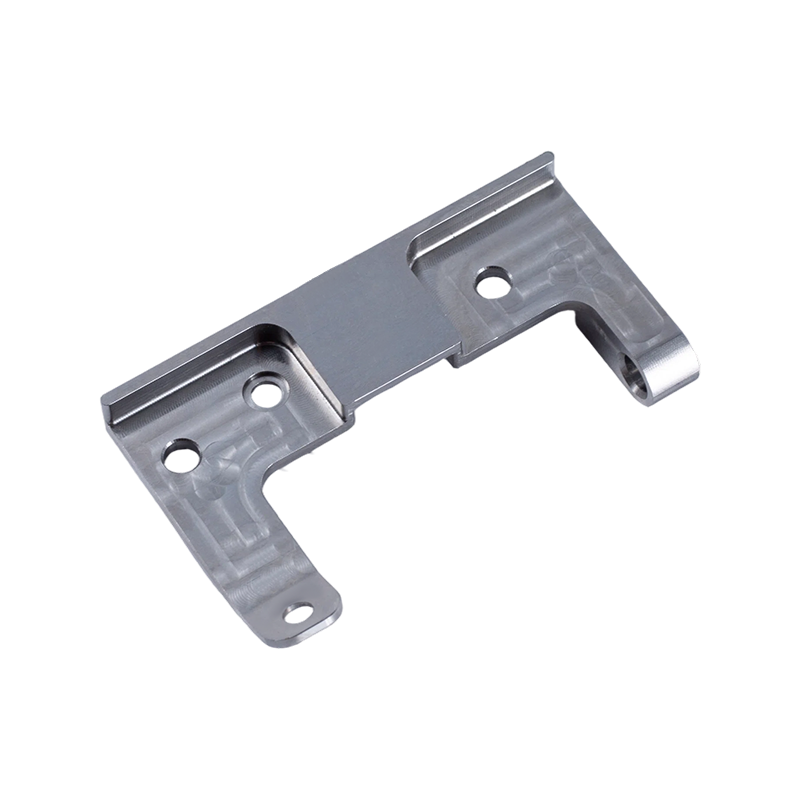
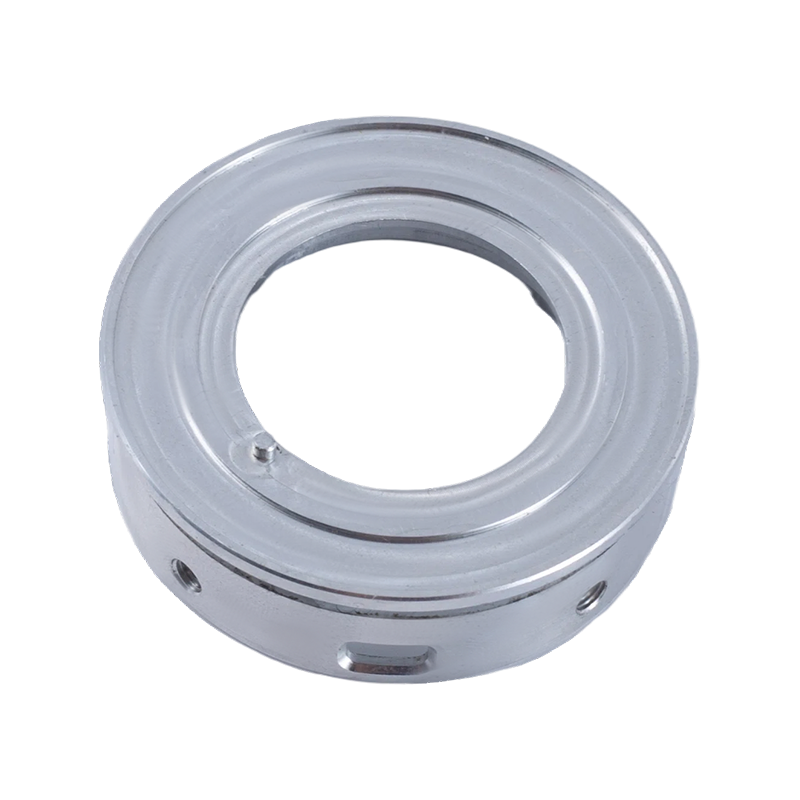
Suzhou Miaocheng Precision Machinery Co., Ltd. is a Bushings & Sleeves manufacturer based in Suzhou, China, producing precision turned bushings, sleeves, spacers and collars for OEM projects that require controlled dimensions, consistent roundness and dependable surface quality. This category is part of our CNC Turning Parts family and covers components defined by a machined bore, an outer diameter and a functional length — from short spacer sleeves to stepped flange bushings with threads and grooves.
Our production is drawing-driven: we machine from customer 2D drawings, 3D models or reference samples. The factory operates dozens of 3-axis, 4-axis and 5-axis CNC machining centers, precision grinding machines and a full inspection lab with coordinate measuring machines, height gauges and vision measuring systems. That combination lets us quote bushings and sleeves as individual turned components, as ground finished parts, or as one item within a larger module assembly scope.
What We Supply in the Bushings & Sleeves Category
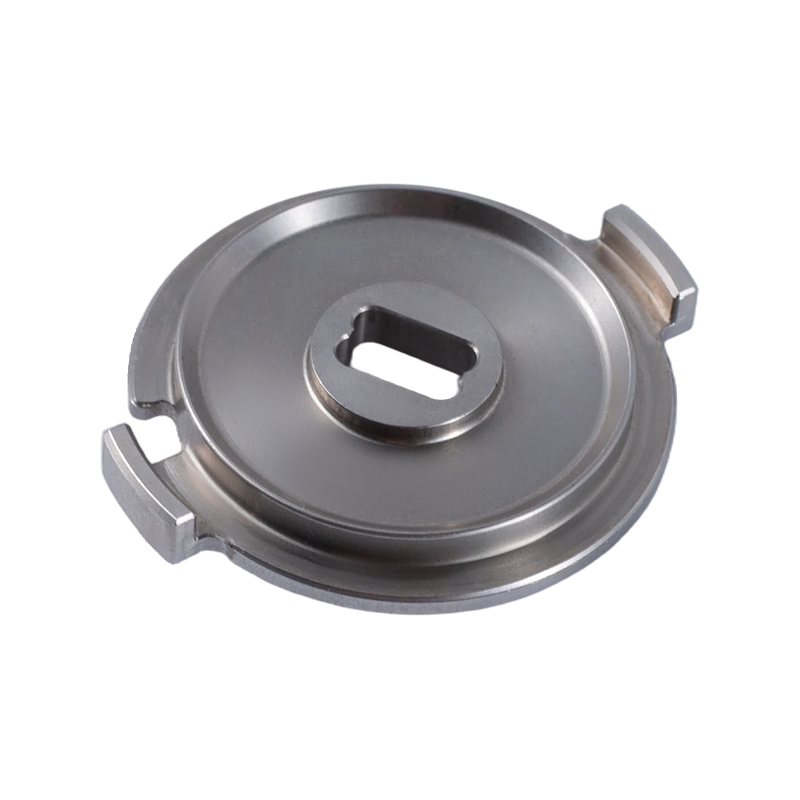
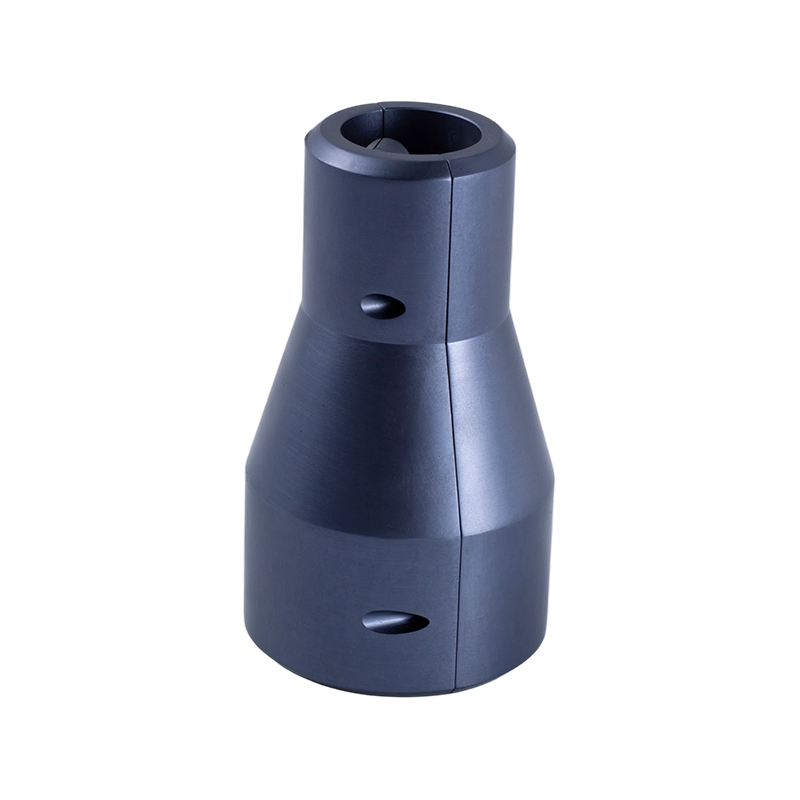
Three product examples define the range in this product family, and each reflects a common project pattern we receive from customers:
- Lightweight Aluminum Bushing — for assemblies with explicit weight targets, where a heavier steel or brass component adds unnecessary mass. The bushing is machined to the same dimensional controls as conventional materials, making it a direct substitute in weight-sensitive designs.
- High-Precision Axial Spacer Bushing — for shaft stacks where multiple components are assembled on the same axis. Even when every part is within tolerance, dimensional errors accumulate, so the spacer's length consistency and face squareness are treated as functional requirements, not secondary details.
- Integrated Flange Bushing — for positions that need radial support and axial location at the same point. Machining the sleeve and flange as one piece removes an assembly interface and keeps the bearing diameter and flange face concentric.
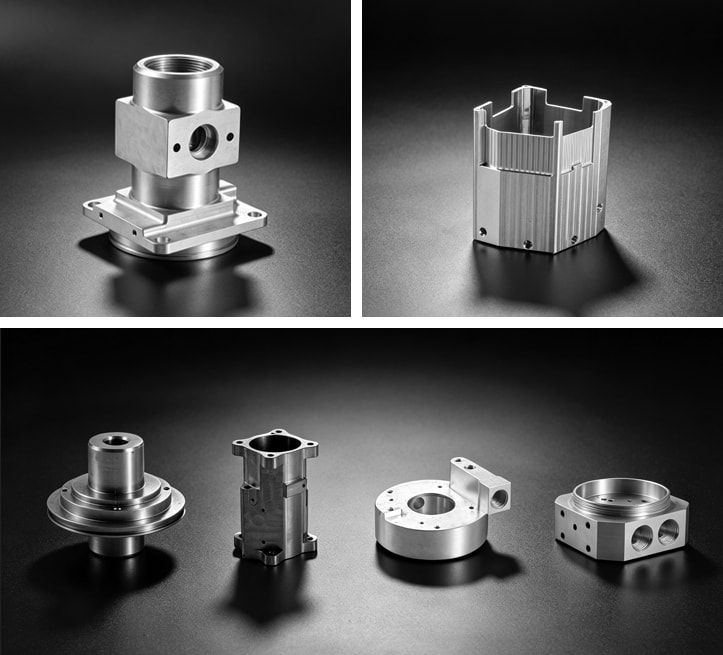
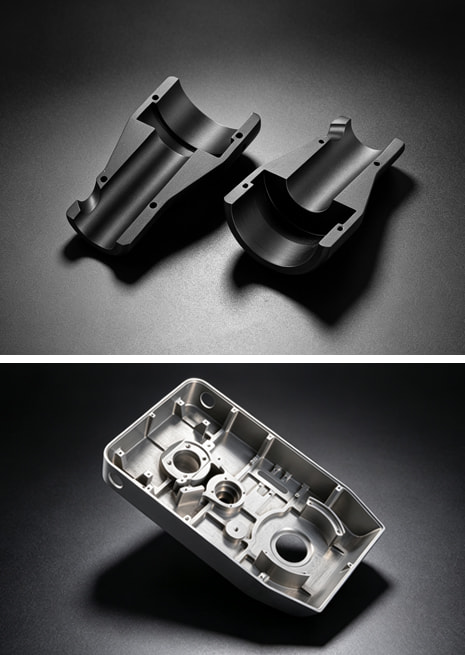
Beyond these forms we produce plain and grooved sleeves, stepped and taper sleeves, threaded bushings, wear sleeves and custom spacers from drawings or samples. If the part is essentially cylindrical and produced around a lathe axis, it fits this category. Cross holes, keyways, flats and milled pockets are added as secondary operations within the same production batch.
Geometry and Application Fit
Bushings and sleeves are used wherever a rotating or sliding shaft must be guided, spaced, sealed against or protected from wear. Typical roles include bore liners and wear sleeves in motor and gearbox assemblies, spacer sleeves that establish axial position, flange bushings that combine support with a locating face, guide sleeves in valve and actuator assemblies, and bearing seats in automation equipment and precision instruments.
From a machining standpoint, the part is defined by the relationship between its bore and outer diameter. Concentricity between the internal and external diameters, squareness of the end faces, wall-thickness control and surface finish on functional diameters drive our process planning and inspection routines. Length-to-diameter ratio and thin-wall sections affect fixturing and cutting strategies, and in some cases determine whether grinding is required after turning. Where the customer's design also includes a mating shaft, our Precision Shaft Parts category covers the opposite side of the same assembly.
Material Selection and Workpiece Considerations
Material choice is driven by the working environment, load and assembly condition. The material families most relevant to bushings and sleeves are:
- Aluminum alloys for weight reduction, thermal conductivity and anodized surfaces
- Stainless steel for corrosion resistance in food machinery, medical and semiconductor environments
- Brass and copper alloys for bearing surfaces, conductivity and low-friction applications
- Alloy steel for high-load components where hardness and wear resistance are specified
- Engineering plastics for low friction, electrical insulation or prototype validation before metal production
We plan the machining route around the specified grade and its actual condition — drawn bar, tube stock or near-net blank. Thin-wall sleeves, in particular, require attention to clamping deformation; this is evaluated during process planning so that roundness is preserved after the part is released from the chuck.
Critical Specifications and Inspection Approach
The specifications that most often determine feasibility, cost and consistency for bushings and sleeves are bore and OD tolerances, bore-to-OD concentricity and runout, face squareness and parallelism, surface finish on bearing or sealing diameters, and secondary features such as threads, grooves, oil slots and lubrication holes. Edge break and burr requirements also matter, especially for parts that are handled or assembled automatically.
Our quality control follows the drawing rather than a fixed catalog tolerance. Incoming material verification, in-process checks and final inspection are performed with precision height gauges, vision measuring machines and three coordinate measuring machines. Grinding is applied when the drawing demands tighter dimensional stability or a better finish than turning alone can provide; we confirm that part of the process during quotation because it affects both cost and lead time.
Production Approach from Prototype to Series
Bushing and sleeve quantities typically range from a handful of validation samples to thousands of pieces. We apply the same discipline at every volume level: a feasibility review of the drawing before quoting, a defined process route covering turning, secondary drilling and milling, grinding when required, inspection and surface treatment, followed by first-article confirmation before batch release.
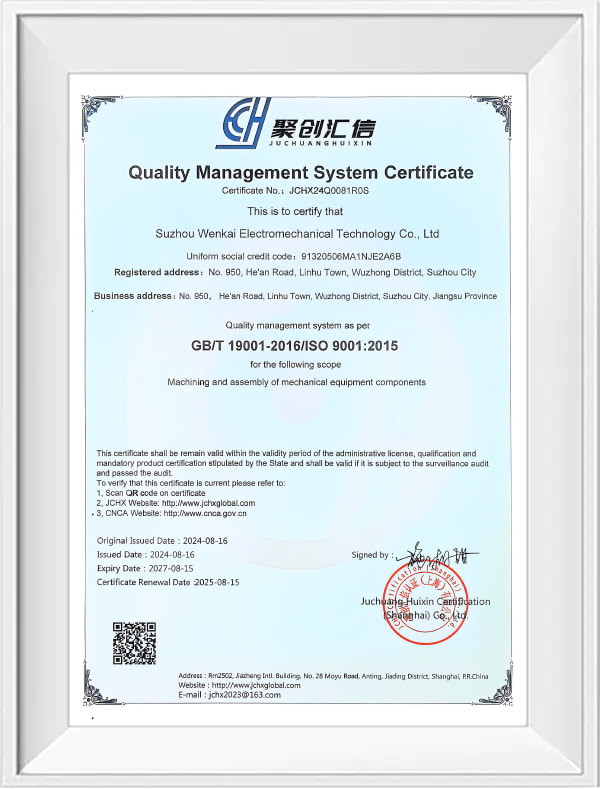
The Suzhou plant operates 23 CNC machine tools, eight grinding machines and three CMMs, with more than 50 employees including 15 technical staff and eight quality-control specialists. We are ISO 9001:2015 certified and apply closed-loop quality management from incoming material to outgoing goods. Module assembly is also available when the bushing or sleeve is part of a larger customer subassembly.
For parts that require a fully customized approach — unusual materials, non-standard geometries or drawing changes during development — the same factory works through our Custom CNC Machining service line.
Bushing and Sleeve Product Range at a Glance
| Product type | Typical function | Material families | Design considerations |
|---|---|---|---|
| Lightweight aluminum bushing | Weight-reduced radial support for rotating or sliding shafts | Aluminum alloys | Wall-thickness control, bore finish, anodizing compatibility |
| High-precision axial spacer bushing | Axial positioning on multi-component shaft stacks | Steel, stainless steel, aluminum | Length tolerance, face squareness, parallelism |
| Integrated flange bushing | Combined radial support and axial location in one part | Brass, steel, stainless steel | One-piece concentricity, flange-face flatness |
| Custom bushings and sleeves from drawings or samples | Bore liners, guide sleeves, wear sleeves, threaded sleeves, spacers | As specified on the drawing | Thin-wall fixturing, secondary holes and slots, batch consistency |
Information We Use to Configure Your Bushing & Sleeve Solution
To prepare a meaningful quotation and process plan, the following project information is most useful:
- 2D drawing in PDF or CAD format with tolerances, surface finish and material callouts
- 3D model in STEP, IGES or native format for complex geometry
- Order quantity and whether prototype validation is required before series production
- Surface treatment requirements such as anodizing, plating or passivation
- Inspection and documentation requirements, including material verification and inspection reports
- Assembly scope when the bushing or sleeve must be delivered as part of a module
If only a physical sample exists, we can evaluate the part under our sample-based machining process and confirm the critical dimensions and material before production. Early communication about fit requirements, operating conditions and volume helps us select the correct turning, grinding and inspection route from the first quotation.
Frequently Asked Questions
Can you produce bushings and sleeves from a physical sample without drawings?
Yes. Sample-based production is part of our custom machining service. We evaluate the sample geometry, critical dimensions and material condition, then confirm the process and tolerances with you before machining.
Which materials are most common for precision bushings and sleeves?
Aluminum alloys, stainless steel, brass, copper alloys and alloy steel are the typical families we plan around. The correct grade depends on the working environment, load and assembly fit, and is normally defined by the drawing or confirmed during quotation.
How do you control concentricity between the bore and outer diameter?
When bore-to-OD concentricity is critical, we combine CNC turning with grinding where the drawing requires it and verify the result using our CMMs and precision measuring instruments. The specific process route is confirmed against the drawing before production starts.
Do you accept small prototype quantities before series production?
Yes. Prototype and small-batch machining is a standard part of our service. It allows us to validate tooling, fixturing, cycle times and inspection methods before you commit to larger quantities.
What quality documentation can you provide with bushing and sleeve orders?
We operate an ISO 9001:2015 quality management system with full-process inspection from incoming material to final outgoing control. The specific inspection reports, material documentation and first-article records included with your order are confirmed during quotation.



