

 English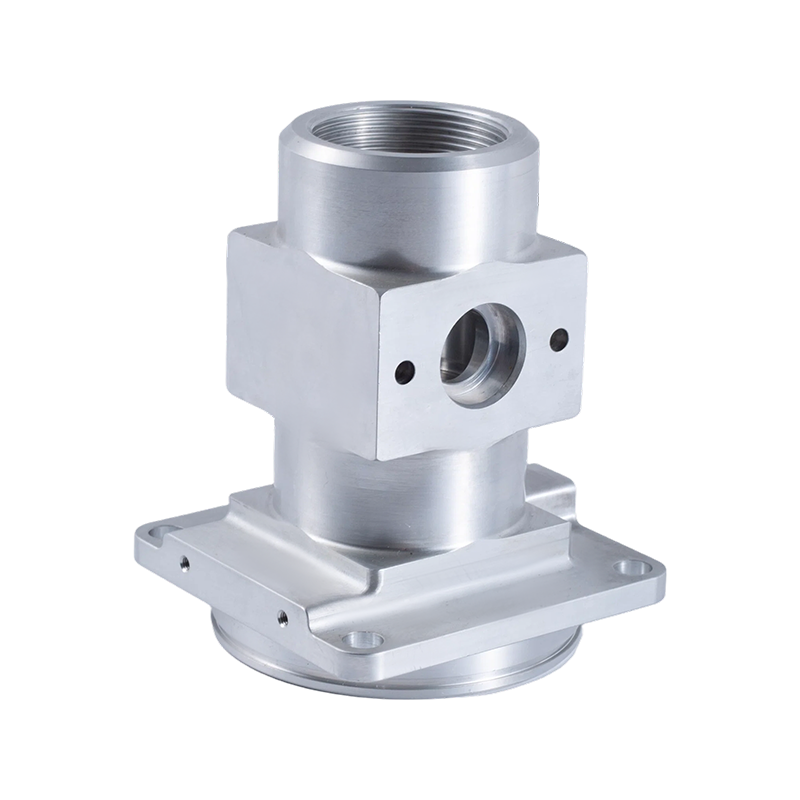


Precision Parts for New Energy Vehicles: Machined Components for Electric and Hybrid Platforms
Suzhou Miaocheng Precision Machinery Co., Ltd. is a Precision Parts for New Energy Vehicles manufacturer operating from Suzhou, China. We supply custom machined components for electric and hybrid vehicles, power electronics, battery systems, drive units, thermal-management circuits and structural chassis assemblies. Work is planned around the drawing rather than a fixed product catalogue, which is why this category includes turned, milled and ground parts produced under one quality system.
What This Category Covers
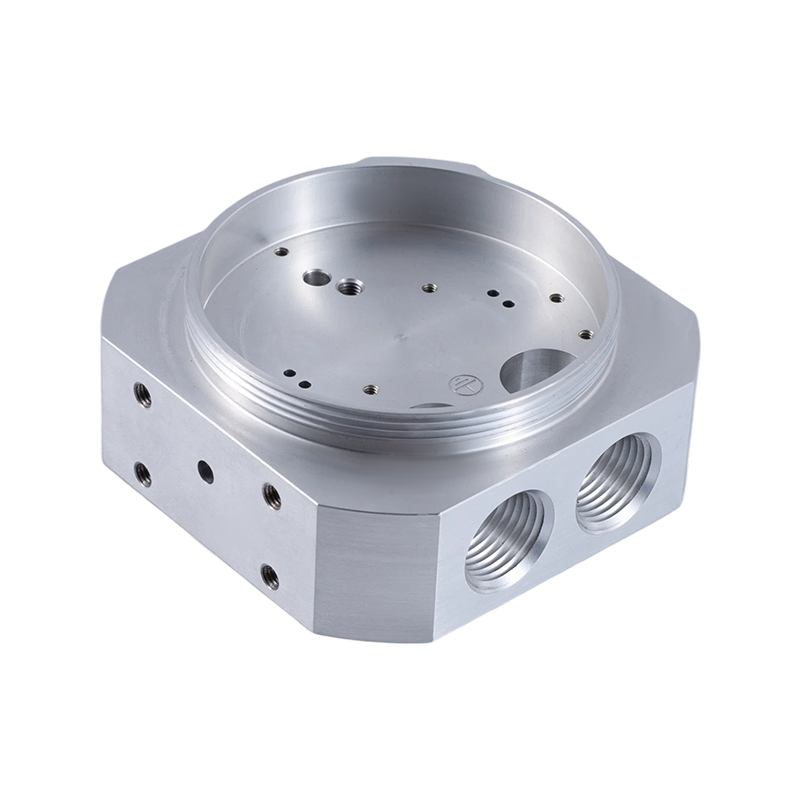
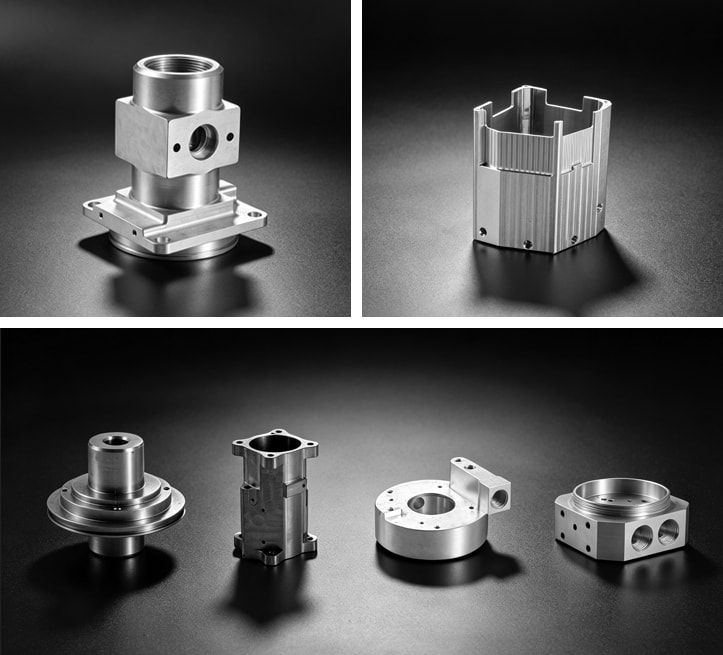
New-energy vehicle components are designed for vibration, thermal cycling, electrical load and harsh environmental exposure. The parts we supply must hold dimensional stability and repeatability across production batches, not only in the prototype stage. Typical work includes cylindrical parts such as motor and gearbox shafts, bushings and sleeves; threaded joints and connectors; valve and fluid-control components; and milled parts such as housings, brackets, mounting plates and multi-hole structural components.
- Components with cylindrical geometry align naturally with CNC Turning Parts, including shafts, sleeves, threaded bodies and fluid-control bodies.
- Components with prismatic or contoured geometry align with CNC Milling Parts, including housings, brackets and multi-hole plates.
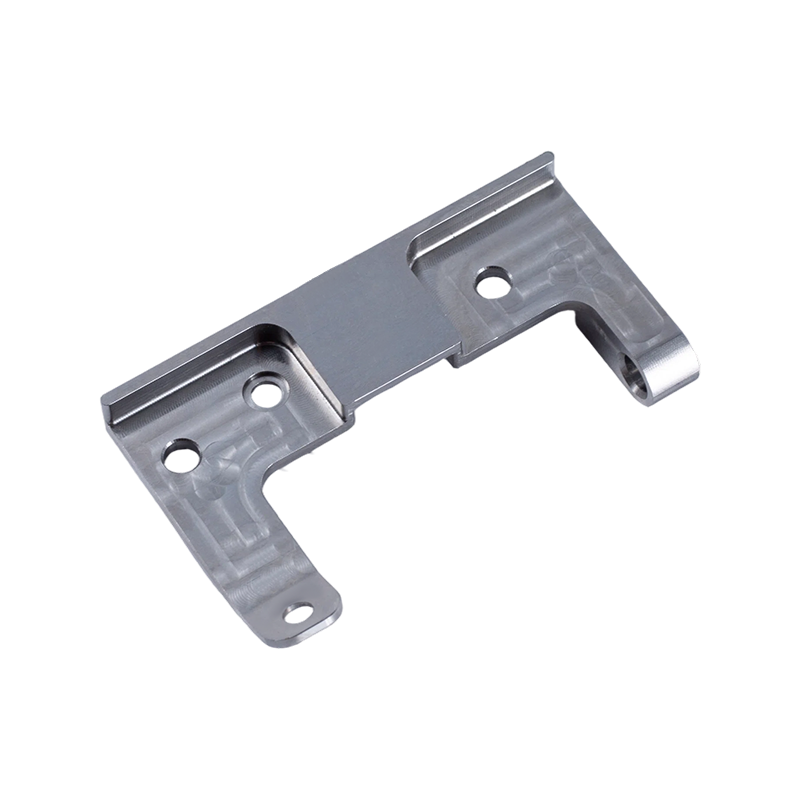
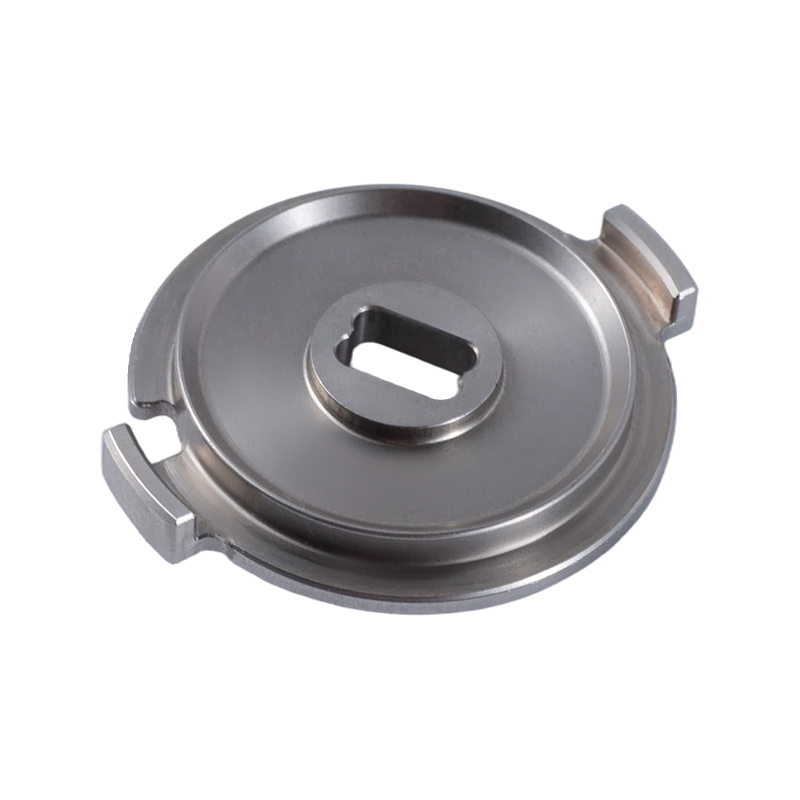
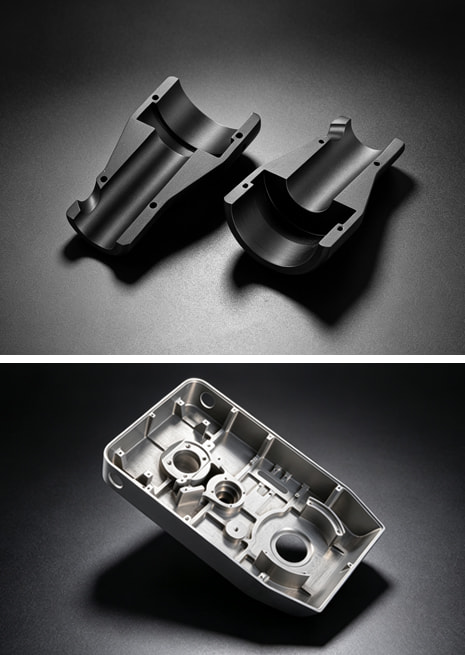
- One of the specific parts presented in this category is Precision Small Chassis Components, a chassis-level machined component that combines structural support with mounting interfaces.
Typical Component Types and Machining Fit
The table below shows common new-energy vehicle component families and the machining considerations that typically drive feasibility, accuracy and production consistency.
| Component Type | Typical Machining Approach | Key Engineering Concerns |
|---|---|---|
| Motor and gearbox shafts | Turning, grooving, keyway milling, grinding | Concentricity, runout, bearing fits and surface finish |
| Bushings, sleeves and spacers | Turning, boring, grinding | ID/OD tolerance, coaxiality, edge break |
| Threaded joints and connectors | Turning, threading, milling | Thread class, sealing face, torque consistency |
| Housings and enclosures | 3/4/5-axis milling | Flatness, hole position, sealing surfaces, wall thickness |
| Valve and fluid-control components | Turning plus milling | Bore geometry, surface finish, leak-free interface |
| Brackets and mounting plates | Milling, drilling, tapping | Datum relationships, positional tolerance, fastener fit |
| Precision small chassis components | Multi-axis milling, thin-wall machining | Dimensional stability, hole-position control, lightweight design |
Materials and Workpiece Considerations
Material selection directly affects machinability, distortion, surface quality and service life. In new-energy vehicle applications, common workpiece materials include aluminium alloys for housings, chassis brackets and lightweight structural parts; stainless steels for corrosion-resistant and high-strength components; and copper alloys for electrical and thermal-conduction duties. Some projects also use engineering plastics where electrical insulation or weight is critical.
For any of these materials, we need the specified grade and condition. Key considerations include wall thickness, deep holes, interrupted cuts, thread form, plating or anodizing allowances and the relationship between machining datums. Thin-walled parts, for example, require controlled clamping and sometimes lighter finishing cuts to avoid distortion.
Manufacturing Capability and Quality Assurance
Our Suzhou plant operates 23 CNC machines, supported by 8 grinding machines and 3 CMMs, within a 2,000-square-metre production facility. The machining centre fleet includes high-precision 3-axis, 4-axis and 5-axis CNC machining centres, giving broad coverage for complex non-standard components.
- Full-process quality inspection from raw-material verification through in-process production to final outgoing.
- Three coordinate measuring machines plus height gauges and vision measuring machines for dimensional verification.
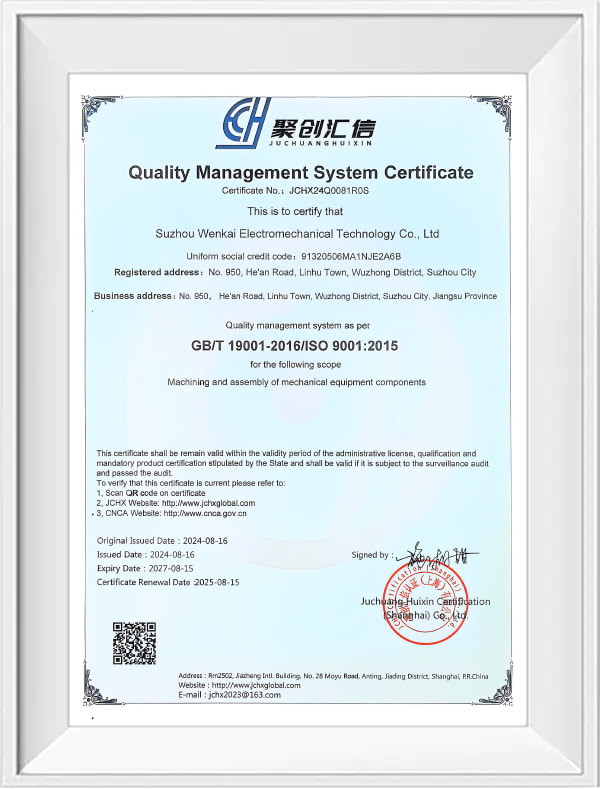
- ISO 9001:2015 quality management system covering production and operational procedures.
- Module assembly capability where customers require assembled units rather than loose machined parts.
Because the same equipment and inspection discipline are used for prototypes and production, the transition from validation to series supply is straightforward.
Prototype, Low-Volume and Series Production
New-energy vehicle projects often require prototype validation before production tooling is finalised. We support small-batch prototype machining and custom machining from drawings or samples. This lets a customer verify form, fit and function before committing to larger quantities.
Production quantities can range from development samples to ongoing batches. Because the category is drawing-driven, the same part can be re-evaluated for production quantity, material specification and inspection level. Our proposal is based on the drawing, quantity and required quality documents.
Information We Use to Prepare Your Solution
The more complete the technical package, the faster we can confirm machining feasibility and provide a meaningful quotation.
- 2D production drawing with dimensions, GD&T and critical section views.
- 3D CAD model in STEP or IGES format for complex geometry.
- Material grade, hardness, raw-material form and any surface-treatment specification.
- Required quantity, delivery schedule and inspection level.
- Critical tolerances, surface-roughness values, thread specs and edge-break requirements.
- Coating, plating, anodizing, passivation or other finishing requirements.
- Assembly, packaging or documentation requirements.
- A reference sample if the project is based on reverse engineering or improvement of an existing part.
Frequently Asked Questions
Which new-energy vehicle components fit this category?
Good candidates include motor and gearbox shafts, bushings, sleeves, threaded connectors, valve and fluid-control parts, housings, brackets, multi-hole plates and structural chassis components. If the part has tight dimensional relationships, sealing faces, mounting interfaces or rotating load-bearing duty, it fits our turning, milling, grinding and CMM-inspection workflow.
Can you produce small-batch prototype parts before series production?
Yes. We support small-batch prototype machining and custom machining from drawings or samples. Prototype parts are produced on the same CNC equipment and inspected with the same CMM-based quality control, so early validation reflects the capability we use for series production.
What material information should be included in an inquiry?
Material grade, hardness, raw-material form such as bar, forging or blank, and any surface-treatment specification. For new-energy vehicle components, aluminium alloys, stainless steels and copper alloys are common, but the correct choice depends on function, environment and drawing requirements.
How is quality controlled on a production batch?
We run full-process quality inspection from incoming material to final outgoing. The quality team uses 3 CMMs, height gauges and vision measuring machines, and the plant operates under ISO 9001:2015. Inspection scope and report format are agreed during project review.
Do you machine parts that combine turning and milling features?
Yes. A single part often needs cylindrical turning, milling of flats or holes, and grinding of critical diameters. Our 3-axis, 4-axis and 5-axis CNC machining centres plus grinding machines allow us to process these features in-house and control the relationship between them.



