

 English
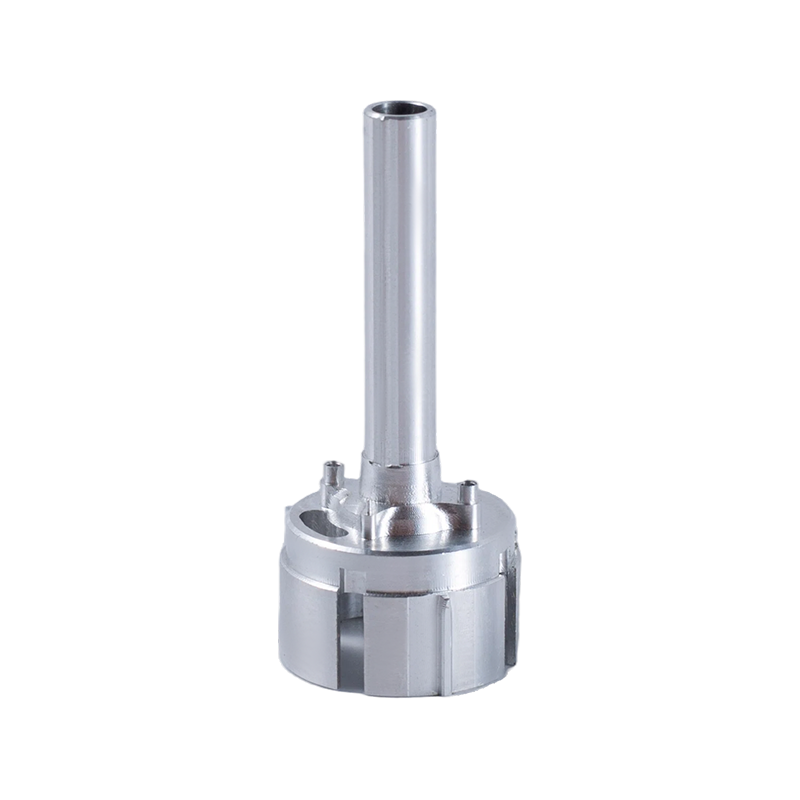
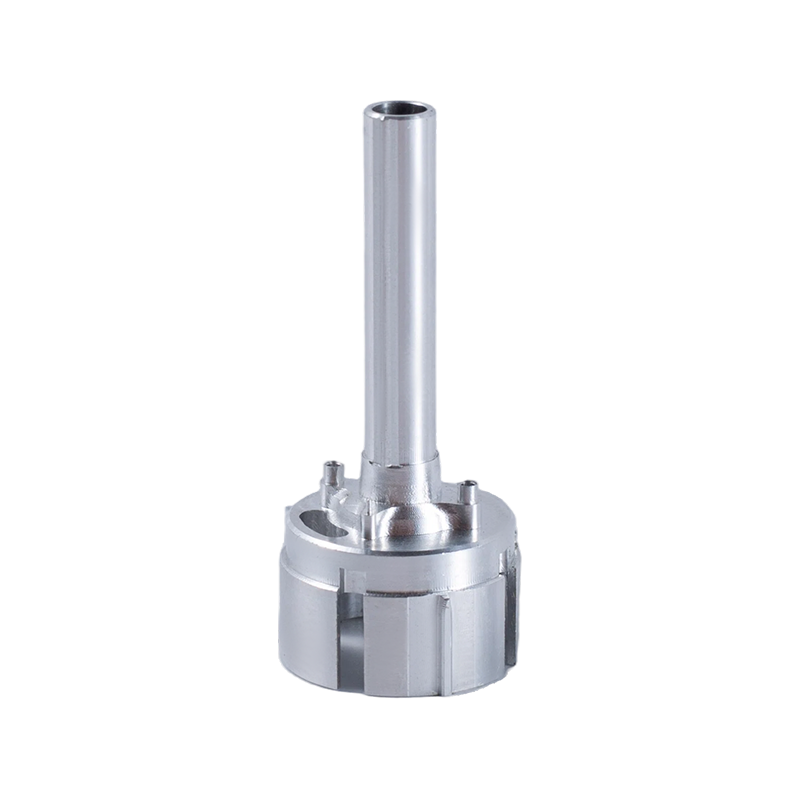


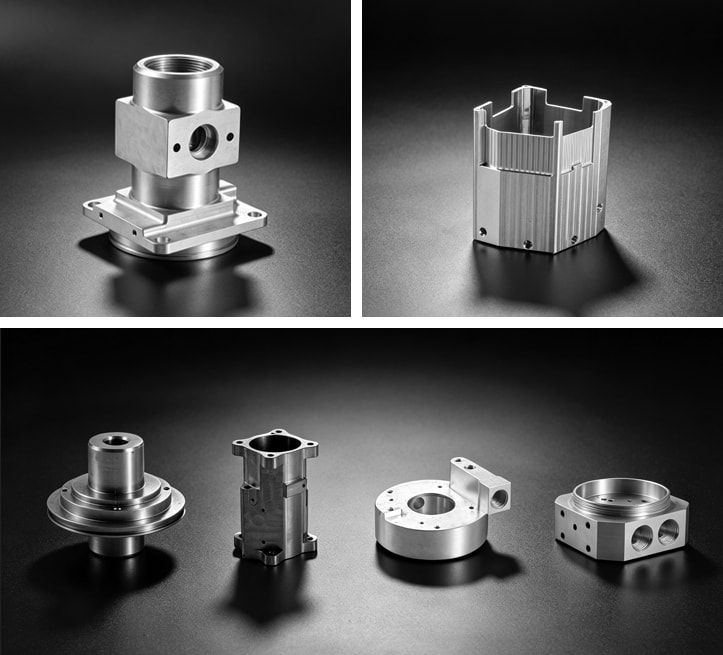
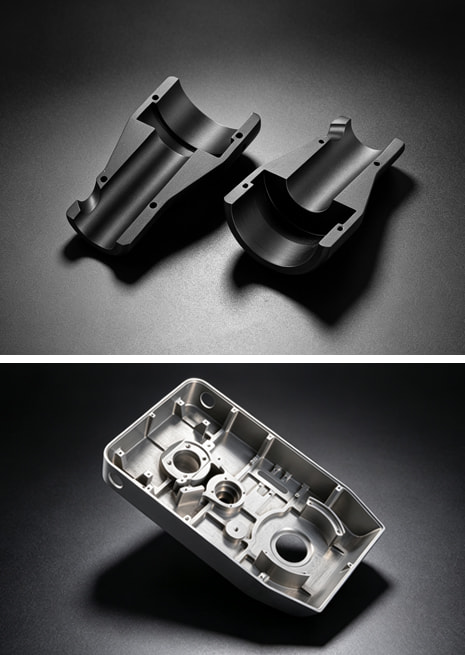
Precision Shaft Parts Machining at Suzhou Miaocheng
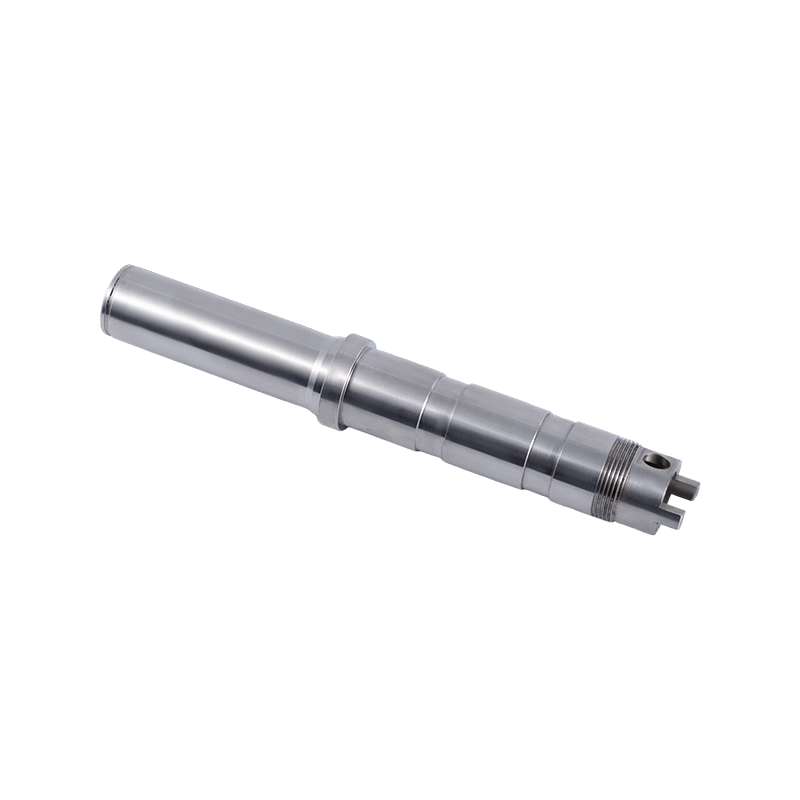
Precision Shaft Parts are the rotating core of motors, reducers, actuators and transmission systems. At Suzhou Miaocheng Precision Machinery Co., Ltd., we machine these components as drawing-based custom parts rather than catalog blanks, combining CNC turning with precision grinding and in-house CMM inspection. As a China-based Precision Shaft Parts manufacturer and custom machining supplier, we supply OEM motor shafts, ultra-small micro shafts and multi-step transmission shafts to international customers across medical, automotive, energy, aerospace and semiconductor applications.
Shaft parts belong to the CNC Turning Parts product family because their functional geometry is generated around a single axis of rotation. Our production system covers full-process machining from roughing to finishing, so a shaft can move from bar preparation, turning and grinding through secondary operations and inspection without multiple handoffs.
What We Supply in This Category
Our Precision Shaft Parts range focuses on components where diameter accuracy, runout control and surface quality determine operating performance. The parts we machine include rotational shafts, stepped shafts, motor shafts, micro shafts and complex custom shafts machined from customer drawings or existing samples.
- Motor shafts that transmit torque from the rotor to the connected load.
- Ultra-small micro shafts with diameters typically under 3 mm for space-constrained assemblies.
- Multi-step transmission shafts with several diameter sections for bearing positioning, gear seating and axial location.
- Custom shafts with threads, keyways, flats, cross holes, tapers or grinding allowances defined by the drawing.
Shaft Types and Application Fit
The following table summarizes the three shaft families and the project context where each is commonly specified.
| Shaft Family | Geometry and Function | Typical Project Fit |
|---|---|---|
| Precision Stainless Steel Motor Shaft | Core rotating component connecting the rotor to the load; transmits torque through the drive train. | Electric motors, servo drives, rotary drive systems and auxiliary automotive drives. |
| Ultra-Small Precision Micro Shaft | Diameter typically under 3 mm; designed for restricted installation spaces and low-inertia rotating assemblies. | Micro motors, medical instruments, sensors, electronic actuators and compact automation modules. |
| Multi-Step Precision Transmission Shaft | Multiple diameter steps along the axis for bearing positioning, gear seating and axial location. | Gearboxes, reducers, timing drives, new-energy vehicle powertrains and industrial automation. |
If your part does not match one of these three families, we still machine shafts as custom turned parts from drawings or reference samples through our Custom CNC Machining service.
Geometry and Specification Factors That Affect Machining
A shaft drawing can look simple while still requiring careful process planning. The features that most often affect machining feasibility and cost are length-to-diameter ratio, runout requirements and the position of secondary features.
- Length-to-diameter ratio: Long slender shafts need stable support to avoid deflection during turning; the clamping strategy and grinding sequence must be planned around the final datum.
- Concentricity and runout: Diameters that must remain concentric are best generated in the same clamping setup or finished by cylindrical grinding.
- Shoulders and fillets: Transition radii affect tool access, stress concentration and the ability to grind adjacent faces without leaving steps.
- Threads, keyways, flats and cross holes: These features must be positioned relative to a defined datum; when they appear after hardening, dedicated tooling may be needed.
- Center holes and balancing: For longer or higher-speed shafts, center holes provide locating datums for cylindrical grinding and inspection of roundness and runout.
When we review a shaft drawing, we look at how these features relate to each other and flag any geometry that could require special workholding, additional grinding or a different raw material form.
Materials, Tolerances and Inspection
Material selection for precision shafts is driven by torque, environment, wear resistance and weight. Stainless steel, alloy steel, aluminum and pre-hardened bar stock are common choices in this category. The material callout on the drawing determines the machining sequence, cutting parameters and whether grinding is required after turning.
Quality requirements on rotating parts are not limited to diameter. Runout, concentricity, roundness and surface finish should be stated on the drawing so the inspection method can be matched to the actual function.
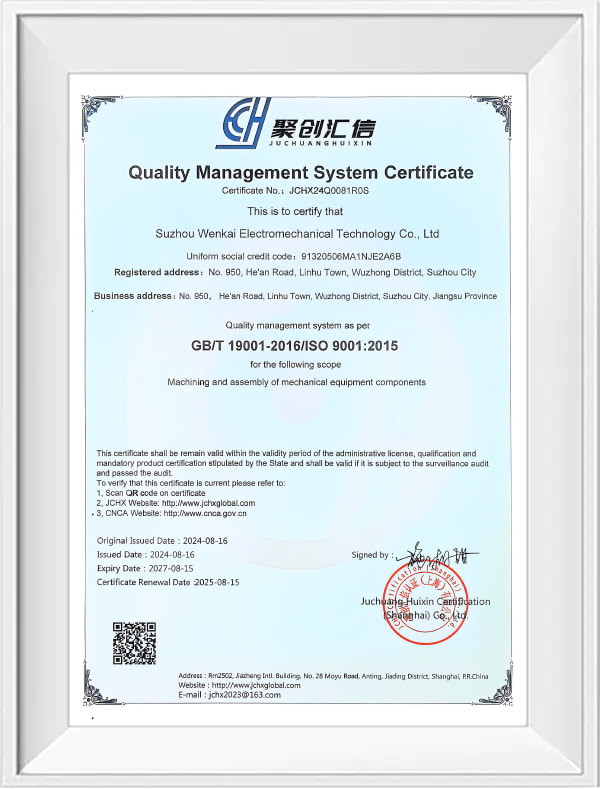
Our ISO 9001:2015 quality management system covers incoming material verification, in-process checks and final outgoing inspection, supported by three CMMs, precision height gauges and vision measuring machines.
We do not assume a default tolerance band. Each shaft is machined and inspected to the drawing's stated dimensions, datums and surface finish requirements.
Production Capabilities and Project Support
The company operates a standardized production facility of more than 2,000 square meters with over 50 employees, including 15 core technical personnel and 8 professional quality-control staff. The machine shop is equipped with high-precision 3-axis, 4-axis and 5-axis CNC machining centers as well as precision grinding machines, giving broad coverage for shaft turning, grinding and secondary operations.
Because we combine precision component processing with module assembly, shafts can be delivered as loose parts or as part of a larger subassembly. For development projects, our Small-Batch Prototype Machining service allows you to qualify material, geometry, fit and finishing before higher-volume production begins.
Industries That Rely on Precision Shaft Parts
- Medical equipment: micro shafts for compact instruments and precision actuators.
- Automotive and new-energy vehicles: motor shafts, transmission shafts and drive components.
- Photovoltaic new energy: rotating shafts for tracking and positioning systems.
- Aerospace: high-integrity shaft components under tight drawing control.
- Semiconductor, food machinery and environmental equipment: custom shafts for process machinery.
This is not a restrictive list. Every order starts with the same questions: what the shaft does, which tolerances are critical, and how the part will be inspected in production.
Information We Use to Configure Your Solution
For a production-ready quotation or process review, send us:
- A 2D drawing with dimensional datums and tolerances, or a 3D model in STEP, IGES or PDF format.
- Material grade, condition and any surface treatment or coating requirements.
- Critical specifications such as diameters, lengths, threads, keyways, flats, cross holes, runout, concentricity and surface finish.
- Estimated quantity per order and annual volume so we can plan workholding, tooling and inspection frequency.
- A reference sample or reverse-engineered part if no drawing is available.
- Assembly or module integration requirements if the shaft must be delivered with mating components.
With this information, we can assess machining feasibility and prepare a proposal matched to the actual geometry and production target.
Precision Shaft Parts FAQs
What information do you need to quote a precision shaft?
At minimum, we need the drawing or 3D model, material grade, critical tolerances and quantity per order. If the shaft interfaces with bearings, gears or a motor rotor, include those interface dimensions so the clamping and grinding sequence can be planned correctly.
Can you machine micro shafts below 3 mm in diameter?
Yes. Ultra-small precision micro shafts are part of this product category. The final achievable result depends on the material, length-to-diameter ratio and drawing tolerances. Reviewing these constraints early lets us propose a workable process before production.
Do you support prototype and small-batch shaft production?
Yes. Our Custom CNC Machining range includes Small-Batch Prototype Machining. This is useful when a motor shaft or transmission shaft needs to be validated in an actual assembly before committing to series volumes.
How do you control runout and concentricity on machined shafts?
We use CNC turning with precision cylindrical grinding and CMM inspection. The key is correct datum selection: center holes or a controlled clamping surface must be established early, so all subsequent turning and grinding operations reference the same axis.
Do you machine related products for the same assembly?
Yes. In addition to shafts, we produce Bushings & Sleeves, threaded joints and connectors, micro precision turned parts, and valve and fluid-control components. This is especially useful when a motor or gearbox assembly needs multiple turned components from one supplier.



