

 English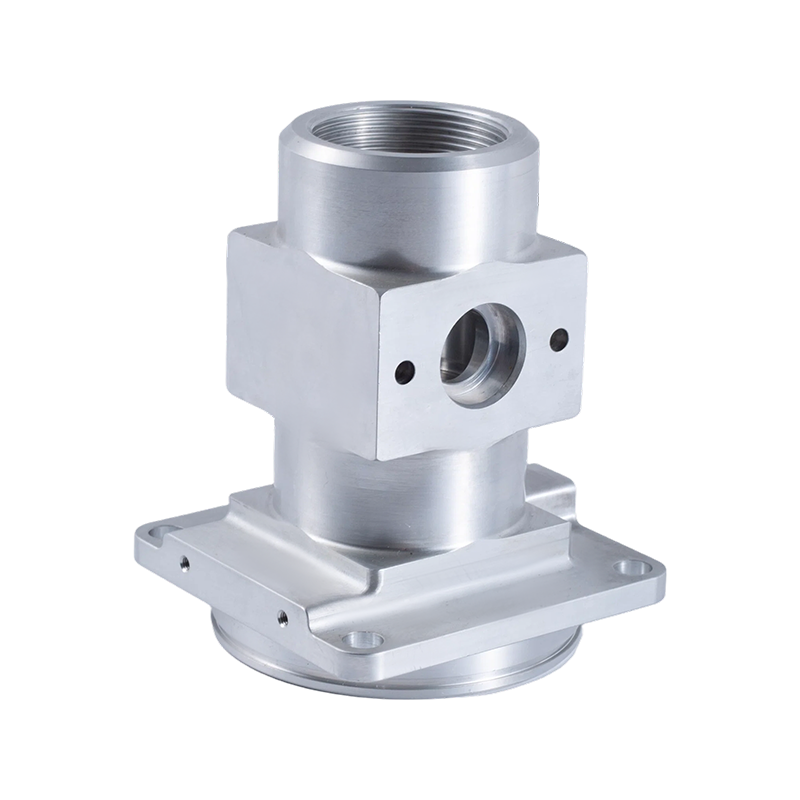
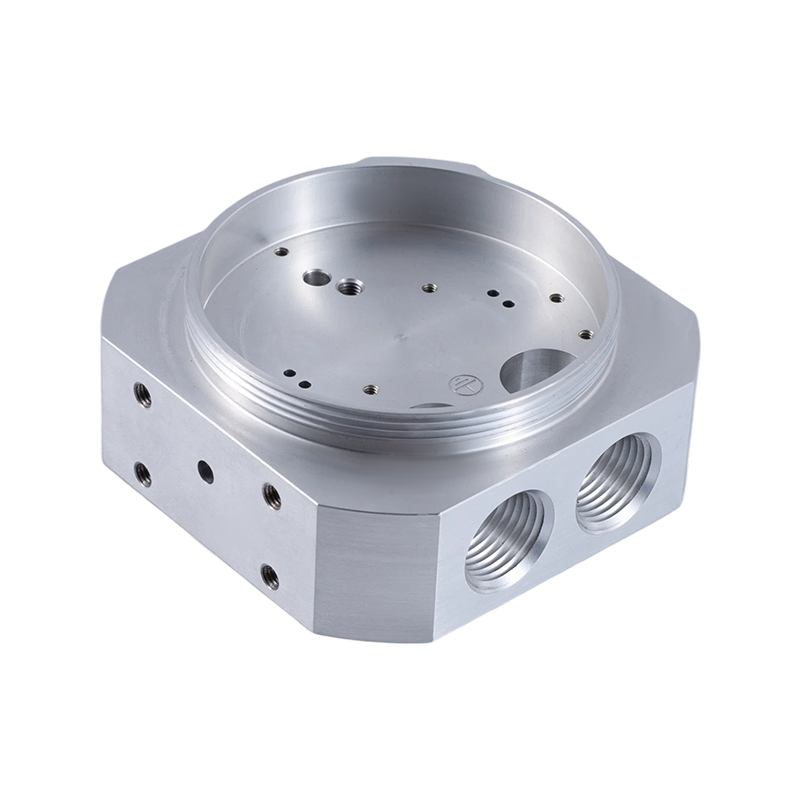
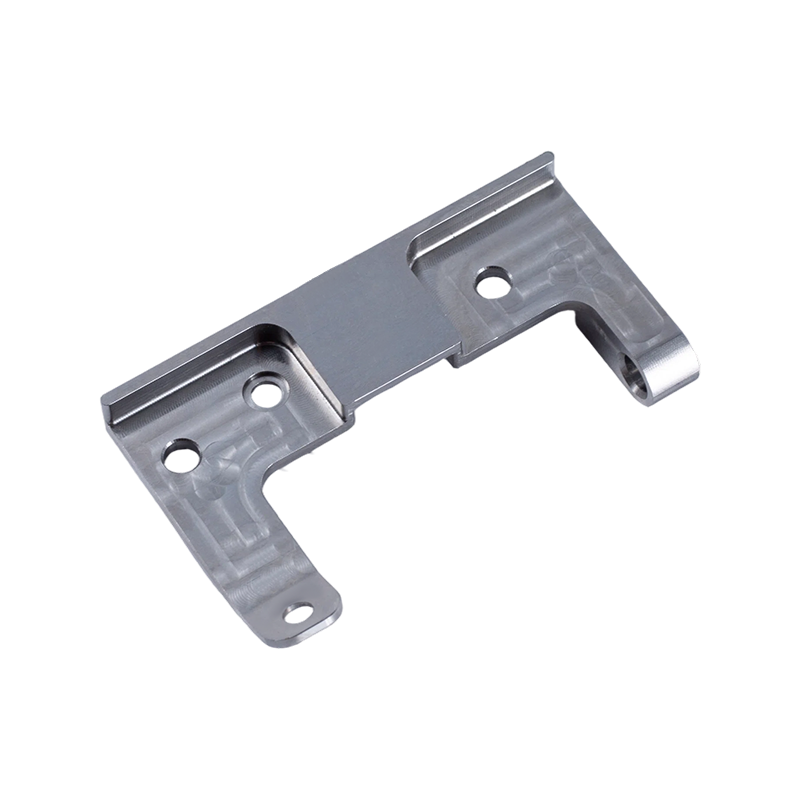
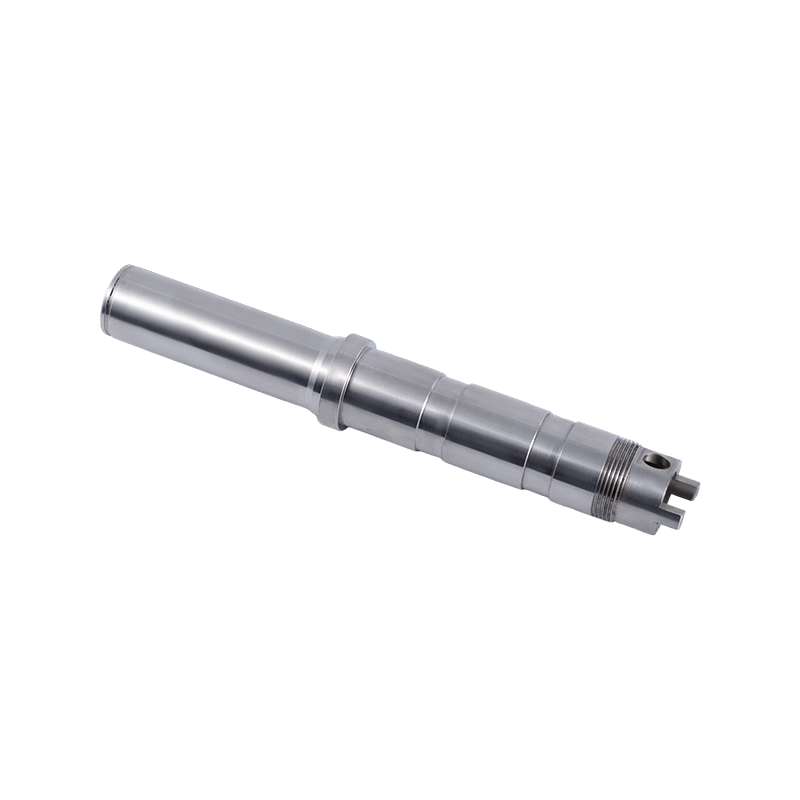
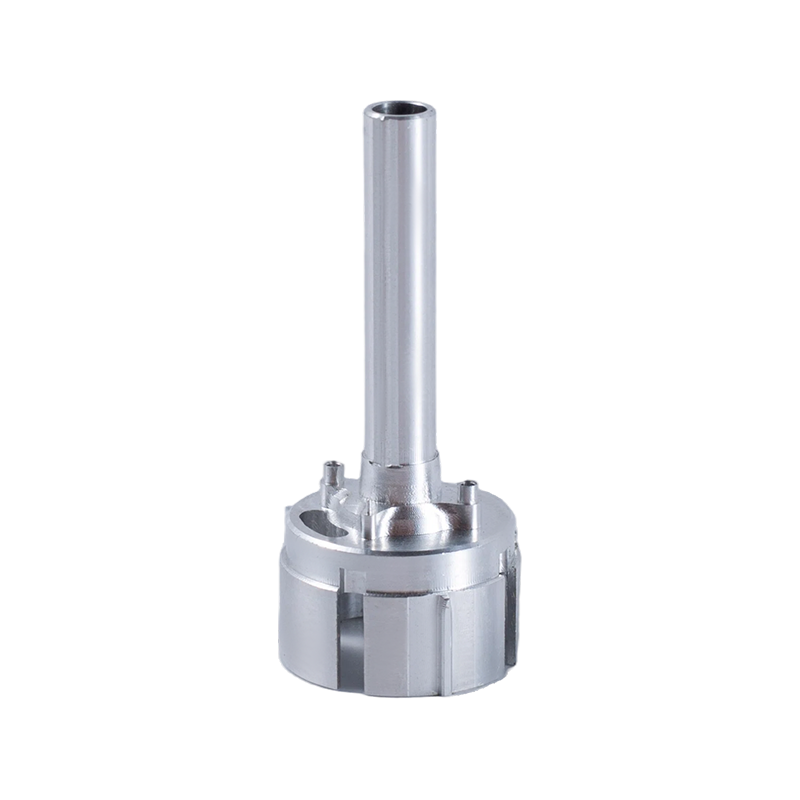
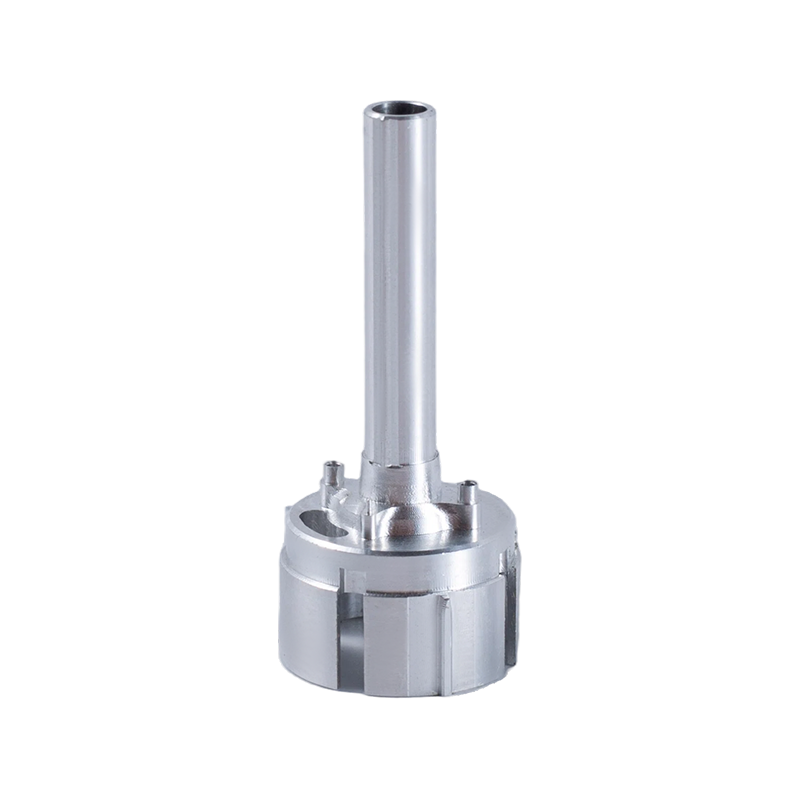
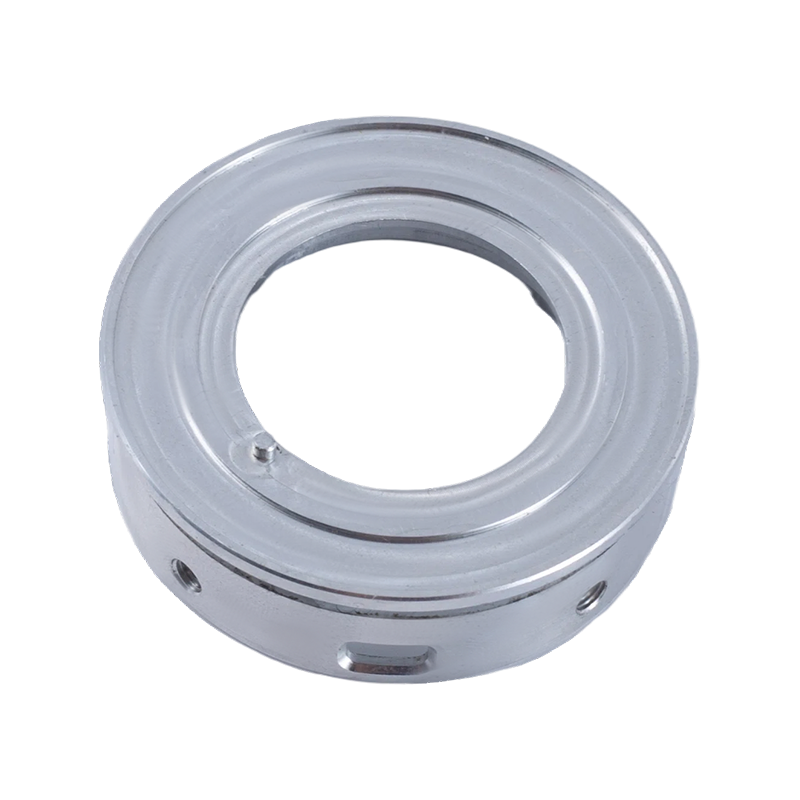
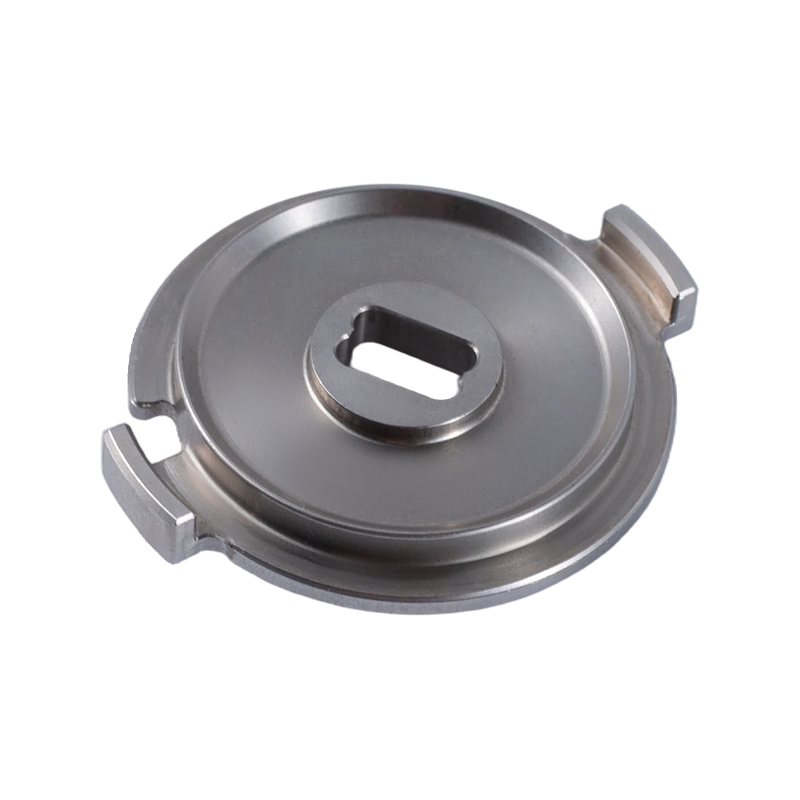
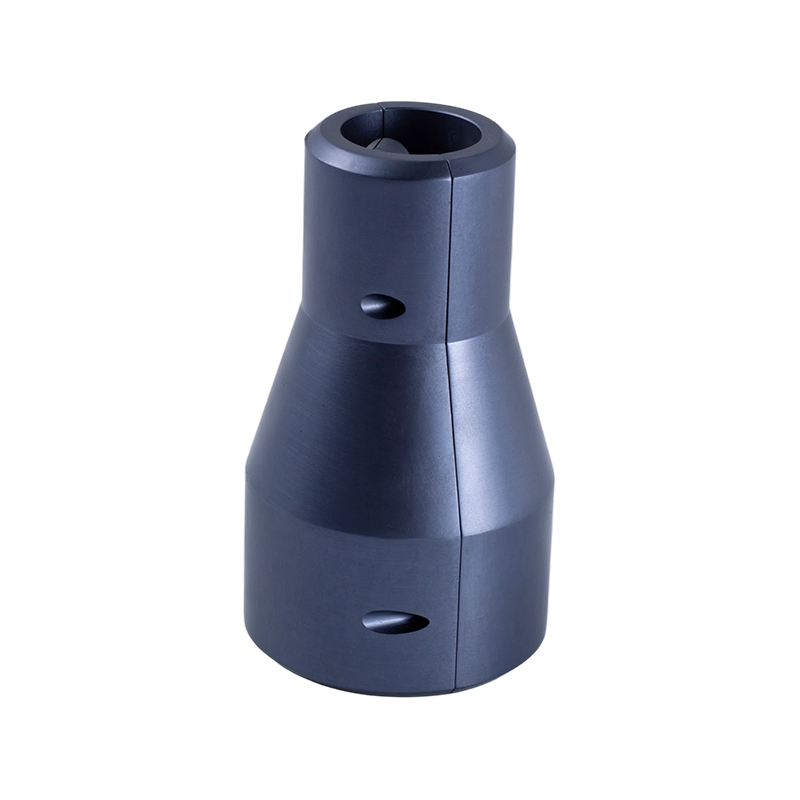
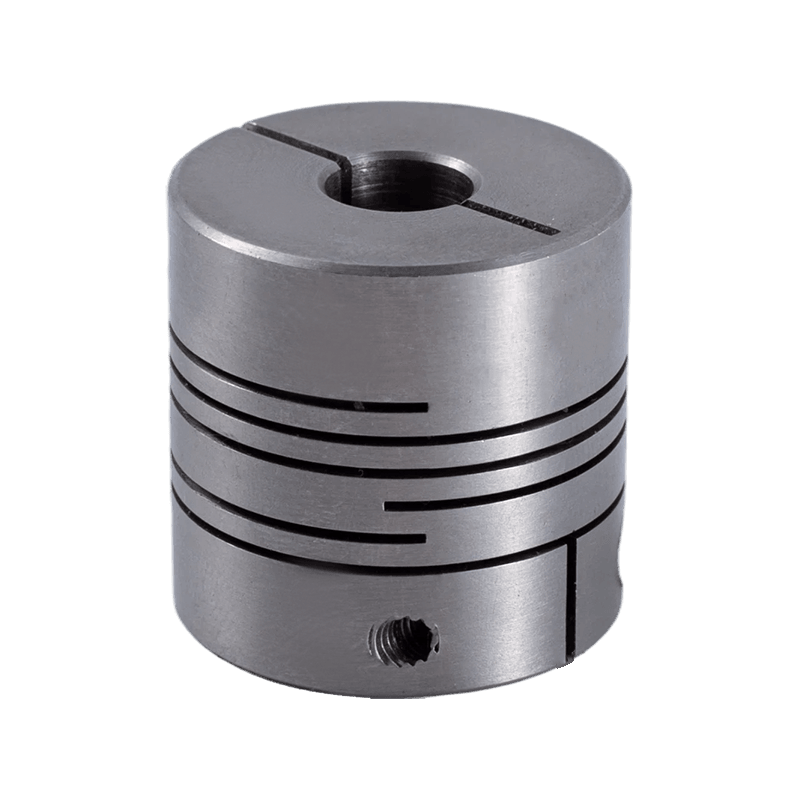
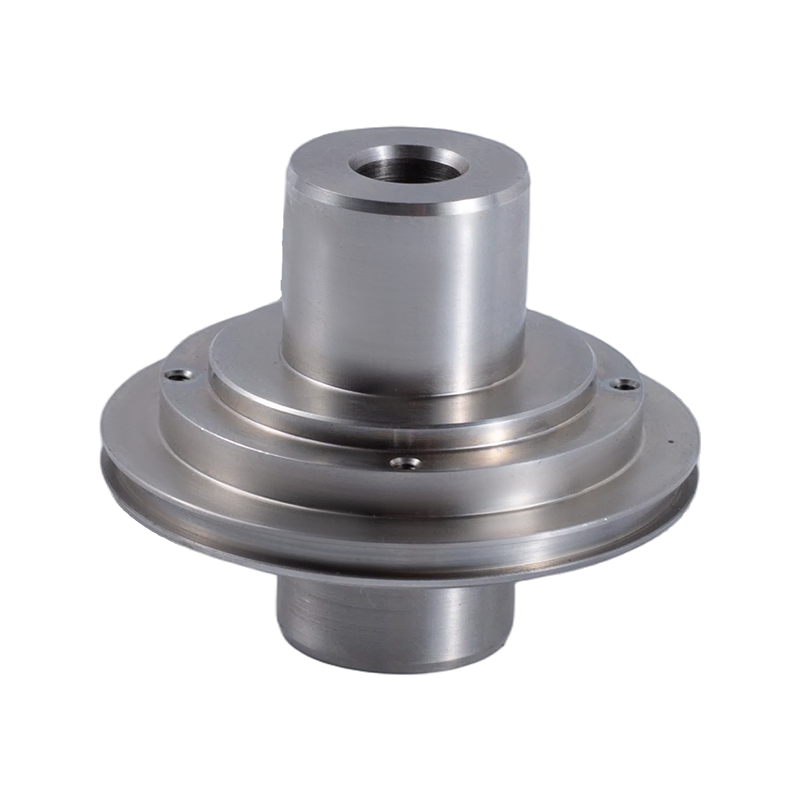
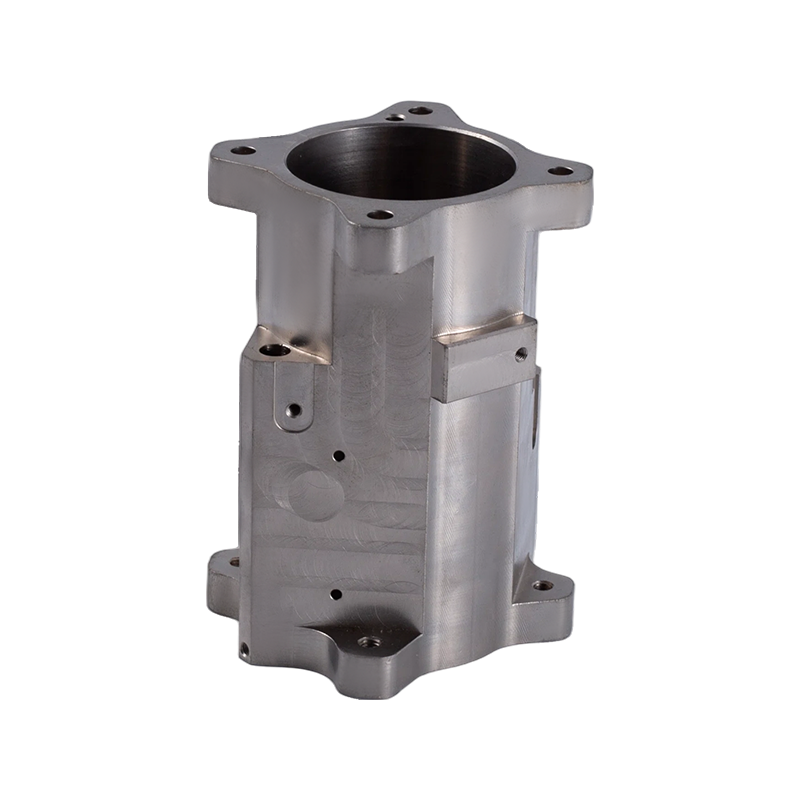


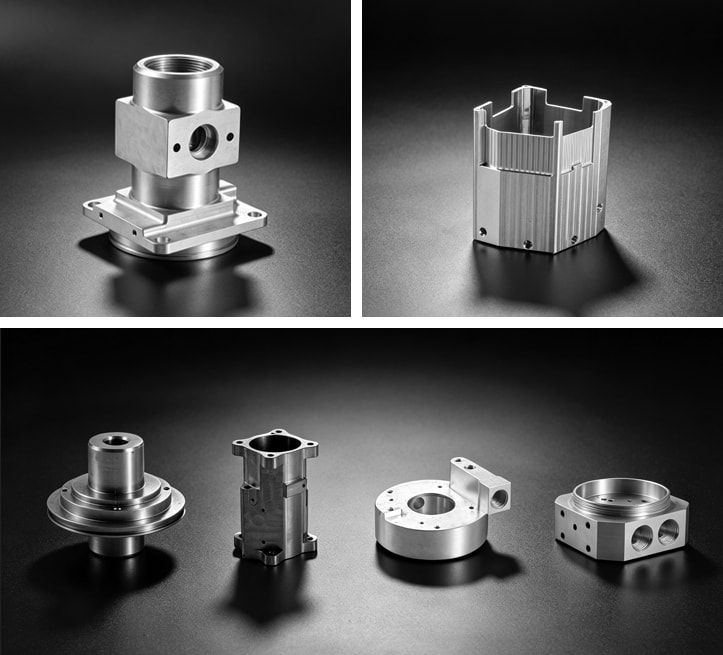
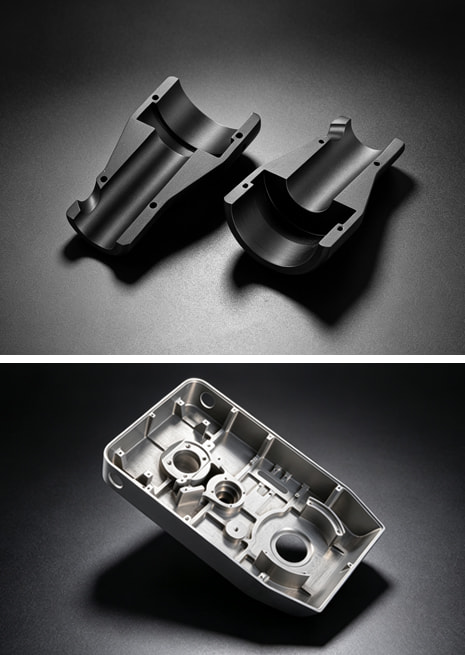
Suzhou Miaocheng Precision Machinery Co., Ltd. is a CNC Turning Parts manufacturer and custom precision machining supplier based in Suzhou, China. Since 2012, we have produced precision turned components for medical equipment, photovoltaic new energy, automotive, aerospace, semiconductor, food machinery and environmental protection equipment. Our scope covers shaft parts, bushings and sleeves, threaded joints and connectors, micro precision turned parts, and valve and fluid control components, with prototype, small-batch and series production supported from one factory.
CNC turning is the right process when a component has a rotational main body, tight diameter control and a defined relationship between its cylindrical features. In our shop, turning is part of a broader process plan: when a part also requires milled flats, cross holes, keyways or slots, we coordinate turning with our high-precision 3-axis, 4-axis and 5-axis machining centers and deliver the component as one inspected unit.
What We Supply in This Category
The range below represents the component families we machine under our CNC Turning Parts program. It is not a rigid catalog; most parts are produced from customer drawings or reference samples, and the same process plan can accommodate prototype, small-batch and production quantities.
| Product Range | Typical Components | Key Turning Considerations |
|---|---|---|
| Precision Shaft Parts | Motor shafts, transmission shafts, micro shafts, multi-step shafts | Diameter steps, bearing seats, concentricity, runout, surface finish |
| Bushings & Sleeves | Aluminum bushings, axial spacer bushings, integrated flange bushings | Wall thickness, bore tolerance, squareness, press-fit surfaces |
| Threaded Joints & Connectors | Threaded fittings, custom connectors, joint components | Thread class, pitch diameter, sealing geometry, engagement surfaces |
| Micro Precision Turned Parts | Miniature shafts, small sensor rotary components, tiny pins | Small diameter control, burr control, cleanliness, handling and cleaning |
| Valve & Fluid Control Turned Parts | Hydraulic valve cores, valve seats, pneumatic control valve bodies, fluid control components | Sealing diameters, concentricity, internal passages, material consistency |
For a closer look at two core ranges, see Precision Shaft Parts and Bushings & Sleeves. Valve and fluid control turned parts are grouped under Valve & Fluid Control Turned Parts.
Where Turned Components Fit
CNC turning suits components with rotational symmetry and precise circular geometry. Typical project fit includes:
- Shafts and stepped spindles that transmit torque or locate rotors, bearings and gears
- Bushings, sleeves and spacers that maintain axial position, alignment or clearance on a shaft
- Threaded connectors and fittings where thread quality and sealing surfaces must be reliable
- Small-diameter pins, sensor components and instrument parts where material removal must be controlled
- Valve cores, seats and fluid-control components where leak-free performance depends on roundness, surface finish and concentricity
When the primary geometry is prismatic rather than cylindrical, a milling-based process is more appropriate; in that case our CNC Milling Parts range covers housings, brackets, multi-hole parts and related geometries.
Materials and Specification Planning
Typical materials in this range include stainless steels for shafts and fluid-control parts, aluminum alloys for lightweight bushings, and alloy steels for transmission components. We also process other bar-stock and blank materials when the drawing and material specification require it. Material grade affects cutting parameters, tool wear, surface finish and thread quality, so we confirm the grade before process planning.
The specification points that have the strongest influence on turning cost and production consistency are:
- Dimensional tolerance and the number of controlled diameters along the part
- Concentricity and runout between turned surfaces
- Thread standard, pitch, class and depth
- Surface finish and edge-break requirements
- Wall thickness and length-to-diameter ratio
- Burr, cleanliness, coating and packaging constraints
Manufacturing and Quality Approach
Our factory in Wuzhong District, Suzhou, operates a full process chain from raw material verification, CNC turning and precision grinding through final inspection. The production team works with dozens of high-precision 3-axis, 4-axis and 5-axis CNC machining centers, 8 precision grinding machines, and supporting equipment that allows roughing and finishing in one controlled flow.
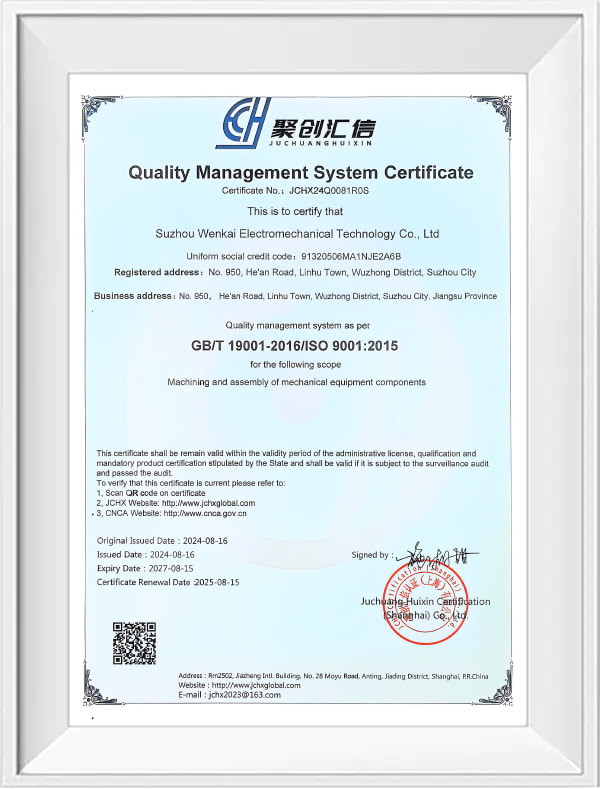
Quality control is integrated rather than added at the end. We maintain an ISO 9001:2015 quality management system and use 3 CMMs, precision height gauges and video measuring machines for in-process and final acceptance. Every part is monitored from incoming material to outgoing inspection, which is especially important for turned components with tight bore tolerances, bearing seats or sealing surfaces.
For projects that extend beyond a single machined part, we can combine precision machining with module assembly. This lets us deliver a more complete unit while keeping responsibility for fit, function and inspection in one place.
Prototype, Small-Batch and Production Support
Not every turning project starts with high volume. We support OEM, prototype and small-batch CNC turning parts work, review the drawing for manufacturability, and use the same process planning approach for a first article as for a production run. The goal is to identify a stable process early, confirm the critical dimensions, and then scale the quantity without changing the part quality.
If a design is still under development, the drawing review stage is the right time to discuss tolerance interpretation, material selection, thread callouts, surface finish and the inspection evidence required for acceptance. This avoids surprises later in production.
Information We Use to Configure Your Solution
Our proposal and process plan are based on the actual component requirements. For a CNC turning parts inquiry, the most useful information is:
- 2D drawing with dimensions, tolerance class, surface finish and thread callouts
- 3D CAD file if available
- Material grade and condition, such as bar, forged, blank or heat-treated
- Required quantity and expected annual demand
- Critical functional surfaces, including bearing seats, sealing diameters and thread engagements
- Surface treatment, coating, cleaning or packaging requirements
- Inspection documents required for acceptance, such as material certificates or dimensional reports
- Reference sample or existing part when no drawing is available
Frequently Asked Questions
What types of turned parts do you manufacture?
We manufacture precision shaft parts, bushings and sleeves, threaded joints and connectors, micro precision turned parts, and valve and fluid control turned parts. Most are produced from customer drawings or reference samples, with prototype, small-batch and series quantities supported.
Can you machine a turned part that also has milled features?
Yes. Cross holes, flats, keyways and slots are common on turned components. We plan turning first and then complete the milled features on our 3-axis, 4-axis or 5-axis machining centers, inspecting the part as a single component to the same drawing.
What information do you need for a CNC turning parts quotation?
A 2D drawing with dimensions, tolerances, surface finish and thread callouts is the best starting point. A 3D model, material grade, quantity and any special inspection or surface treatment requirements help us define the process and prepare an accurate proposal.
How do you maintain repeatability on turned parts?
We control the process through stable CNC turning, precision grinding where required, and full in-process and final inspection using 3 CMMs, height gauges and video measuring machines. The ISO 9001:2015 system keeps material verification and inspection records consistent.
Which industries use your turned parts?
Our precision turned parts are applied in medical equipment, photovoltaic new energy, automotive components, aerospace, semiconductors, food machinery and environmental protection equipment. We also supply OEM and module-assembly projects in these sectors.
Do you support prototype and low-volume production?
Yes. We support OEM, prototype and small-batch CNC turning parts production, and we evaluate the same drawing for manufacturability regardless of quantity. If later volumes increase, the process and inspection plan can be scaled without rework.



