

 English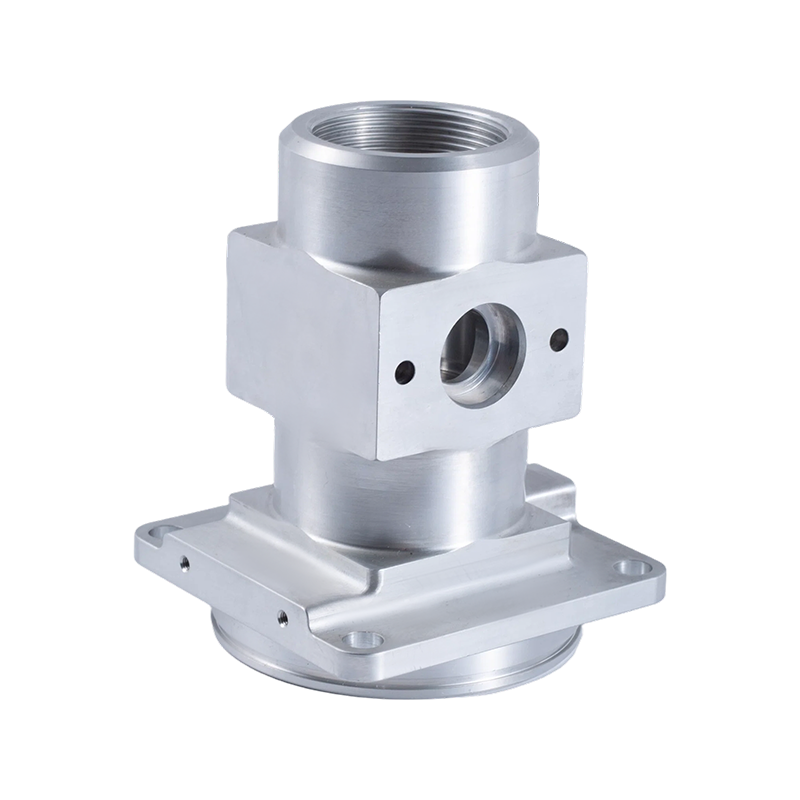
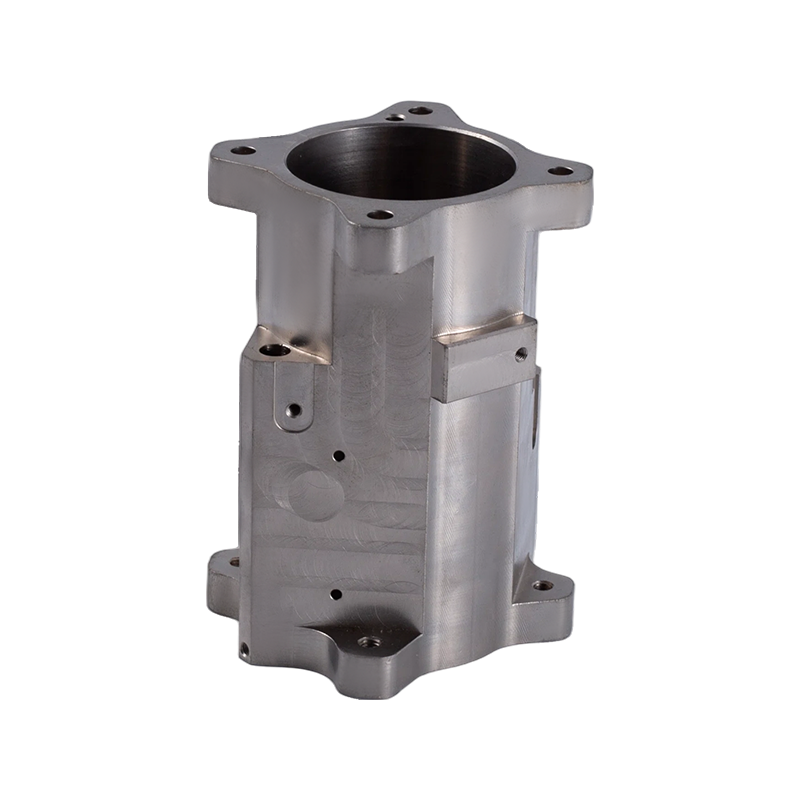


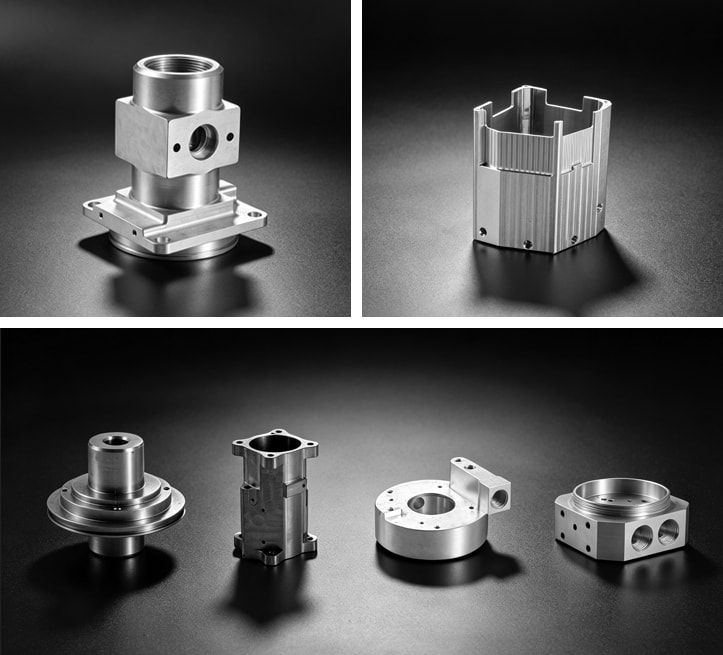
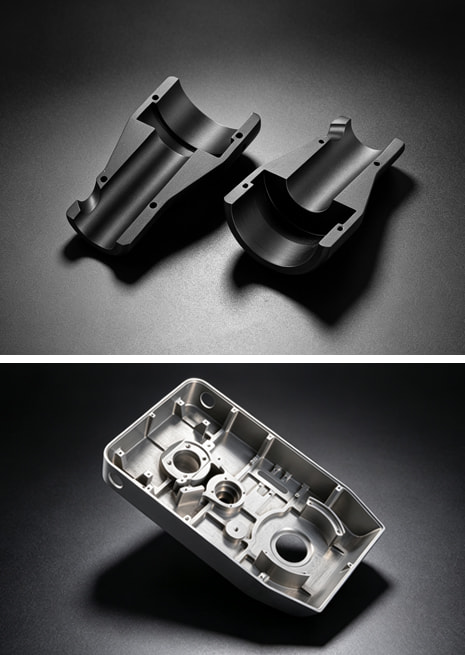
Suzhou Miaocheng Precision Machinery Co., Ltd. is an OEM-focused Valve & Fluid Control Turned Parts manufacturer based in Suzhou, China. We machine rotationally symmetric components for hydraulic, pneumatic and fluid-handling systems, combining CNC turning, precision grinding, full-process inspection and module assembly so a customer can move from raw material to finished component with a single production partner.
What We Supply in This Category
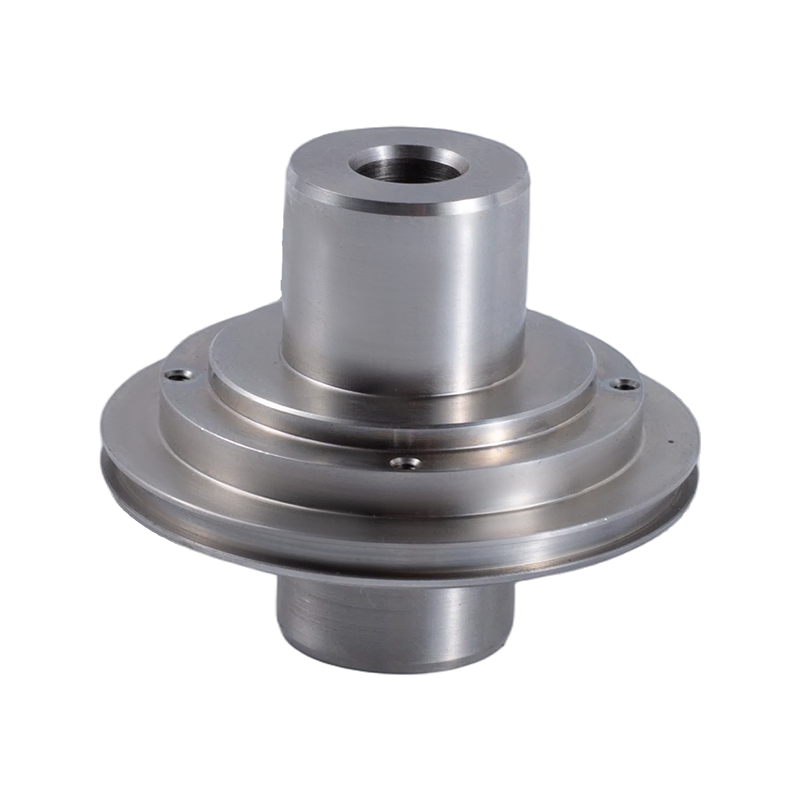
Within our CNC Turning Parts program, this range covers components that work inside or directly with fluid-control systems. The two reference parts in this category are the Precision Hydraulic Valve Core and the Precision Valve Seat. Around those forms, we support a wider family of turned parts used in valves, pumps, actuators, manifolds and fluid transfer systems.
- Valve cores and spools — multi-step diameters, grooves, lands and threaded ends that control flow direction and rate.
- Valve seats — sealing faces, tapered or radius transitions and press-fit diameters that must hold their form under assembly and service.
- Plungers and stems — long, slender turned parts with controlled surface finish and concentricity.
- Sleeves and bushings — thin-wall cylindrical parts with precise bore-to-OD relationships.
- Threaded connectors and fittings — thread classes, sealing shoulders and secondary flats or cross-holes.
Application Fit and Typical Geometries
The parts that fit this category typically share one requirement: functional diameters, sealing surfaces and locating features must repeat consistently across the batch. CNC turning is best suited when the dominant features are rotationally symmetric, even if the finished component also includes milled flats, cross-drilled ports or non-round details. For those combinations, the turning sequence is planned around the datum structure so secondary machining does not distort the functional geometry.
| Part Type | Typical Function | Machining Priorities |
|---|---|---|
| Hydraulic valve core / spool | Directs flow, controls opening and metering | Roundness, land widths, groove geometry, concentricity, edge deburring |
| Valve seat | Creates the sealing boundary in the valve | Sealing geometry, tapered transitions, press-fit OD, surface finish |
| Plunger / stem | Transfers motion in solenoid or pilot valves | OD finish, straightness, thread position, retaining-groove location |
| Sleeve / bushing | Guides the spool or retains the seal assembly | ID-to-OD concentricity, wall-thickness consistency, controlled fit surfaces |
| Threaded connector / fitting | Connects fluid lines and ports | Thread class, seating shoulder, hex and flats, cross-hole deburring |
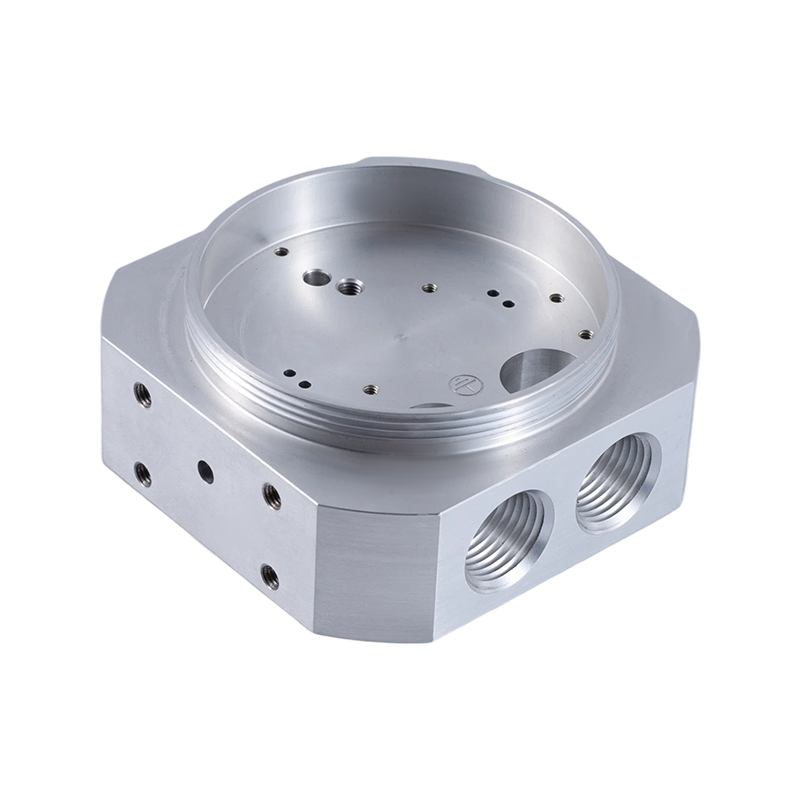
When a customer needs a complete machined component rather than a bare turned part, the same project can be handled through our Precision Fluid Control Component and Precision Pneumatic Control Valve Body examples.
Material and Workpiece Considerations
Material selection is part of the quotation. Valve and fluid-control components are exposed to different pressures, media, temperatures and assembly conditions, so the drawing must specify the base material and its condition. Stainless steel, alloy and carbon steel, aluminum, brass and copper alloys are all common in this category. Material grade and hardness influence cutting parameters, tool selection and the finishing method used for sealing surfaces.
The physical shape of the workpiece matters just as much. Long thin spools may require steady-rest support or a sequence of turning operations to control deflection. Thin-wall sleeves are sensitive to clamping deformation. We review these conditions before choosing the machining strategy so tolerances are controlled on the actual part, not only in the program.
Critical Specifications and Machining Feasibility
Before quoting, we review the features that determine function and cost. The most important are the functional diameters, the relationship between those diameters, the thread specification and the surface condition of sealing areas. For a valve core, groove widths and edge condition affect performance. For a valve seat, the angle or radius of the sealing face and its relationship to the press-fit diameter must hold through handling and assembly.
- Dimensional tolerance and form control on functional diameters
- Concentricity, runout and position relative to the turning axis
- Thread standard, pitch diameter and sealing-thread requirements
- Sealing-edge condition, surface finish and burr limits
- Length-to-diameter ratio and wall-thickness effects on clamping and deflection
Quality Assurance and Inspection
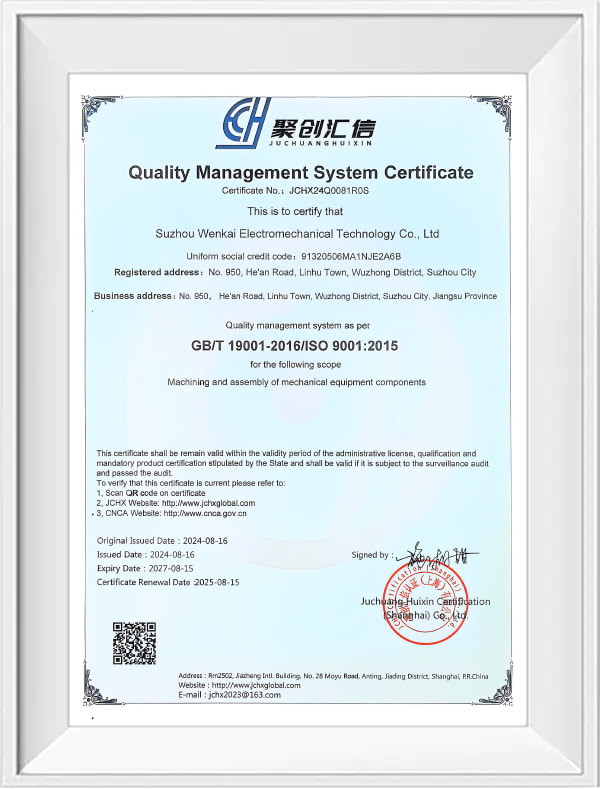
Quality control is built into the production flow rather than left to the final check. Our inspection system includes three CMMs, precision height gauges and video measuring machines. Material verification, in-process production checks and final outgoing inspection are set up around the drawing requirements. The company operates under an ISO 9001:2015 quality management system, and the QC team is staffed by dedicated quality specialists.
- ISO 9001:2015 certified quality management system
- Raw material verification before machining
- In-process checks during turning and grinding
- Final outgoing inspection on critical dimensions and surface condition
Production Capability and Project Support
We operate 23 CNC machining units, including 3-axis, 4-axis and 5-axis machining centers, supported by eight precision grinding machines. The 2,000-square-meter facility employs more than 50 people, including core technical and quality-control staff. This combination supports full-process manufacturing from roughing to finishing, plus module assembly for customers who want delivery of selected fluid-control components as subassemblies.
- Multi-axis CNC turning and machining capability
- Precision grinding for critical diameters and sealing surfaces
- Three CMMs for dimensional verification
- Module assembly and testing support
Information We Use to Configure Your Solution
For each Valve & Fluid Control Turned Parts inquiry, our proposal starts from these inputs:
- Complete 2D drawing or 3D model with material grade, finish and critical dimensions
- A physical sample if the part is to be reproduced from an existing component
- Annual quantity, order frequency and target delivery schedule
- Functional conditions such as pressure, media, temperature and mating-part fit
- Critical-to-quality features and required inspection evidence
- Secondary operations, assembly, marking or packaging requirements
Frequently Asked Questions
Which valve components are best suited to CNC turning?
Components whose critical features are rotationally generated: valve cores, valve seats, plungers, stems, sleeves and threaded fittings. If a part also includes milled flats, slots or cross holes, we plan the turning and secondary machining together so the functional datums remain consistent.
Can you machine valve and fluid-control parts from a sample?
Yes. We support reproduction of existing components from physical samples. A sample helps confirm material condition, critical dimensions and form; a drawing or measurement report is still recommended for tolerances that cannot be fully captured from the sample.
What quality documentation can you provide with valve turned parts?
Our production system follows ISO 9001:2015 with raw material verification, in-process inspection and final outgoing inspection. The specific inspection records and certificates are agreed when the order is placed, depending on the customer requirement and the critical features of the part.
Do you handle prototype quantities as well as production series?
Yes. Our machining programs include small-batch prototype work and higher-volume turning. We use prototype runs to prove critical dimensions and surface requirements before committing to serial production.
Why are valve cores and valve seats machined differently?
A valve core is often a slender multi-step part where roundness, land widths and concentricity dominate. A valve seat is usually shorter and stiffer, but its sealing geometry and press-fit surfaces must be precisely controlled. We plan the turning and grinding sequence according to the function of each component.
Can you supply more than the bare turned component?
Yes. In addition to precision machining, we perform module assembly and can manage selected fluid-control components as a subassembly. This keeps the responsibility for fit and quality in one place.



