

 English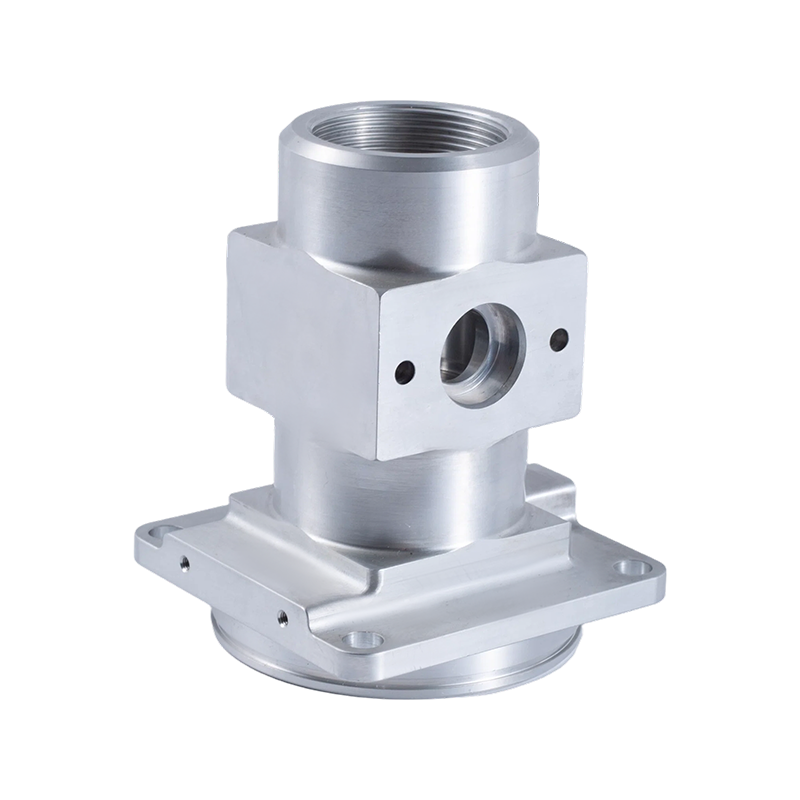
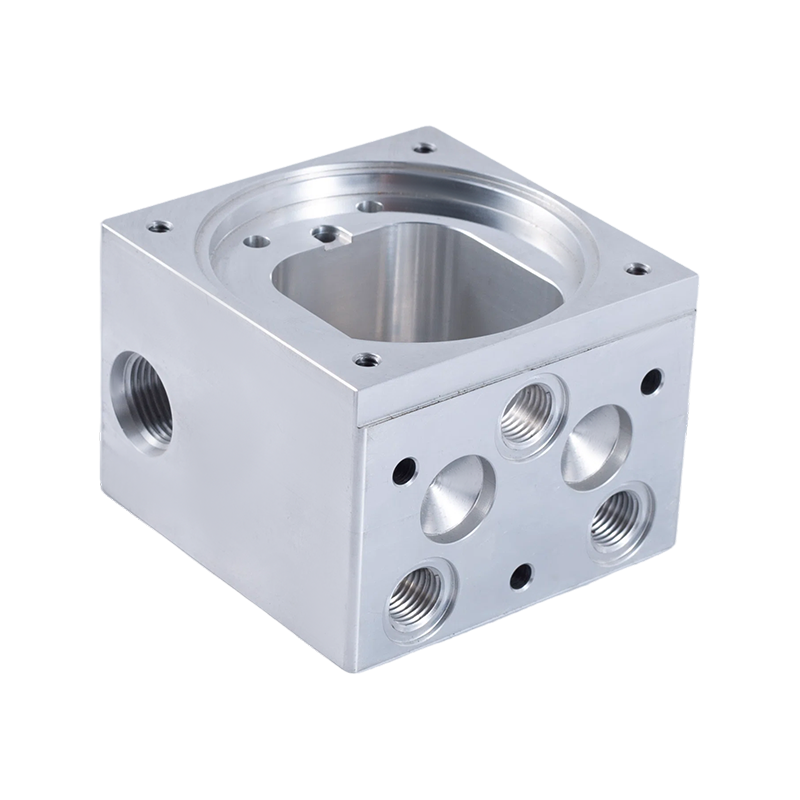
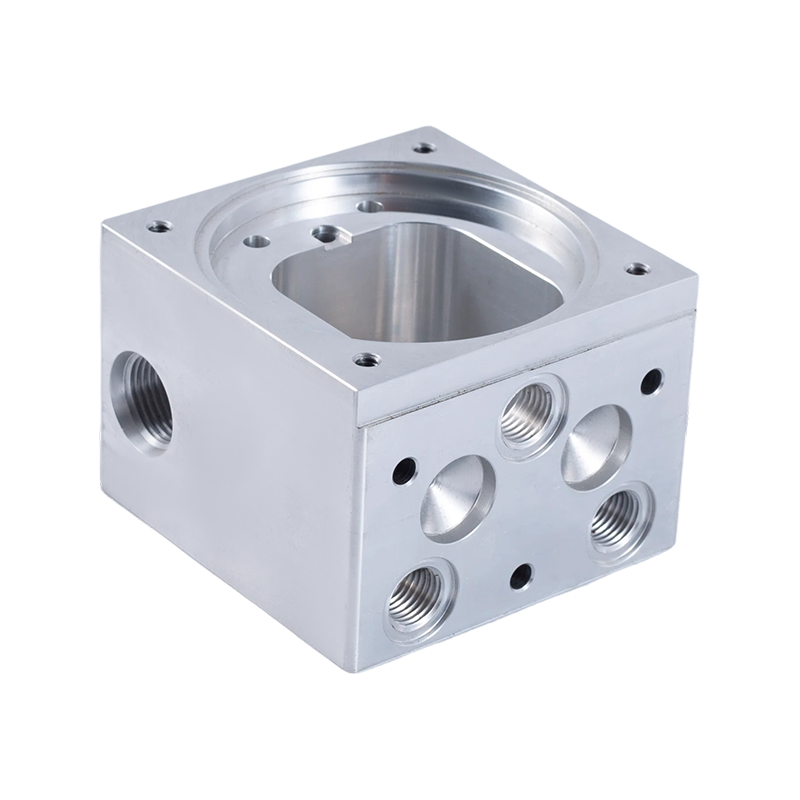
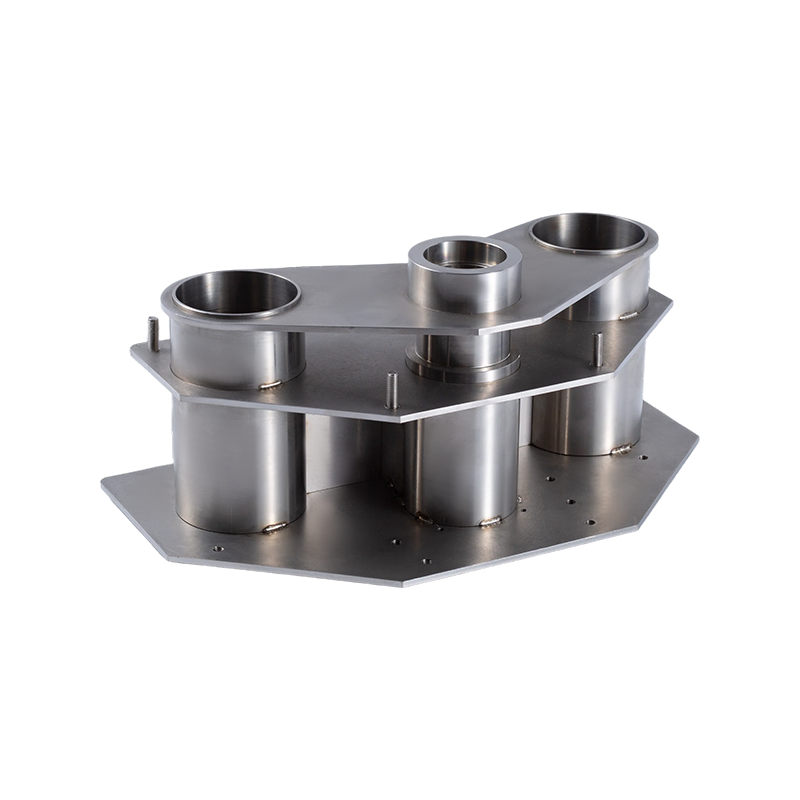
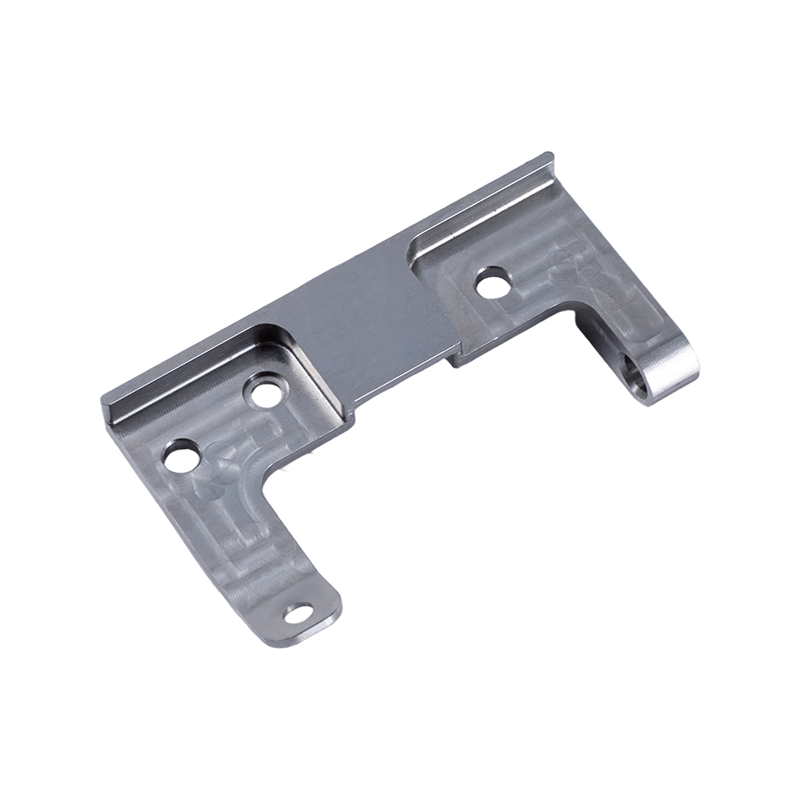
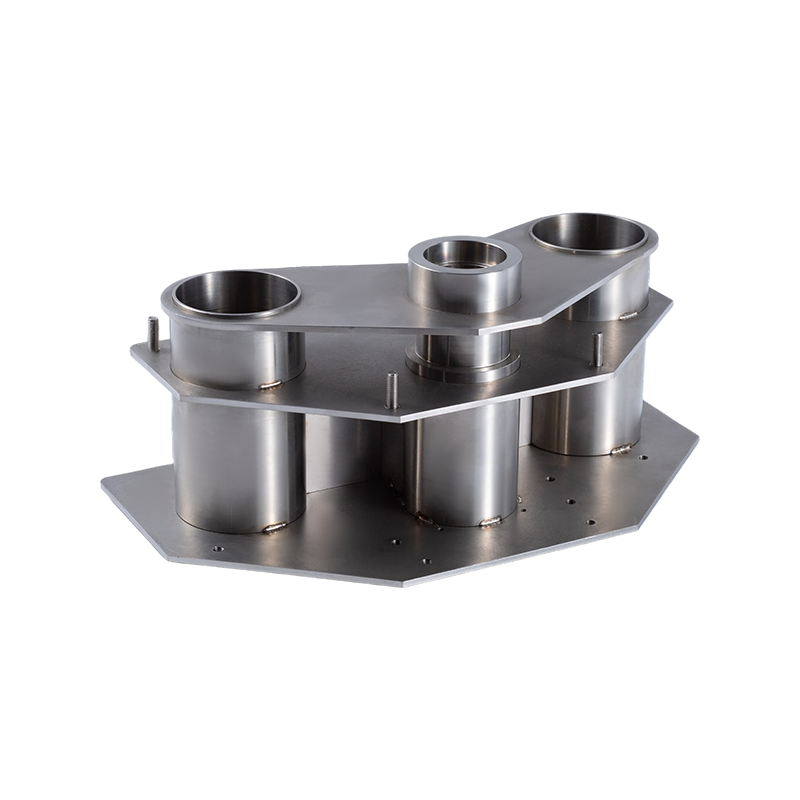
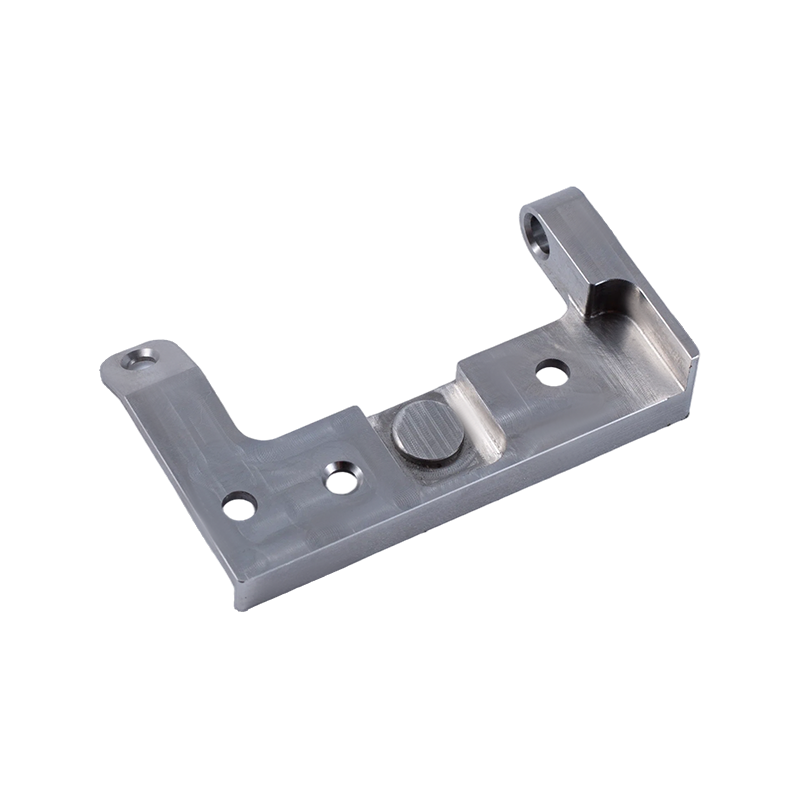


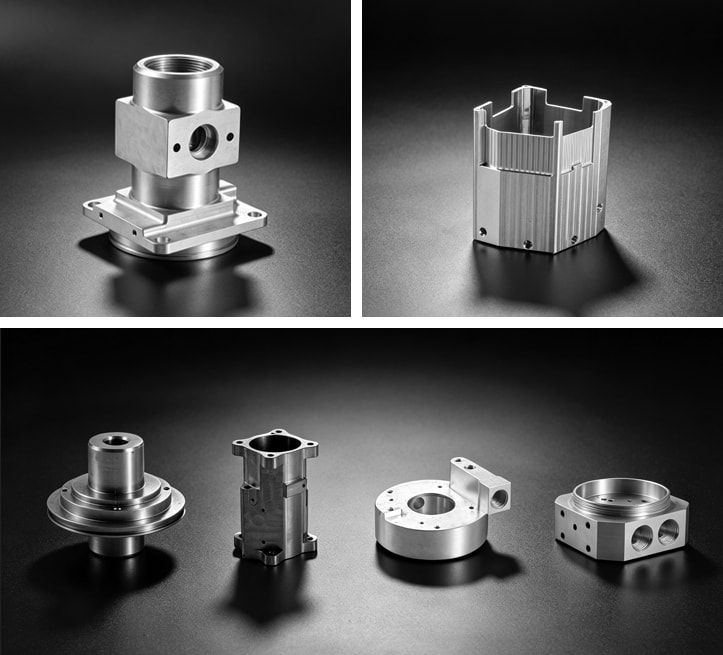
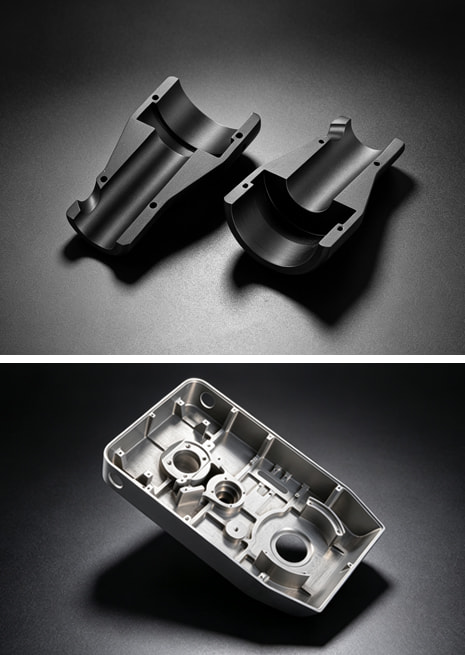

Precision Housings & Enclosures from Suzhou Miaocheng
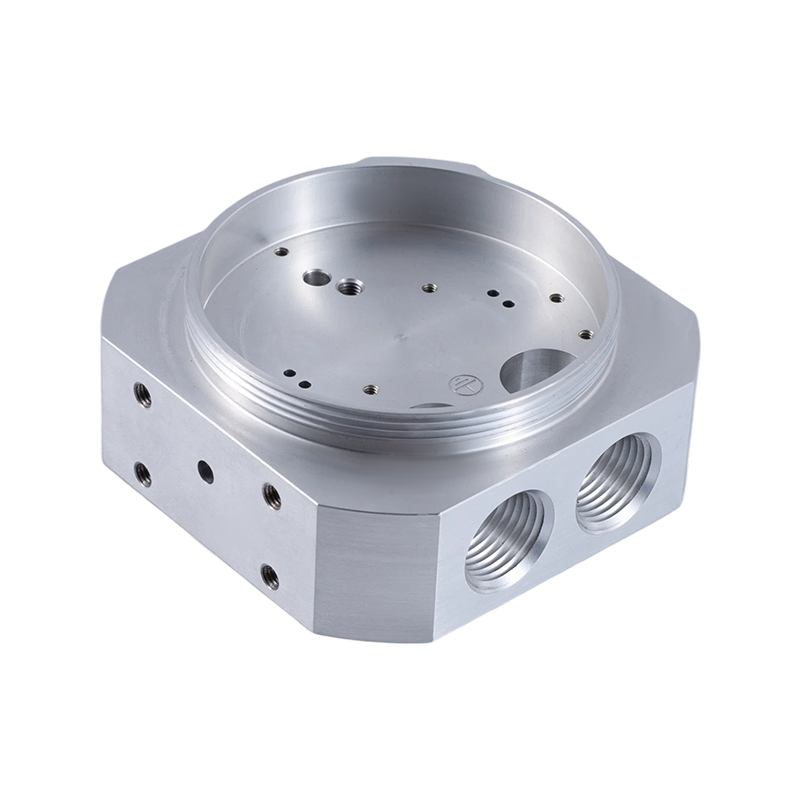
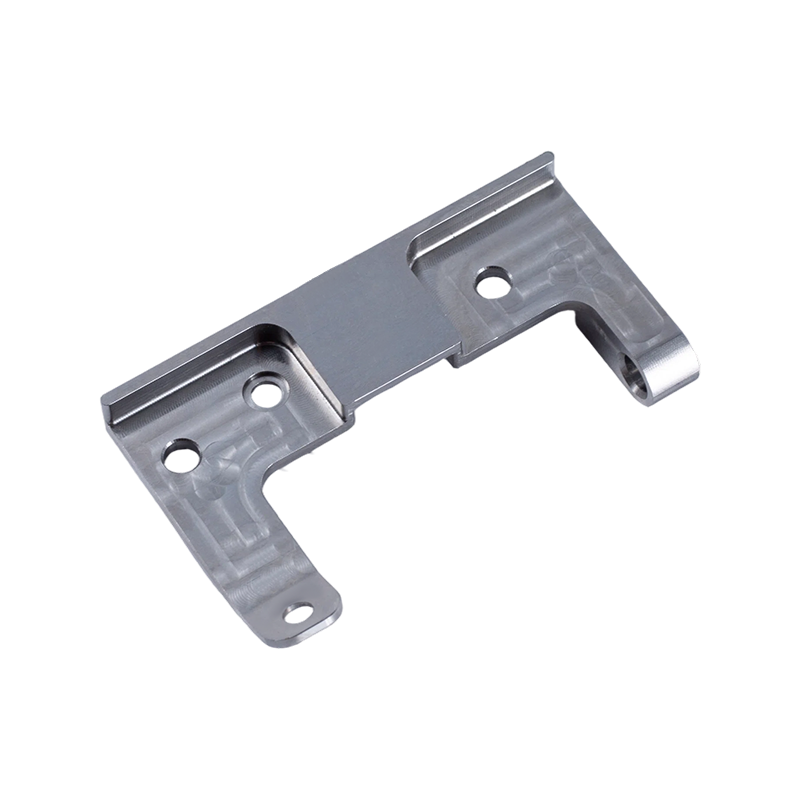
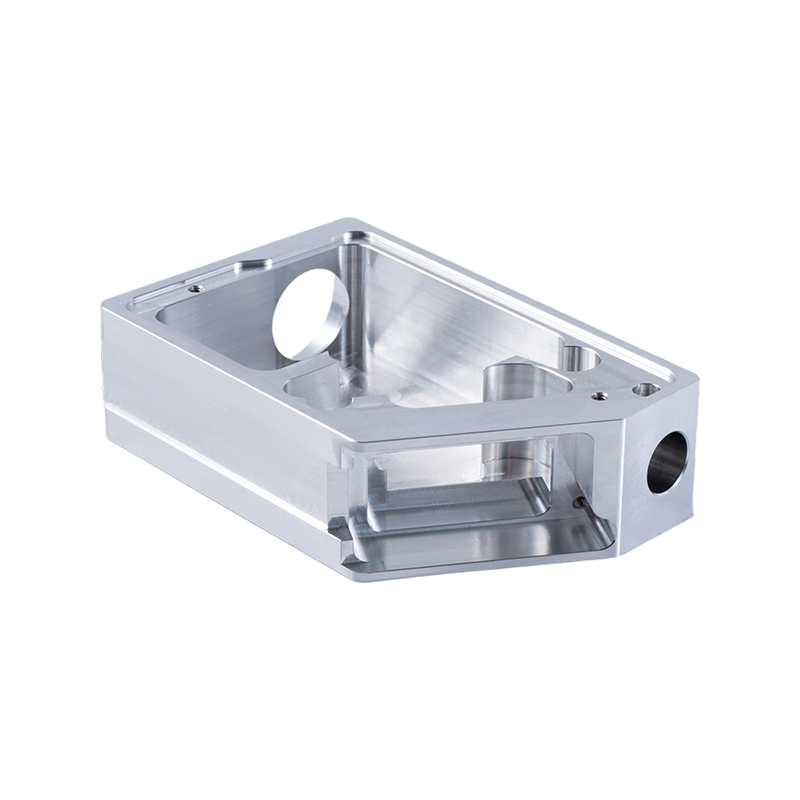
Precision Housings & Enclosures is where Suzhou Miaocheng Precision Machinery Co., Ltd. applies multi-axis CNC milling to components that protect, house or structurally support precision equipment. As a China-based Precision Housings & Enclosures manufacturer, we machine custom aluminum enclosures, sensor housings, RF cavities, mounting bases, brackets, tooling base plates and multi-hole connector plates from customer drawings.
The common requirement in this category is not simply a box or cover. It is a machined body with controlled datum surfaces, accurate hole positions and predictable assembly behavior. These parts sit under the CNC Milling Parts range, and most are non-standard components designed around a specific PCB, sensor, lens, connector or mounting arrangement.
Product Range on the category
All parts shown in this category are produced on our 3-axis, 4-axis and 5-axis CNC machining centers. The table below reflects the product families we supply and the typical machining focus for each.
| Product family | Typical role | Machining focus |
|---|---|---|
| Precision Aluminum Instrument Enclosure | Enclosure for instruments, electronics and panel-mounted assemblies | Flat mating faces, panel cutouts, threaded holes, edge and corner control |
| Precision Sensor Housing | Protective body that positions and aligns a sensing element | Mounting datums, bore alignment, sealing grooves, wall stability |
| 5G Communication RF Cavity | Cavity body for RF and communication hardware | Internal cavity dimensions, hole positions, surface consistency |
| Heavy-Duty Equipment Mounting Base | Structural base for heavier assemblies or line equipment | Base flatness, rigidity, mounting hole patterns |
| High-Rigidity Mounting Bracket | Stiff load path between equipment and supporting structure | Datum surfaces, positional tolerance, section stiffness |
| Inspection & Positioning Tooling Base Plate | Reference plate for inspection fixtures and positioning tooling | Grid hole patterns, flatness, parallelism between datum faces |
| Multi-Hole Structural Connector Plate | Structural interface connecting multiple components or subassemblies | Multi-hole position, perpendicularity, consistent spacing |
Related components such as fluid control bodies, pneumatic valve bodies and aerospace structural parts are also produced with the same milling and inspection discipline.
Application Fit Across Industries
Housings and enclosures are used wherever electronics, sensors, optical modules, RF components or mechanical assemblies require a dimensionally stable body. The industries we support include medical equipment, photovoltaic new energy, automotive components, aerospace, semiconductors, food machinery and environmental protection equipment.
- Medical equipment: instrument enclosures and sensor housings with clean, burr-free edges and repeatable mounting features.
- New energy and photovoltaic: aluminum housings and mounting bases that need light weight and corrosion resistance.
- Automotive and aerospace: structural brackets and mounting parts with strict datum and tolerance requirements.
- 5G and communication hardware: RF cavities and connector plates whose internal geometry affects signal path and assembly fit.
- Automation and semiconductor equipment: tooling base plates, positioning plates and equipment mounting bases with high flatness and hole accuracy.
In every case, the housing or enclosure becomes the reference for other components. That is why we treat machining datums, hole patterns and mating faces as the core of the process plan.
Machining Considerations That Affect Feasibility and Cost
Precision housings often contain features that are simple to visualize but demanding to machine. We evaluate the following geometry before choosing tooling and cutting strategy:
- Internal cavities and pocket depth: Tool access and chip evacuation decide whether a 3-axis, 4-axis or 5-axis approach is appropriate.
- Wall thickness: Thin walls and asymmetrical material removal can cause vibration or distortion if clamping and tool paths are not planned carefully.
- Internal corner radii: Machined corners follow the cutter radius. If the design allows a larger radius, cycle time and tool cost are easier to control.
- Threads and inserts: Thread depth, perpendicularity and position must be clearly specified when tapped holes are on angled or nested faces.
- Sealing grooves and mating faces: Flatness and surface finish on these features affect sealing performance and assembly.
- Hole patterns and datums: Positional tolerance is maintained by stable fixturing and a consistent datum structure.
For complex housings, 5-axis positioning can reduce the number of setups and improve the relationship between features on different faces. The final decision is based on the drawing, tolerances and quantity.
Materials and Workpiece Planning
Aluminum is the primary material in this category because it is lightweight, naturally corrosion-resistant and easy to machine, while offering good thermal and electrical behavior for enclosures and RF cavities. It is also compatible with a wide range of surface finishes.
Material grade and temper affect cutting data, burr formation, anodizing consistency and dimensional stability. We use the material specification in your drawing as the basis for tool selection, feed rate and finishing strategy. If an enclosure is planned in stainless steel, copper alloy or another material, the geometry and application requirements decide the machining approach; the same milling and inspection disciplines apply.
Quality Control and Inspection Approach
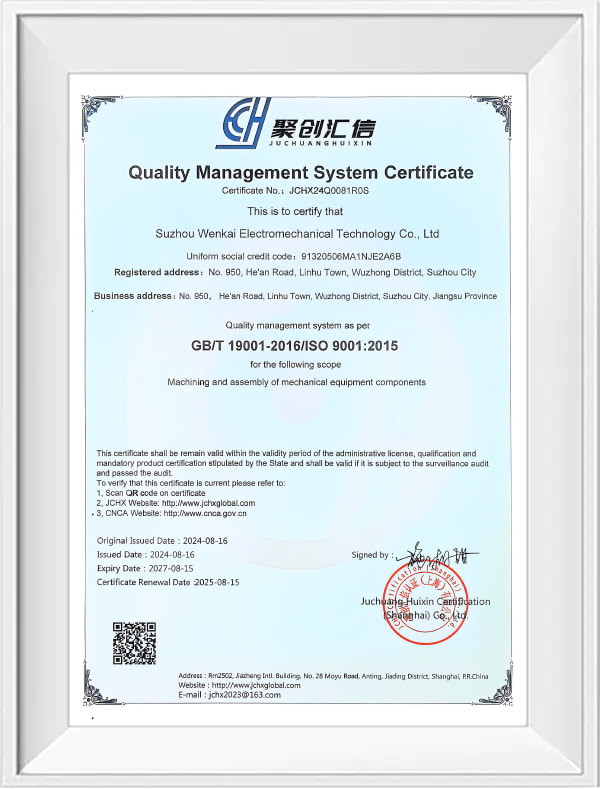
Our quality system is certified to ISO 9001:2015 and supported by three CMMs, precision height gauges and video measuring machines. Inspection runs from incoming material verification through in-process checks to final outgoing inspection.
For housings and enclosures, inspection attention is concentrated on datum-referenced dimensions:
- Mounting face flatness and parallelism
- Bore and counterbore position relative to the main datum
- Thread location, depth and quality
- Cavity depth and pocket dimensions
- Sealing groove position and surface condition
- Hole pattern spacing and perpendicularity
This approach gives you predictable component behavior during assembly and operation, not only accurate features in the inspection report.
Prototype, Small-Batch and Serial Production
We support prototype quantities and small-batch production through our Small-Batch Prototype Machining and Custom CNC Machining programs. The first parts are used to verify the process before serial quantities are produced.
Because the company also handles precision component processing and module assembly, we can coordinate housing machining with the assembly and testing required to deliver a more complete module.
Information We Use to Configure Your Solution
For a precise quotation and process plan, send the following:
- 2D drawing or 3D CAD file, with revision status
- Material grade and material condition
- Required quantity and target delivery schedule
- Critical dimensions, tolerances and surface finish requirements
- Thread, insert, sealing or assembly specifications
- Surface treatment requirements such as anodizing, painting or coating
- Inspection or documentation requirements
Still developing the design? Send the current version. We will review the geometry, confirm which features are critical, and tell you what information should be finalized before production.
Frequently Asked Questions
What is a Precision Housings & Enclosures part in CNC milling?
It is a machined component that creates an enclosed or semi-enclosed space for electronics, sensors, RF modules, instruments or mechanical assemblies, while also providing mounting datums, hole patterns and structural rigidity. Examples include precision aluminum instrument enclosures, sensor housings, 5G communication RF cavities and equipment mounting bases.
Can you machine housings with complex internal cavities?
Yes. Our 3-axis, 4-axis and 5-axis CNC machining centers handle multi-sided cavity work and reduce setups for complex housings. Tool access, chip evacuation and internal corner radii are considered in the CAM plan, so the drawing should specify any minimum radius or surface requirement that affects the function.
Do you produce prototypes or small batches for new enclosure designs?
Yes. We support small-batch prototype machining and custom machining from drawings or samples. This allows the machining route, fixture design and inspection points to be validated before larger production quantities are started.
How do you inspect machined housings and enclosures?
Our ISO 9001:2015 quality system includes three CMMs, precision height gauges and video measuring machines. Inspection covers incoming material, in-process dimensions and final outgoing characteristics, with emphasis on datum faces, hole positions, cavity depths, flatness and thread quality.
What should I submit with an enclosure RFQ?
Send a 2D or 3D CAD file, material grade, quantity, critical tolerances, surface treatment and any thread, insert, assembly or inspection requirements. If some details are still open, the current drawing is enough to start a technical review.



