English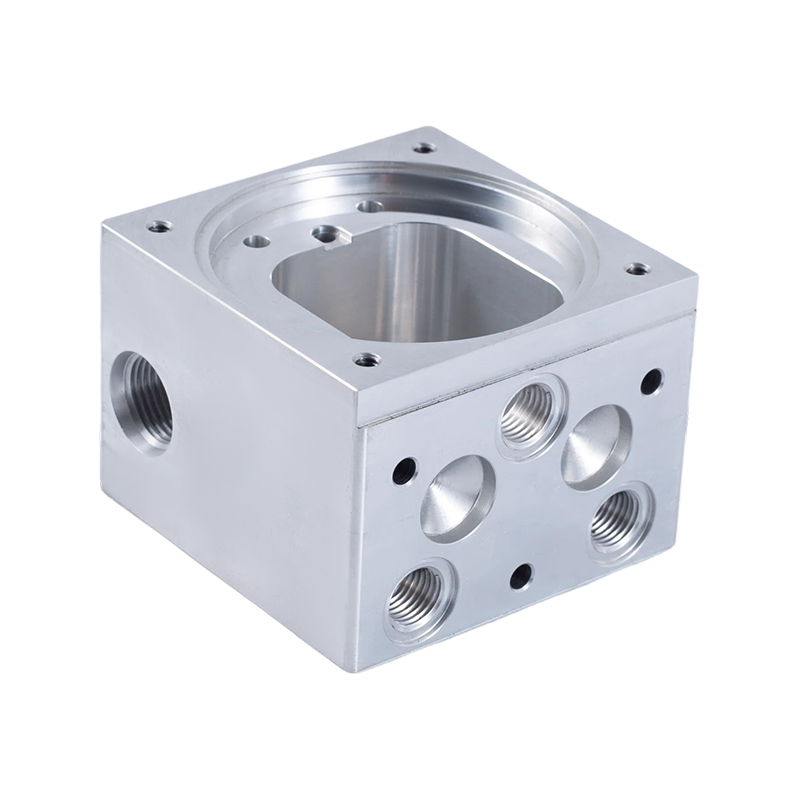
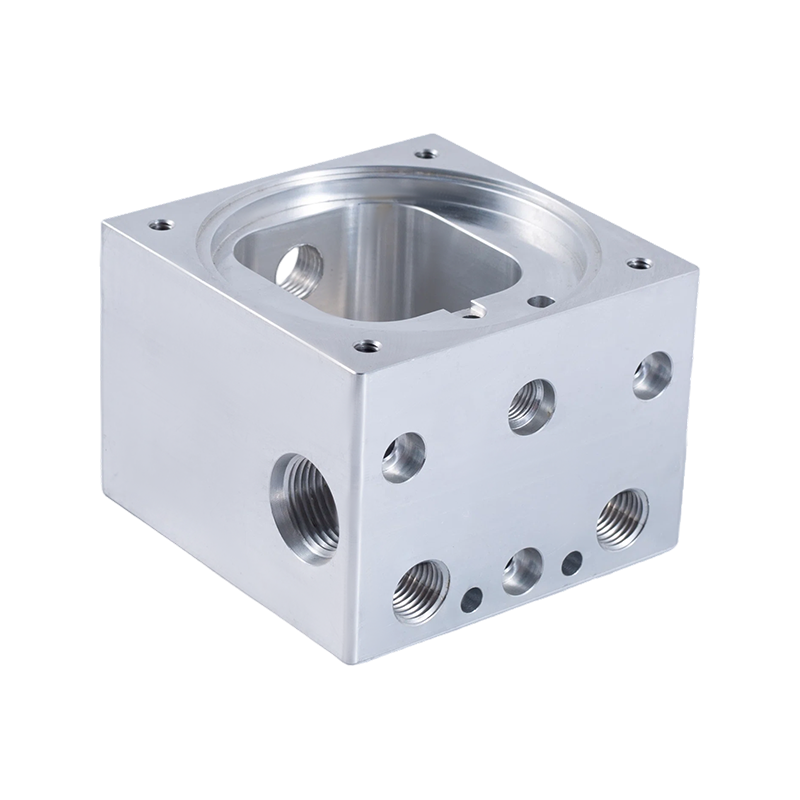
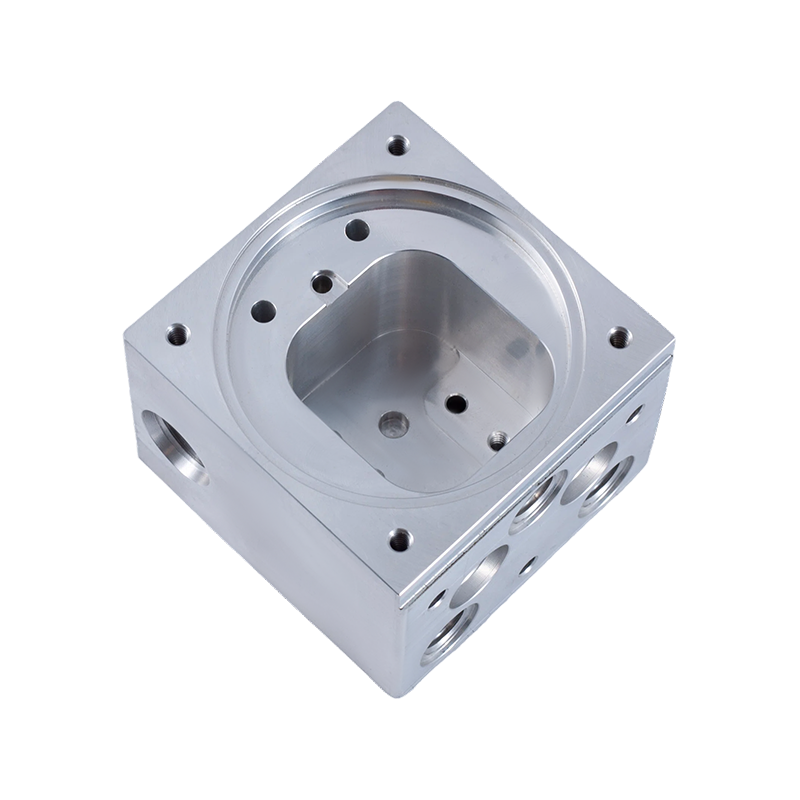
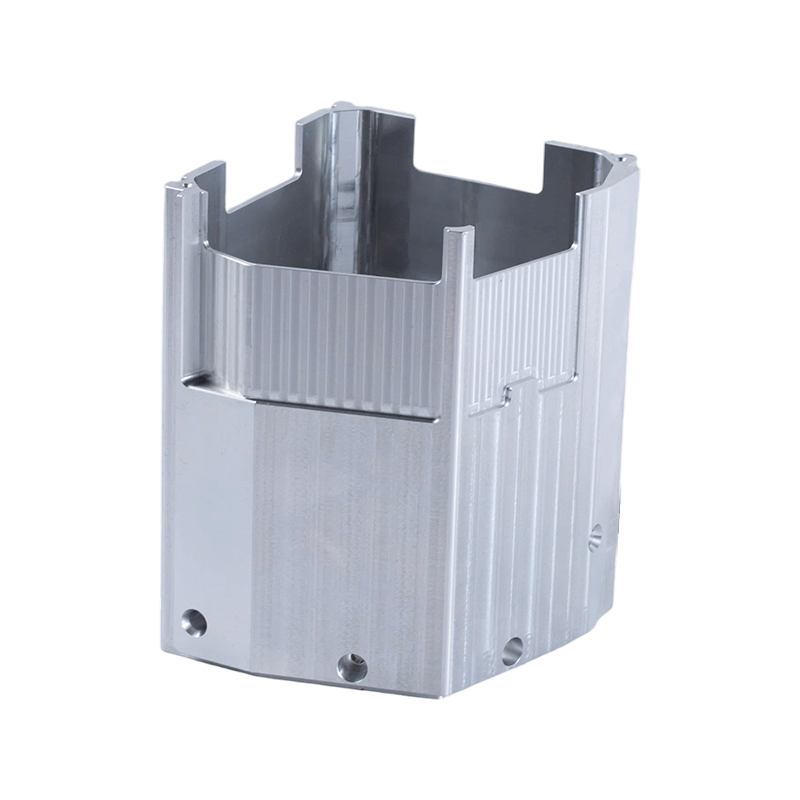
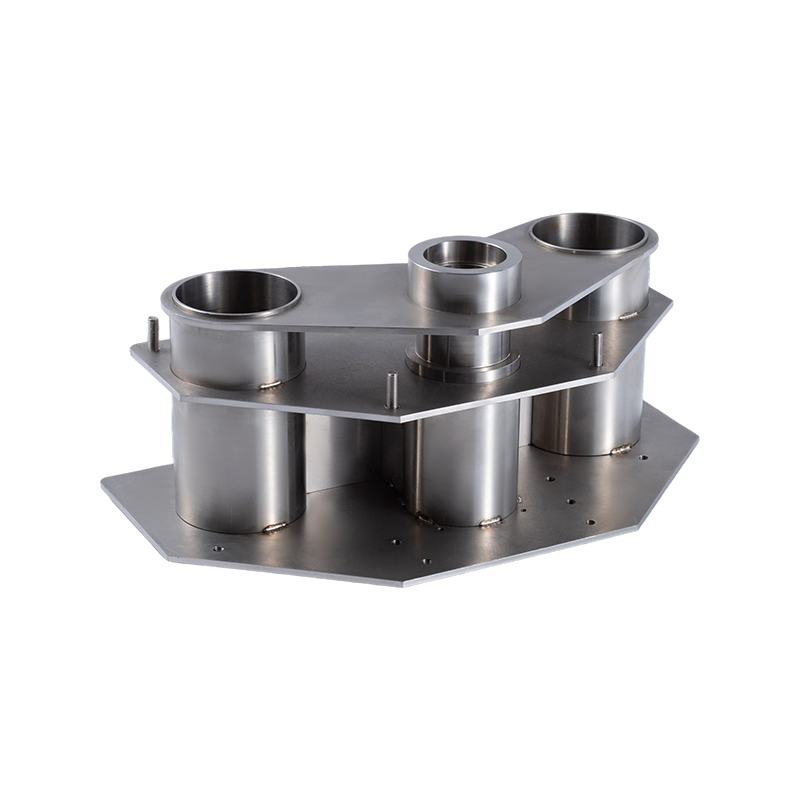
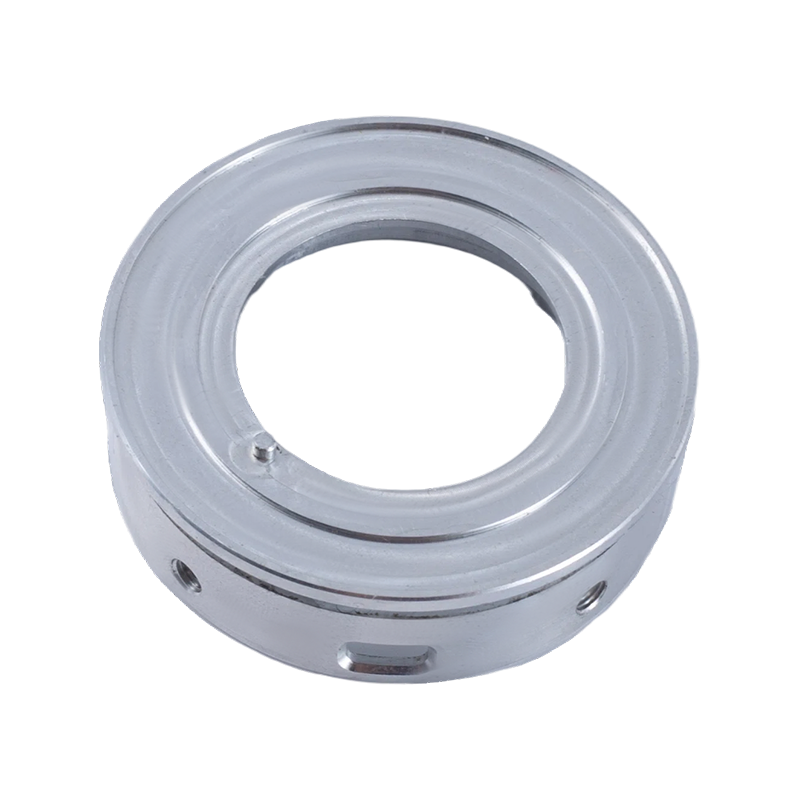
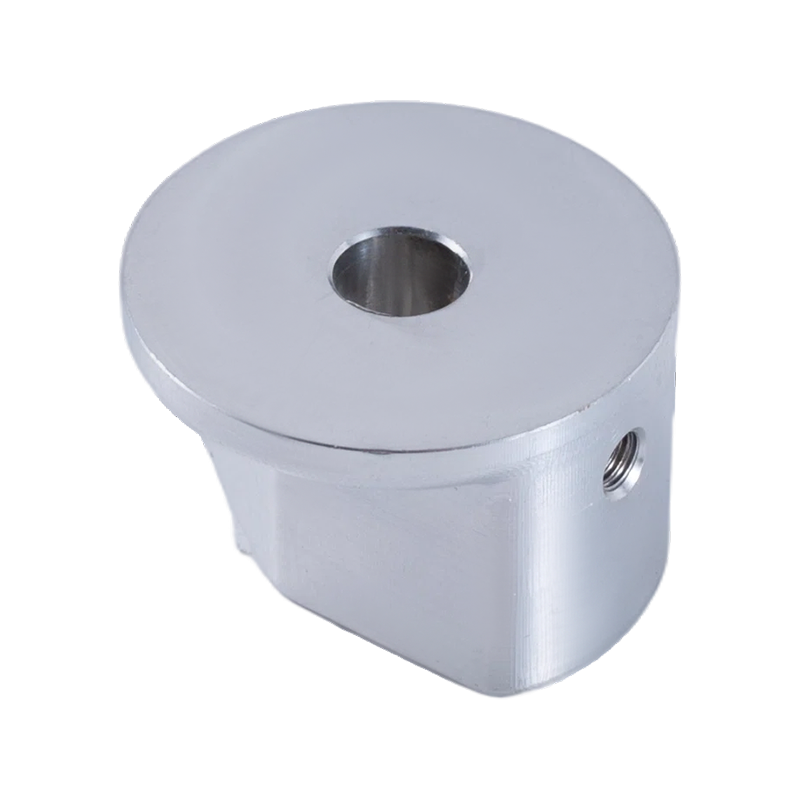
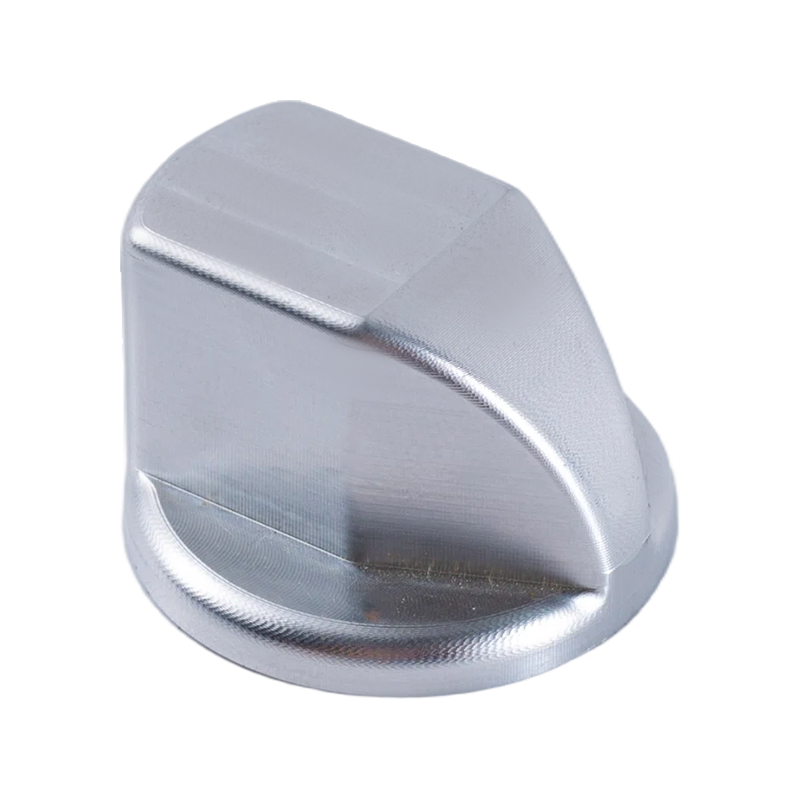
The machining quality of an RF cavity directly determines a communication device's signal transmission quality — especially sensitive in high-frequency, high-speed applications like 5G base stations, where even barely visible chatter marks or dimensional deviation on the cavity walls can increase signal loss or degrade shielding, affecting the entire module's performance. Multi-cavity, multi-step structures also demand high multi-axis coordination accuracy, and deep-cavity milling can easily leave chatter marks that often aren't caught until the testing stage, making rework costly.