English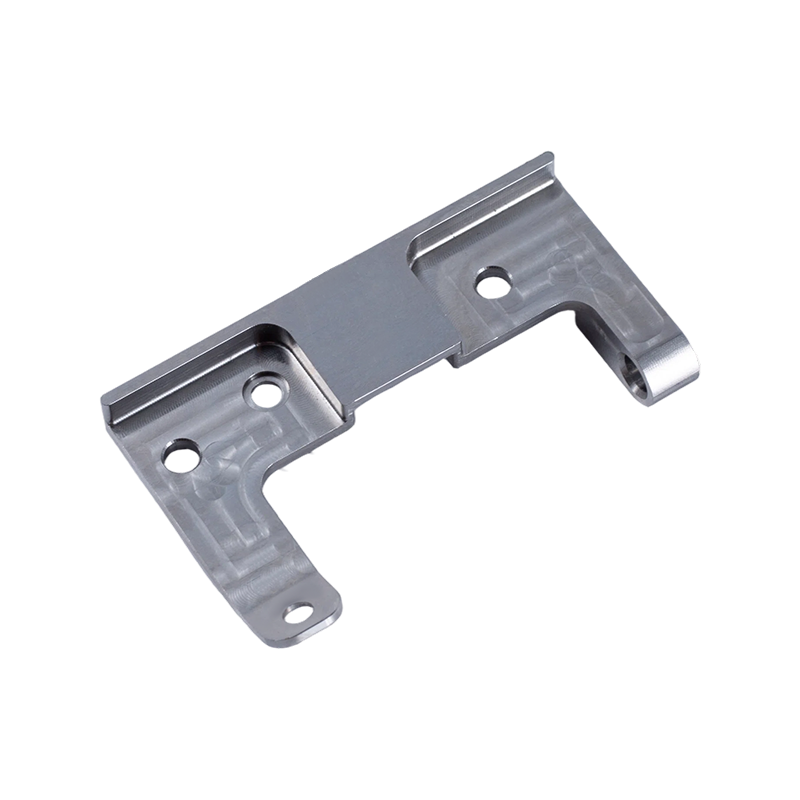
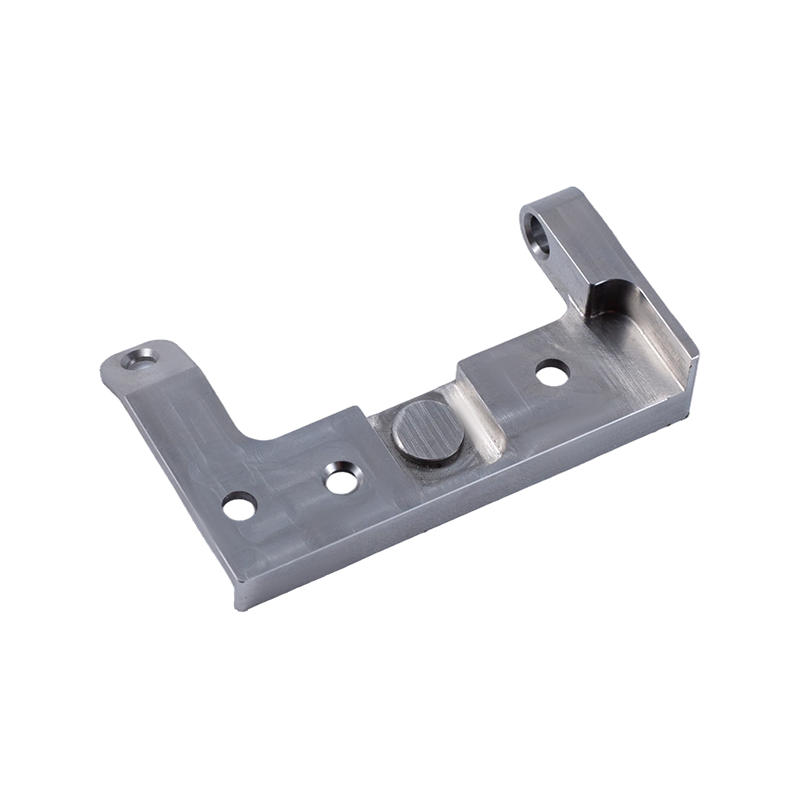
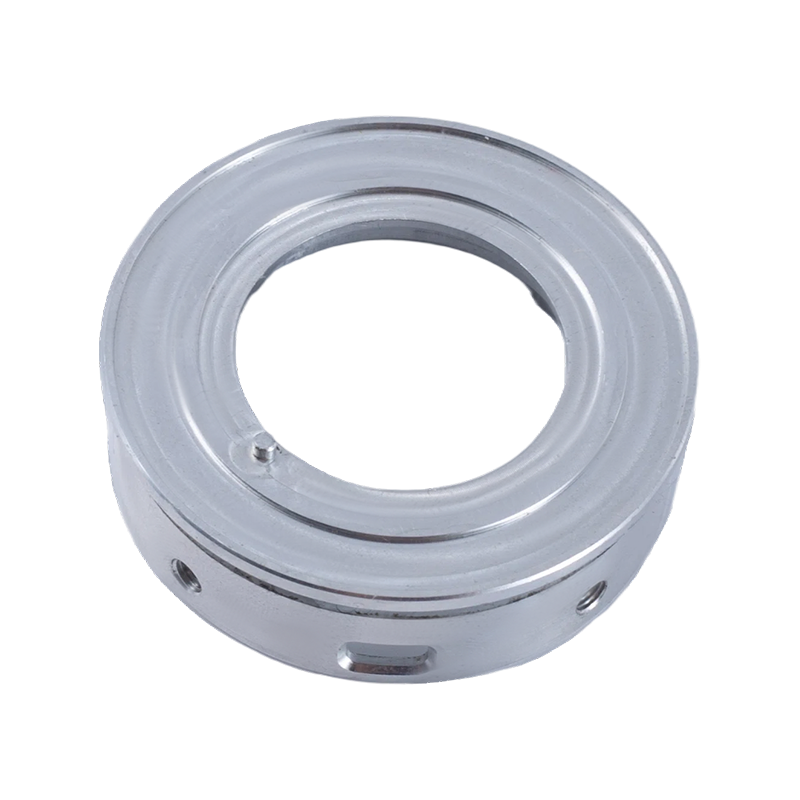
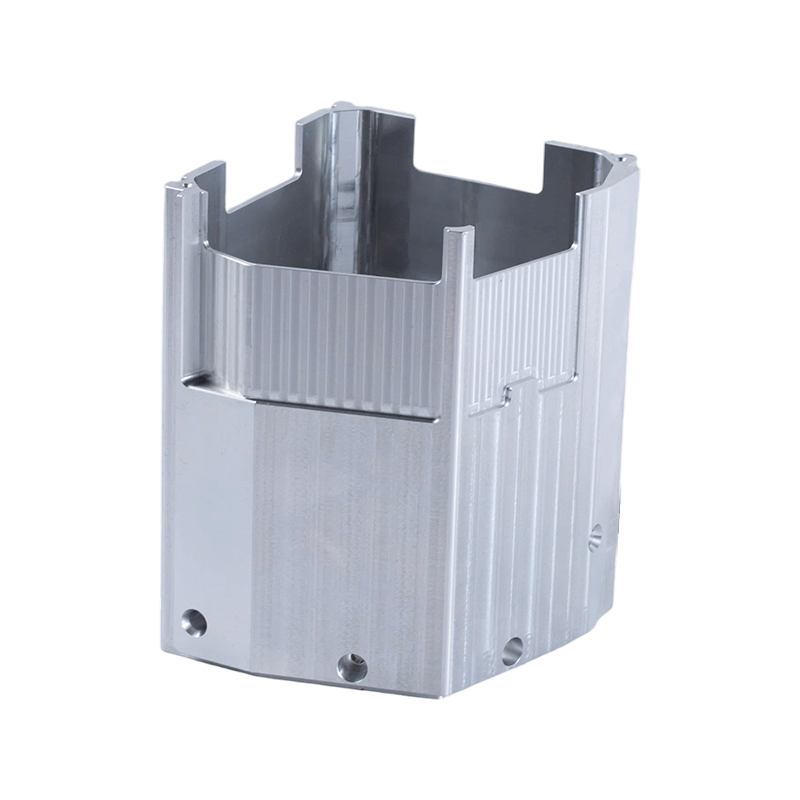
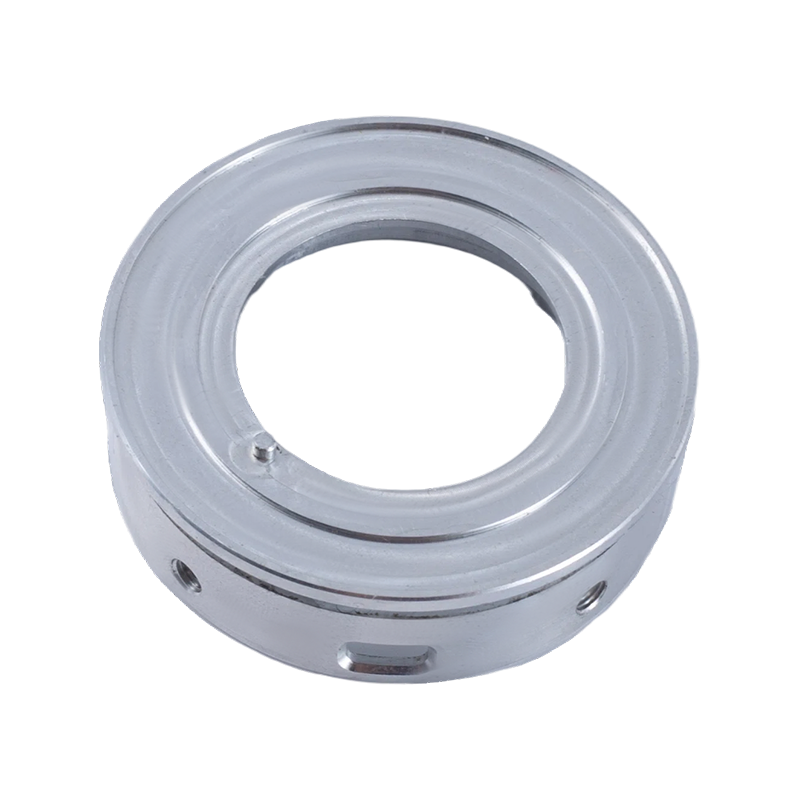
The aerospace industry is far more weight-sensitive than most others — every gram saved can translate into improved fuel efficiency or increased payload capacity, which is the core value proposition of lightweight alloy structural components. But weight reduction can't come at the expense of structural strength, so these parts often rely on complex hollowed-out or thin-wall designs to find the optimal balance — geometry that depends heavily on multi-axis milling equipment, since standard three-axis machines struggle to form it in one setup. The materials themselves, such as aluminum-lithium alloys and titanium, are also considerably harder and costlier to machine than conventional metals.