English
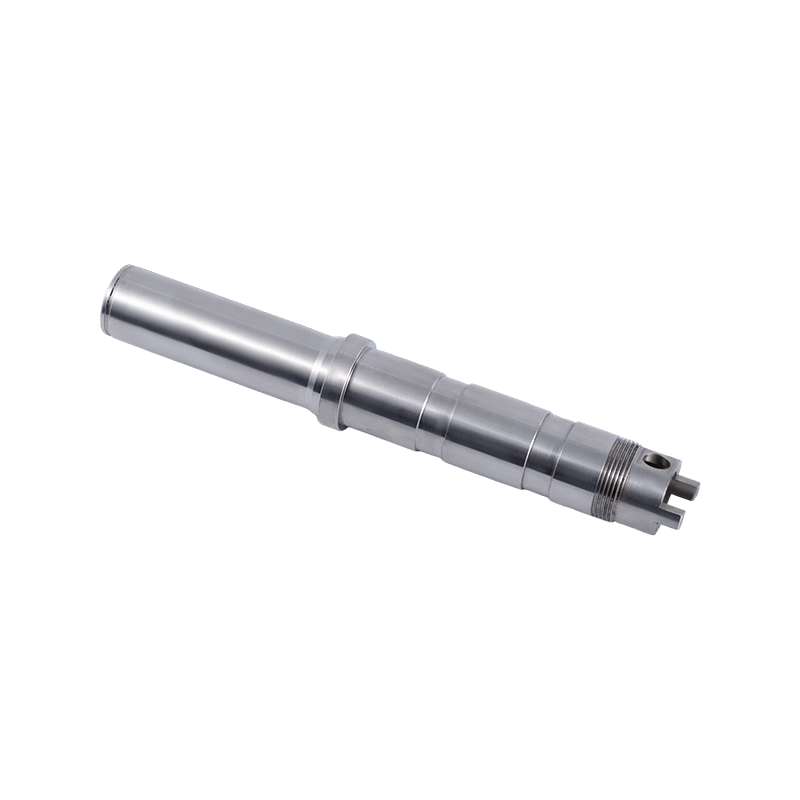
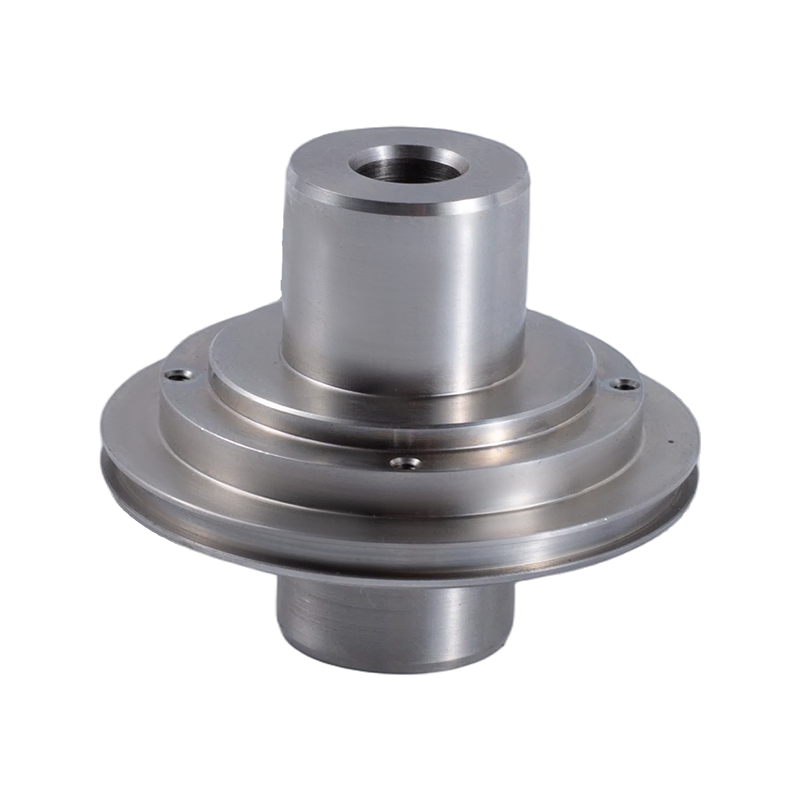
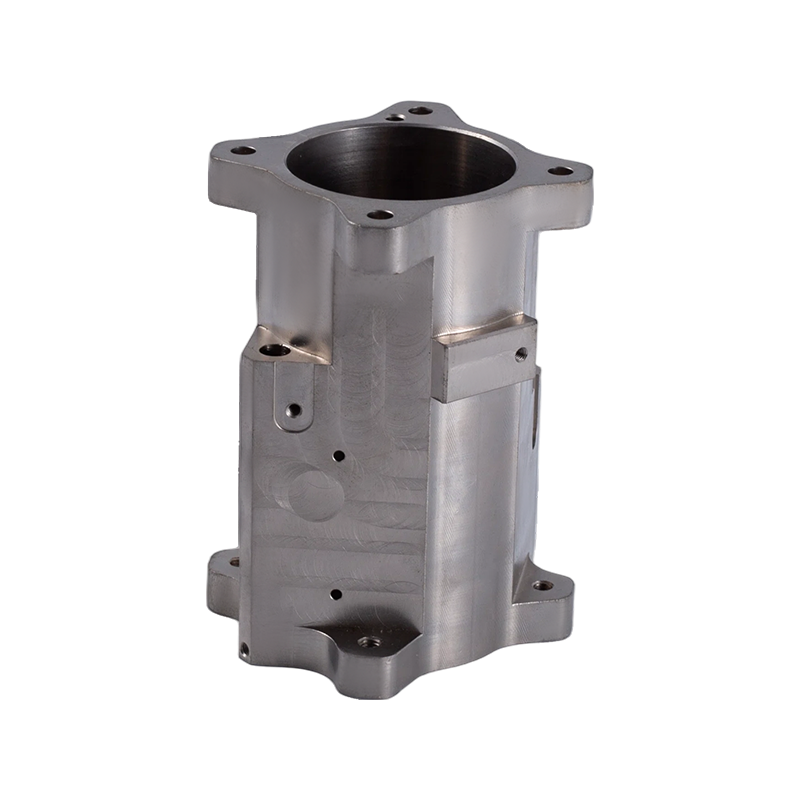
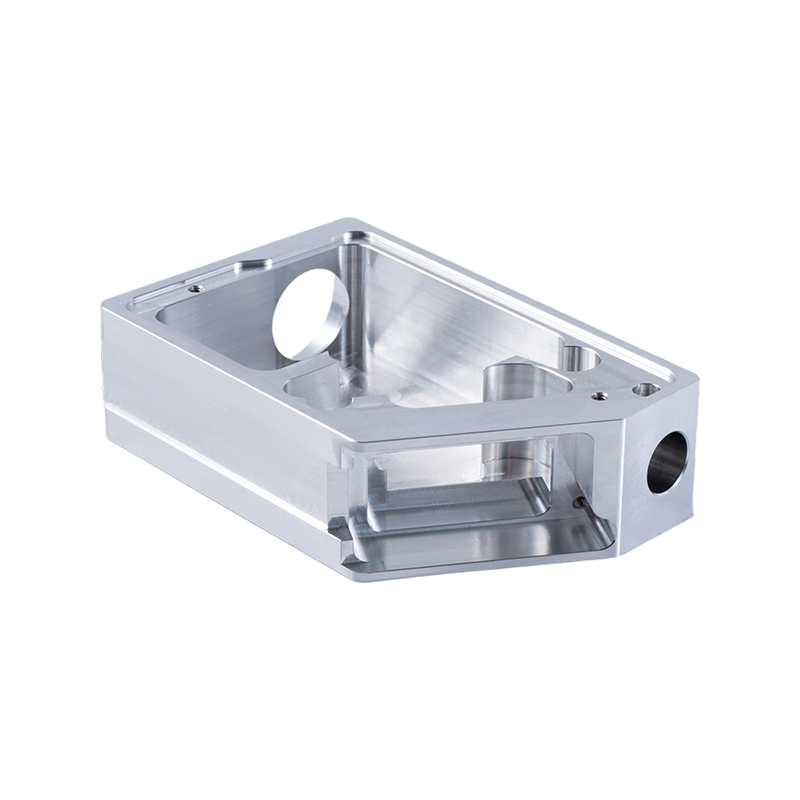
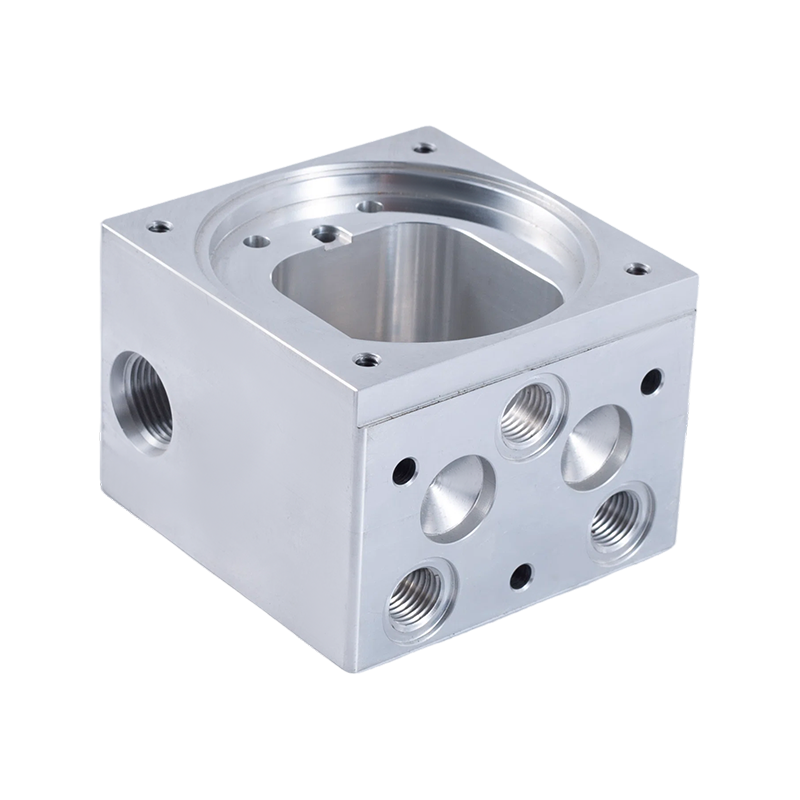
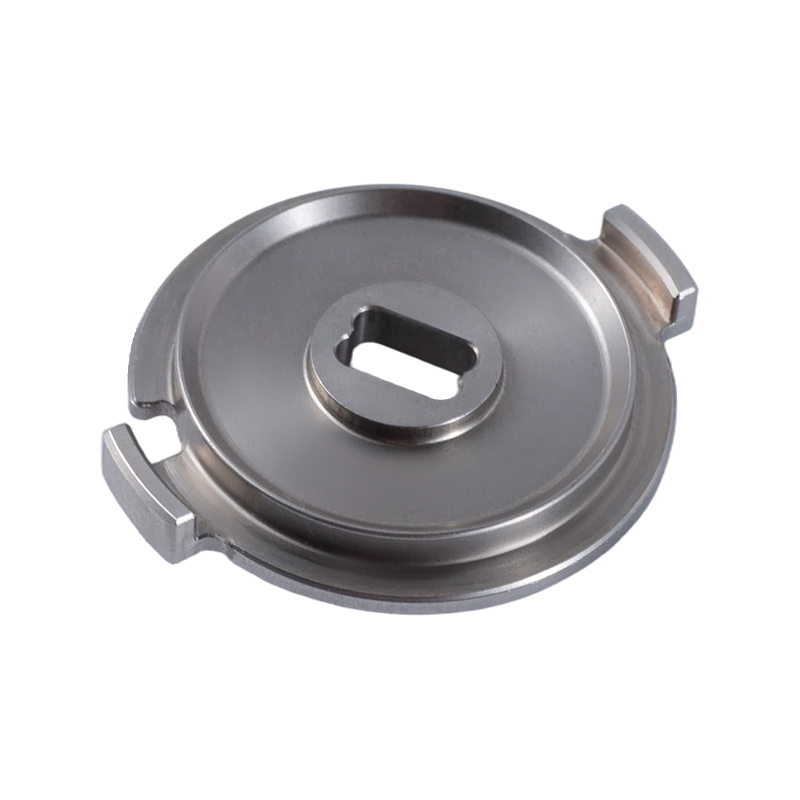
 In simple terms, precision milling parts are components manufactured through high-precision milling processes that meet extremely stringent requirements for dimensional accuracy and surface quality.
To understand this concept, let's break it down into two aspects: "precision" and "milling."
Milling is a fundamental subtractive manufacturing process. It works like a rotating cutting tool (such as an end mill) acting as a "sculpting knife," gradually removing excess material from a solid block to ultimately shape it into the desired three-dimensional form. Many of the metal parts you encounter daily—especially those with complex curved surfaces or grooves—are likely produced through milling.
Precision milling, on the other hand, takes this process to the next level by achieving accuracy at the micron level. One micron (μm) equals one-thousandth of a millimeter—far thinner than a human hair. This means that both the dimensional tolerances and surface finishes of the finished parts are controlled to exceptionally high standards.
Key Characteristics
What sets precision milling parts apart as "precision" components includes:
-
Extremely high dimensional and form accuracy – The final dimensions and shapes of the parts deviate minimally from the design blueprints (very tight tolerances). Depending on the grade, accuracy can reach 10 microns, 5 microns, or even 0.01 microns in ultra-precision machining.
-
Superior surface quality – The machined surfaces are very smooth, sometimes even achieving a "mirror-like" finish. For instance, the surface roughness (Ra) of precision milled parts can be less than 0.15 microns, and state-of-the-art techniques can achieve Ra < 3 nanometers, which is comparable to a polished finish.
-
Ability to machine complex geometries – This is precisely where milling excels. Unlike turning, which is suitable for rotational parts (such as shafts and discs), milling is highly effective for manufacturing components with complex curved surfaces, irregular contours, and intricate features.
Typical Applications
Due to these attributes, precision milling parts play a critical role in numerous high-demand industries, including:
-
Aerospace – Turbine blades for aircraft engines, airframe structural components, etc., which must operate under extreme conditions with ultra-high precision and reliability.
-
Medical Devices – Surgical instruments, orthopedic implants, etc., where patient safety depends on impeccable dimensional accuracy and surface finish.
-
Automotive Industry – Key components for high-performance engines, transmissions, and chassis systems.
-
Precision Molds & Dies – Molds used to manufacture various plastic products and die-cast parts, where the mold accuracy directly determines the quality of the final products.
-
Semiconductor & Optics – Precision components for chip manufacturing equipment, or optical mirrors with precisely defined geometric shapes.
For a company like Suzhou Miaocheng Precision Machinery Co., Ltd., which is equipped with professional inspection instruments such as CMM (Coordinate Measuring Machines), it is through the rigorous control of these micron-level details that every finished product meets the definition of "precision."